
Last updated November 24, 2026
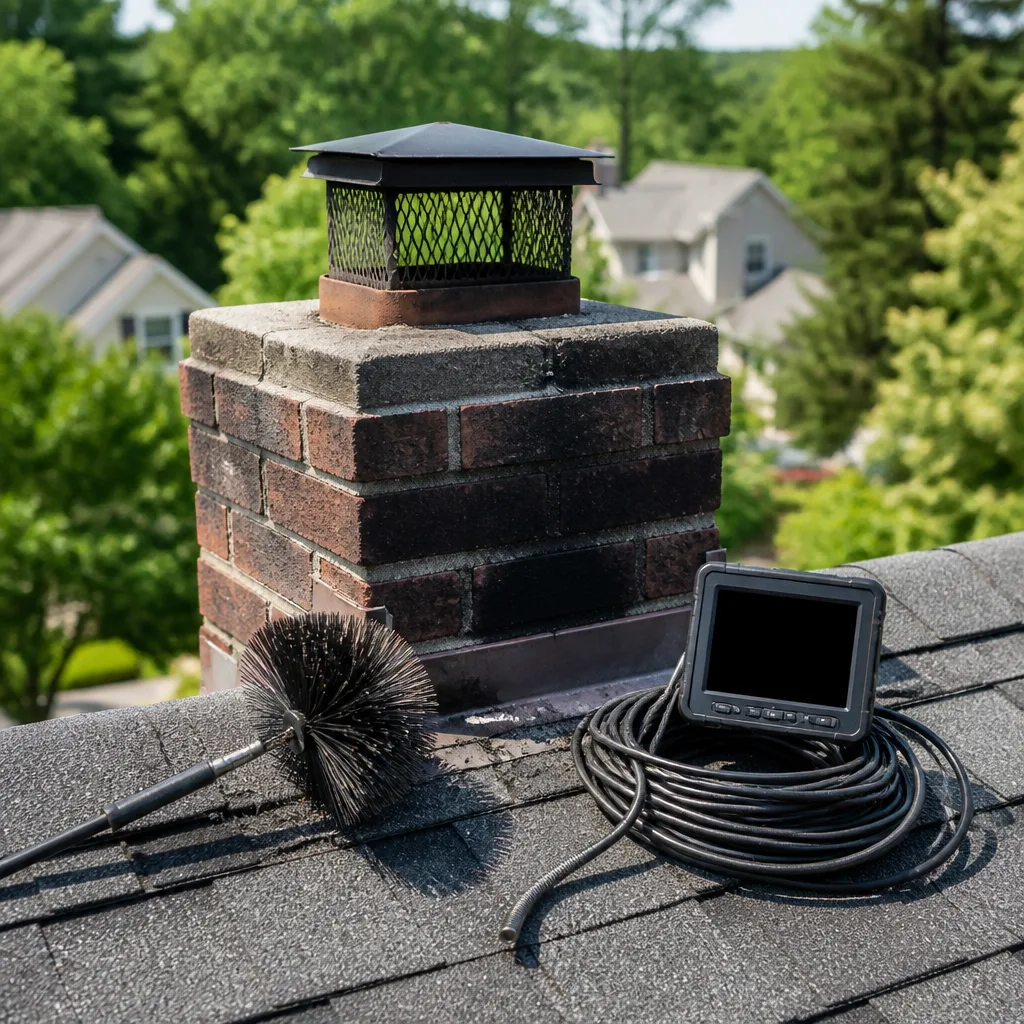 Sweep & inspection
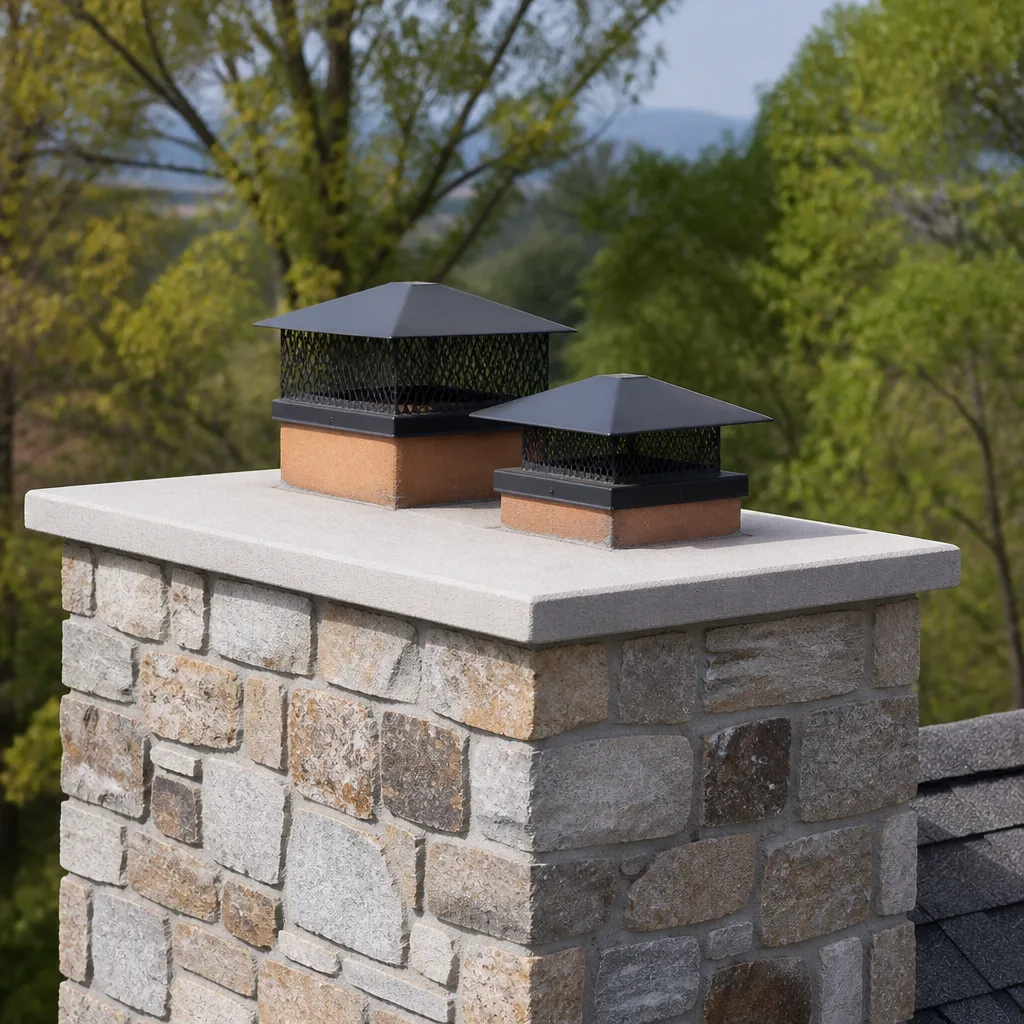 Caps & crowns
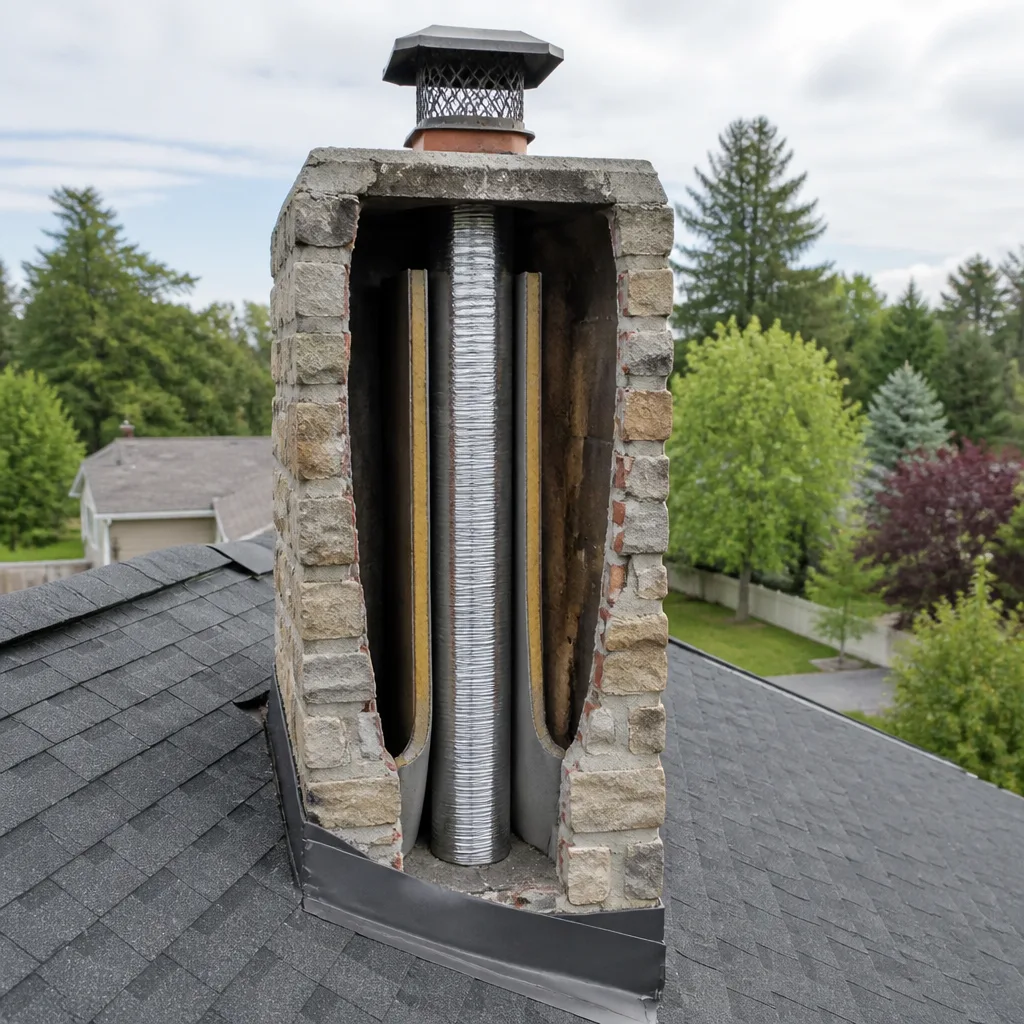 Flue relining
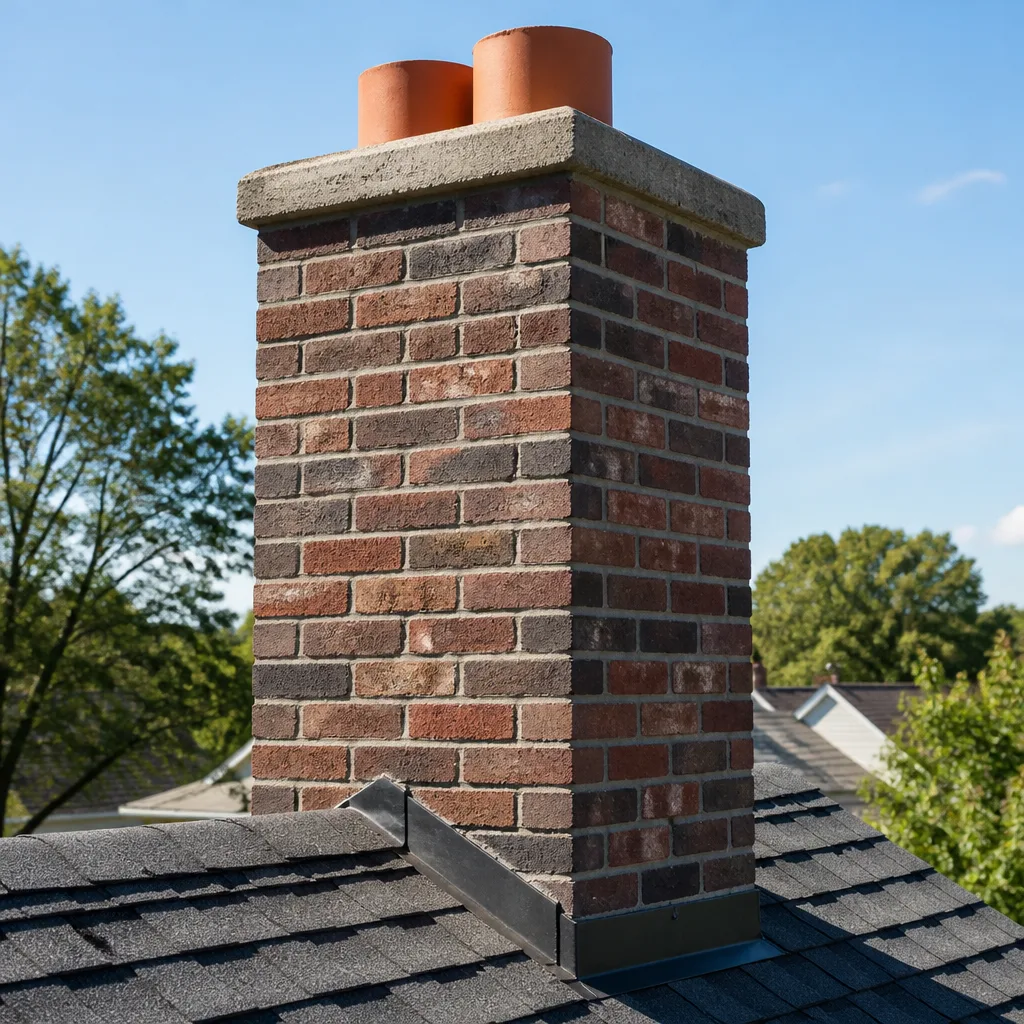 Masonry repair
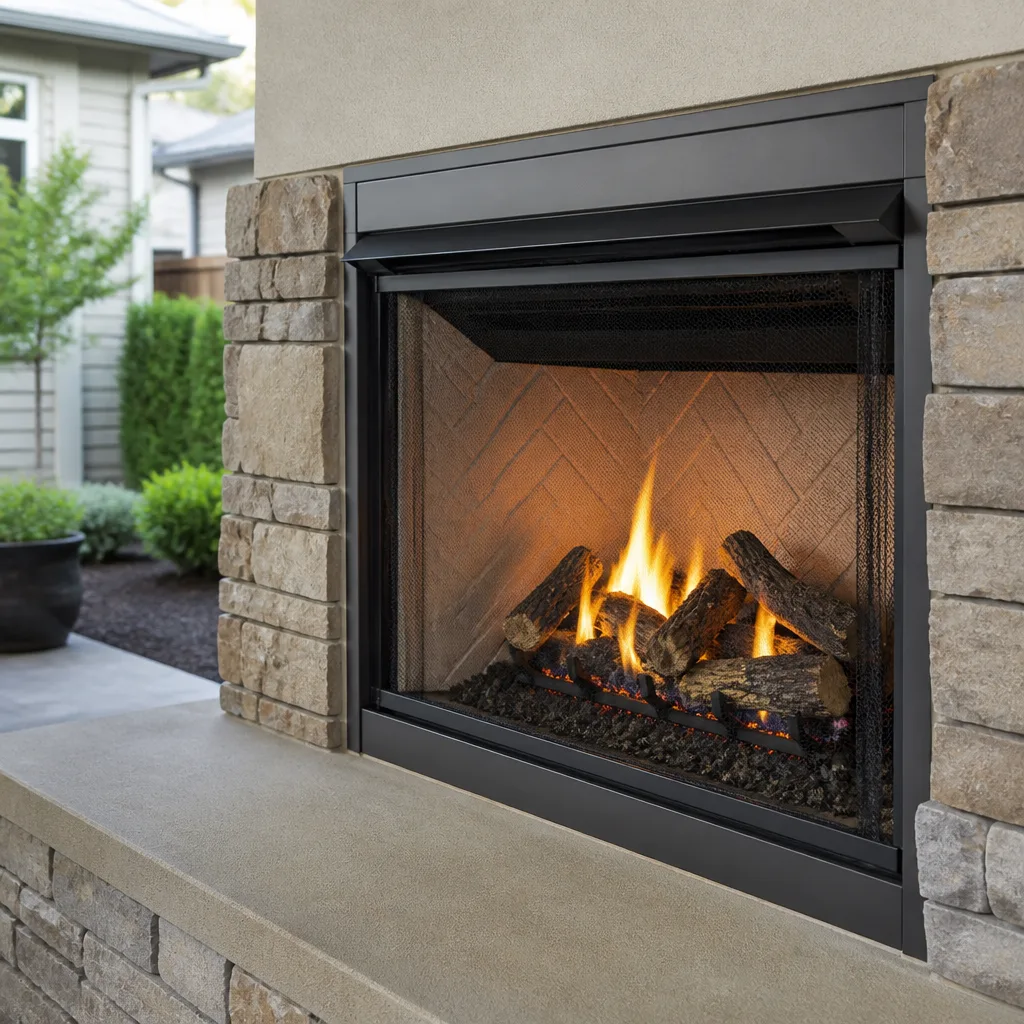 Gas fireplace service
Level 1 sweep and inspection to the NFPA 211 annual standard - flue, crown, cap, and flashing checked and photographed
Chimney sweep logs do not sweep chimneys. They loosen some creosote - which then falls where a brush and vacuum still have to collect it.
Chimney Cleaning Permits, Codes & Inspections in Bountiful, UT: What You Need to Know
Most homeowners assume a chimney permit covers everything that happens inside the flue. It doesn’t. Cleaning a chimney is routine maintenance and needs no permit at all, but the repairs that cleaning often reveals – a cracked liner, a crumbling crown, a rebuilt firebox – usually do. That gap between maintenance and permitted work is where trouble starts. We’ve talked with enough Bountiful buyers and sellers to know that an unpermitted liner replacement can surface at the worst possible moment, usually during a home inspection or an insurance review. This guide draws the exact line: what needs a permit in Bountiful, how Utah’s building codes treat chimney work, what a Level 2 inspection documents, and how to verify a past repair before you buy.
Quick Answer
In Bountiful, routine chimney cleaning and sweeping do not require a building permit. Structural chimney work – liner replacement, crown rebuilding, firebox reconstruction, and major masonry repair – generally does, and that work should be inspected before it’s covered up. A Level 2 inspection is the standard documentation for a real estate transaction, and it’s your best protection against buying a home with unpermitted chimney work hiding in the flue.
Styles & brands we work with
- Sweep & inspection
- Caps & crowns
- Flue relining
- Masonry repair
- Gas fireplace service
Table of Contents
- Maintenance vs. Permitted Work: Where the Line Sits
- How Utah’s Adoption of the IRC Affects Your Chimney
- What a Level 2 Inspection Is and When It’s Required
- The Insurance Consequence of Unpermitted Chimney Work
- How to Verify a Completed Chimney Repair Before You Buy
- Why Bountiful’s Climate Makes Code Compliance Matter
- The Permit Process, Step by Step
- Permits and Chimneys in a Bountiful Real Estate Transaction
Maintenance vs. Permitted Work: Where the Line Sits
The clearest way to think about it: if the work removes creosote and keeps the existing system intact, it’s maintenance. If the work changes, replaces, or rebuilds part of the system, it’s construction – and construction needs a permit.
A standard chimney sweep in Bountiful falls firmly on the maintenance side. A technician brushes and vacuums the flue, clears the smoke chamber and firebox, and hauls away the creosote and soot. No permit. No inspection. This is true whether it’s a wood-burning fireplace, a gas insert, or a pellet stove, and it’s true whether you’re cleaning annually or after a heavy burning season.
Where the line moves is the moment a defect is found. Creosote buildup is a maintenance issue. A cracked flue tile is a structural issue. Here’s how the split usually breaks down:
Generally classified as maintenance (no permit)
- Chimney sweeping and creosote removal
- Level 1 and Level 2 inspections
- Chimney cap installation or replacement (a cap is an accessory, not part of the structure)
- Minor flashing repair where the roofline isn’t altered
- Cleaning and servicing a gas fireplace or insert
Generally requiring a building permit
- Chimney liner replacement or relining
- Crown rebuilding or replacement
- Firebox reconstruction
- Masonry repair that affects structural integrity
- New chimney construction or significant height changes
- Changing the fuel type of an existing appliance (for example, converting a wood-burning fireplace to gas)
The gray zone is real, and this is where we’ve seen homeowners get caught. A small crack in the crown might be sealed as part of routine maintenance. A crown that’s lost most of its mortar and needs to be rebuilt is construction. When in doubt, the answer is the same: call Bountiful’s building department and ask. A two-minute phone conversation beats a closing-day surprise.
We handle chimney work start to finish, so when we find a defect during a sweep, we can tell you plainly which side of the line it falls on – and whether a permit applies.
How Utah’s Adoption of the IRC Affects Your Chimney
Utah builds to the International Residential Code, adopted statewide with local amendments. The IRC contains specific provisions for chimneys and vents – the chapters that govern clearances to combustibles, flue liner requirements, and the materials and thicknesses that are acceptable for masonry and prefabricated chimneys. In plain terms: your chimney was built to a code standard, and any repair has to meet that same standard to be code-compliant.
For Bountiful homeowners, the practical effects show up in a few places:
Clearance requirements
The IRC specifies minimum distances between the chimney structure and combustible materials like framing, sheathing, and insulation. When a chimney is repaired or a liner is installed, those clearances have to be maintained. Improper clearance is one of the most common causes of slow, hidden heat transfer into the wood frame – which can smolder for a long time before it’s noticed.
Liner requirements
The code requires a listed liner for the appliance it serves. A wood-burning fireplace needs a liner rated for wood. A gas appliance needs a liner rated for gas. When a liner is replaced, the new liner must be listed for the fuel type and installed per the manufacturer’s instructions. That’s why product selection matters – a professional-grade liner from a brand like DuraFlex or Olympia Chimney is designed to be installed in a code-compliant configuration, while a generic substitute may or may not carry the listing your inspection requires.
Flue resurfacing
Not every damaged flue needs a full liner replacement. Chimney repair sometimes means resurfacing the existing flue with a cast-in-place ceramic product such as HeatShield. It’s a manufacturer-recognized repair method, it restores the flue to a smooth, sealed condition, and it can extend the life of a chimney without the cost of a full reline. Whether it’s an option for your chimney depends on the condition of the existing flue – and whether the repair meets the code your home was built under.
The takeaway: the IRC isn’t abstract. It’s the standard a permit inspector will hold your repair to, and it’s the standard a buyer’s inspector will use to judge whether a past repair was done correctly.
What a Level 2 Inspection Is and When It’s Required
Chimney inspections come in three levels, defined by the scope of what’s examined. A Level 1 inspection is a visual check of readily accessible portions of the chimney – performed with the firebox door open and a flashlight, and typically the standard walk-through for a chimney that’s in active use and hasn’t changed.
A Level 2 inspection goes deeper. It includes everything in a Level 1 inspection, plus a video scan of the flue interior using a camera on a rod, and examination of accessible portions of the chimney from the roof, attic, and crawl space. The camera scan is the part that matters most: it’s the only way to see the inside of a flue, where cracks, gaps, and deterioration live.
When is a Level 2 inspection required or recommended?
- During a real estate transaction. When a home changes hands, a Level 2 inspection is the standard documentation a buyer wants. It records the condition of the flue before closing, and it protects both parties – the buyer knows what they’re getting, and the seller has a neutral record of the condition at the time of sale.
- After an event that may have damaged the chimney. A chimney fire, a nearby structure fire, or settling of the foundation all warrant a Level 2.
- After a change to the system. Replacing an appliance, changing fuel type, or installing a new liner are all reasons to scan the flue.
- When a Level 1 inspection turns up a concern. If a technician sees a problem they can’t diagnose with a flashlight, the next step is a camera.
In our experience, the inspection is where the real value sits – not the sweep. A standalone inspection is available from a full-service chimney company, and it’s worth asking for one even if you’ve just had a sweep. The report documents what the camera saw, and you get a clear, unbiased condition report before you commit to any repair.
The Insurance Consequence of Unpermitted Chimney Work
Here’s where unpermitted work becomes genuinely expensive: it can complicate a fire insurance claim.
Homeowners insurance policies generally require the home to be maintained in a code-compliant condition. If a fire loss is traced to a chimney that was repaired without a permit – a liner installed improperly, a crown that was never rebuilt to code, a firebox that was rebuilt without inspection – the insurer can investigate whether the unpermitted work contributed to the loss. That investigation can delay your claim, and in some cases it can affect how much of the loss is covered.
This isn’t a scare tactic. It’s an underwriting reality. Insurers look at two things when a chimney claim comes in: what caused the fire, and whether the chimney met code at the time. Permitted and inspected work creates a paper trail that answers both questions. Unpermitted work creates a gap that the insurer has to resolve, often with an adjuster, a cause-and-origin investigator, and a delay.
The same logic applies to a home sale. A buyer’s inspector who finds an unpermitted liner replacement will flag it, and the buyer’s lender may require it to be corrected before closing. That correction typically means paying for the work twice – once for the original job, and once to bring it up to code with a permit and a passing inspection.
If you’re reasonably sure your chimney has never been worked on, there’s no action needed. If you suspect a past repair was done without a permit, the safest move is to have it inspected now, before you need to file a claim.
How to Verify a Completed Chimney Repair Before You Buy
When you’re buying a home in Bountiful and the seller says the chimney was relined “a few years ago,” you need documentation, not assurances. Here’s how to verify a completed repair before you commit.
- Ask for the permit record. The city or county that issued the permit keeps a record of it, including the final inspection. If the work was permitted, there’s a record. If there isn’t one, ask why.
- Request the final inspection sign-off. A permit is issued at the start of the job; the inspection happens at the end. A permit without a final inspection is an incomplete paper trail. Ask for both.
- Locate the liner documentation. A professionally installed liner comes with a manufacturer’s listing sheet that identifies the product, its fuel rating, and the manufacturer’s installation instructions. A brand like DuraFlex or Olympia Chimney has a paper trail, and a reputable installer will keep it.
- Commission a Level 2 inspection. Even with documentation, a camera scan of the flue is the only way to confirm the condition of the liner as it sits today. An inspection is a standalone service, not a sales pitch – you should get a clear report whether or not you buy the home.
- Check the crown and cap. These are the two most common sources of water intrusion damage, and they’re visible from the roof. A Level 2 inspection includes them.
We’ve seen enough Bountiful transactions to know that most sellers aren’t hiding anything – they simply don’t know that a past repair needed a permit. That doesn’t change the need for documentation. It just means the conversation is usually a reasonable one.
Why Bountiful’s Climate Makes Code Compliance Matter
Bountiful sits on the east bench of the Wasatch Front, tucked against the foothills where the terrain rises toward the mountains. The climate is a genuine four-season one: cold winters with snow, a freeze-thaw cycle that works masonry hard, and dry summers that bake a chimney’s exterior. That combination puts real stress on a chimney system, and it’s why code compliance isn’t a bureaucratic formality here.
Freeze-thaw is the slow destroyer. Water gets into a masonry chimney through a failed crown, a missing cap, or deteriorated mortar. Overnight, that water freezes and expands, cracking the masonry from the inside. Then it thaws, the crack fills with more water, and the cycle repeats. Over a few winters, a small crack in a crown becomes a failed crown, and a failed crown becomes water in the flue.
A properly installed cap keeps rain and snow out of the flue. A properly built crown sheds water away from the chimney top instead of letting it pool. Those are the two most common causes of water intrusion damage, and they’re both part of the standard cap and crown work we handle. A code-compliant repair – one that’s permitted and inspected – is the version that holds up through a Bountiful winter.
The broader point: the reason the permit matters isn’t the piece of paper. It’s that a permit means an inspector verified the work before the flue was covered up. That’s your assurance the liner is installed correctly, the clearances are maintained, and the crown will shed water for years.
The Permit Process, Step by Step
If your chimney needs work that requires a permit, here’s how the process typically goes. The timeline and details vary by project, but the shape is consistent.
- Get an inspection and a written scope of work. Before you apply for anything, you need a clear diagnosis. A Level 2 inspection, or a Level 1 if the scope is small, establishes what’s actually wrong. We inspect first, recommend second – the scope of work should be based on what the camera saw, not on what a technician assumes.
- Confirm with the local building department whether a permit is required. Call the city or county that has jurisdiction over your address. Some repairs fall below the permit threshold; others don’t. Get the answer in writing if you can.
- Apply for the permit. Your contractor can typically pull the permit on your behalf. You’ll need the scope of work, the materials being used, and the manufacturer’s listings for any liner or component being installed.
- Complete the work. Once the permit is issued, the repair can proceed. If the project involves a liner replacement or a crown rebuild, the work is often done in a single visit.
- Schedule the inspection. The building department inspects the work at specified stages. For a liner, the inspection typically happens after the liner is installed and before the flue is closed up. For a crown, it happens before final coating.
- Get the final inspection sign-off. This is the document that proves the work was done to code. Keep it with your home records – it’s what a buyer will ask for years later.
If you have a choice between a contractor who’s comfortable pulling permits and one who isn’t, that’s a signal worth paying attention to. A permit is a cost, but an unpermitted repair is a liability that can follow the house for years.
Permits and Chimneys in a Bountiful Real Estate Transaction
If you’re buying or selling a home in Bountiful, the chimney is one of the few systems that can hold up a closing – and often it does. The reason is that chimney work is one of the easiest places for a seller to have cut a corner, and one of the hardest places for a buyer to verify without a camera.
For buyers, the process is straightforward: request a Level 2 inspection as part of your due diligence. Read the report with the camera images. If a past repair shows up, ask for the permit and the final inspection. If they exist, you’re in good shape. If they don’t, negotiate the correction into the deal rather than inheriting the risk.
For sellers, the same process is a protection. A current Level 2 inspection, done before you list, documents the condition of the chimney at that moment. If the chimney is in good shape, you have the report to show. If a repair is needed, the report gives you the time to make it – with a permit – before a buyer’s inspector finds it under pressure.
We handle inspection, sweep, repair, and cap and crown work under one roof, which means you don’t have to coordinate three contractors to get a chimney to closing condition. That doesn’t change what the code requires, but it does make the documentation easier to pull together.
Common Mistakes to Avoid
- Assuming a sweep includes a permit. Sweeping is maintenance and needs no permit. If the sweep uncovers a structural defect, that repair is a separate job – and it may need a permit. Ask before the work starts.
- Not asking for the final inspection. A permit alone isn’t proof the work was done correctly. The final inspection sign-off is the document that matters. If it’s missing, the paper trail is incomplete.
- Skipping the Level 2 inspection on a home purchase. A Level 1 walk-through won’t show you what’s inside the flue. On a Bountiful home, a camera scan is the only way to see a cracked tile or a poorly installed liner.
- Assuming a repair from years ago is fine because it hasn’t caused a problem yet. Unpermitted work can sit quietly until a claim or a sale brings it to the surface. The risk isn’t the fire itself – it’s the insurance and closing consequences of a document trail that doesn’t exist.
- Replacing a liner when resurfacing would do. Not every damaged flue needs a full reline. HeatShield flue resurfacing can restore a flue at a lower cost when the existing structure is sound enough to support it. A contractor who only offers relining may not tell you about the alternative.
- Ignoring the crown and cap. Water intrusion is the most common cause of chimney damage in this climate, and it almost always starts at the top. A failed crown or a missing cap is easy to fix early and expensive to fix late.
- Trusting a contractor who won’t pull permits. If a contractor discourages you from getting a permit, that’s a signal. Bountiful’s building department exists to protect the homeowner, and a reputable contractor isn’t bothered by the process.
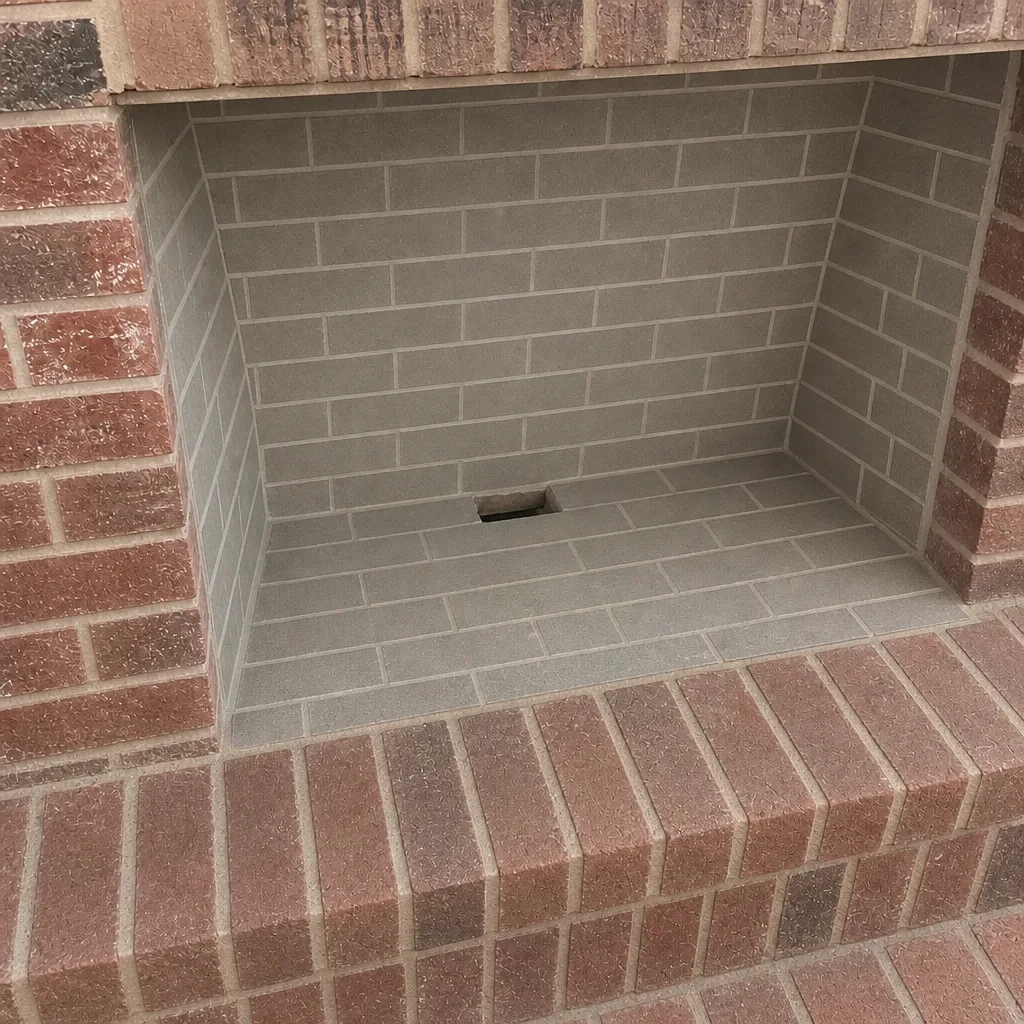
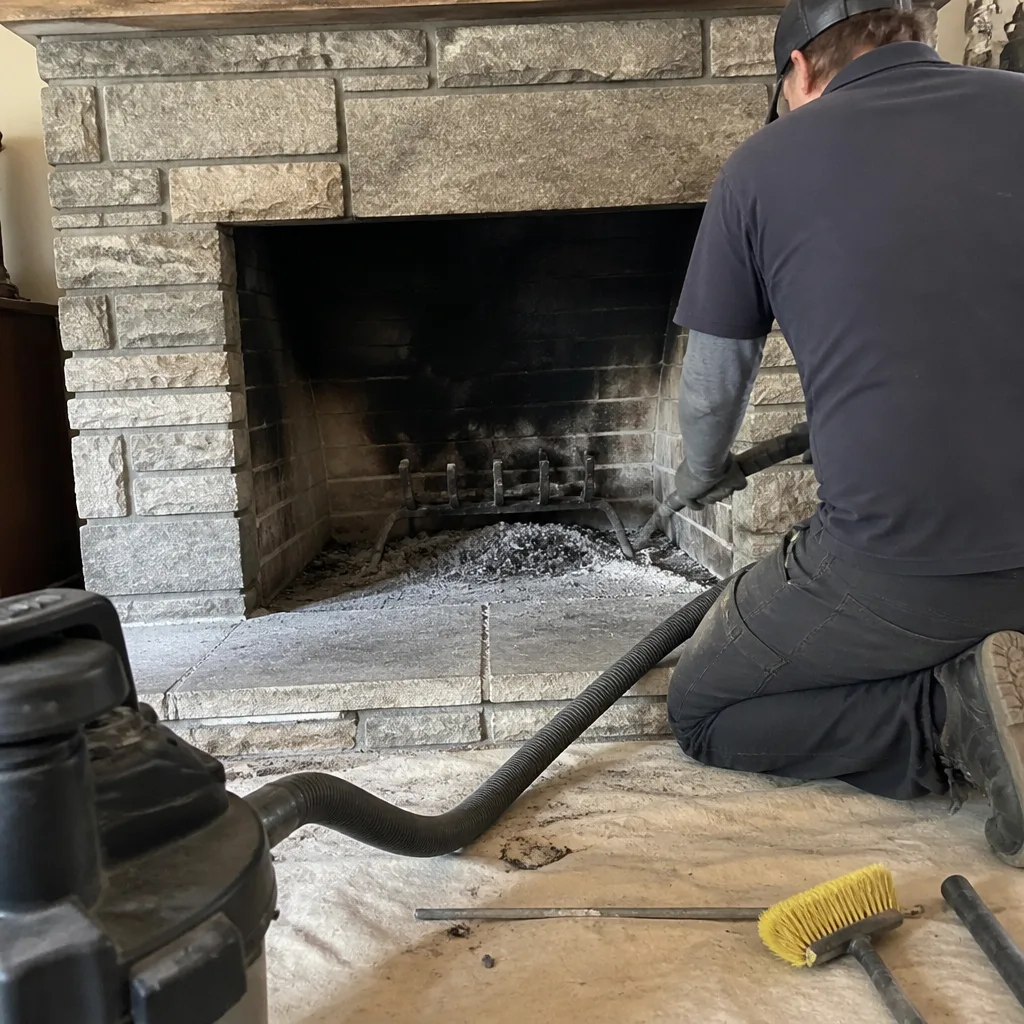
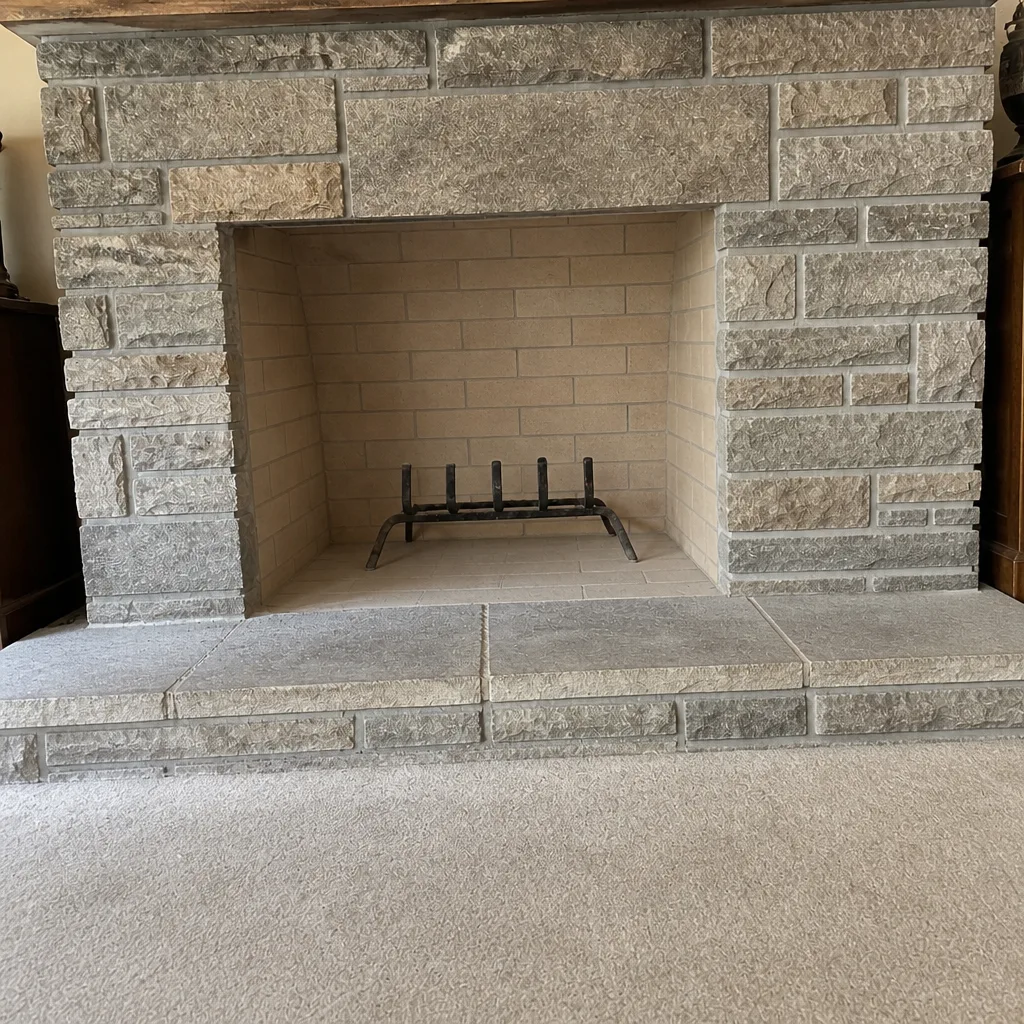
See the difference
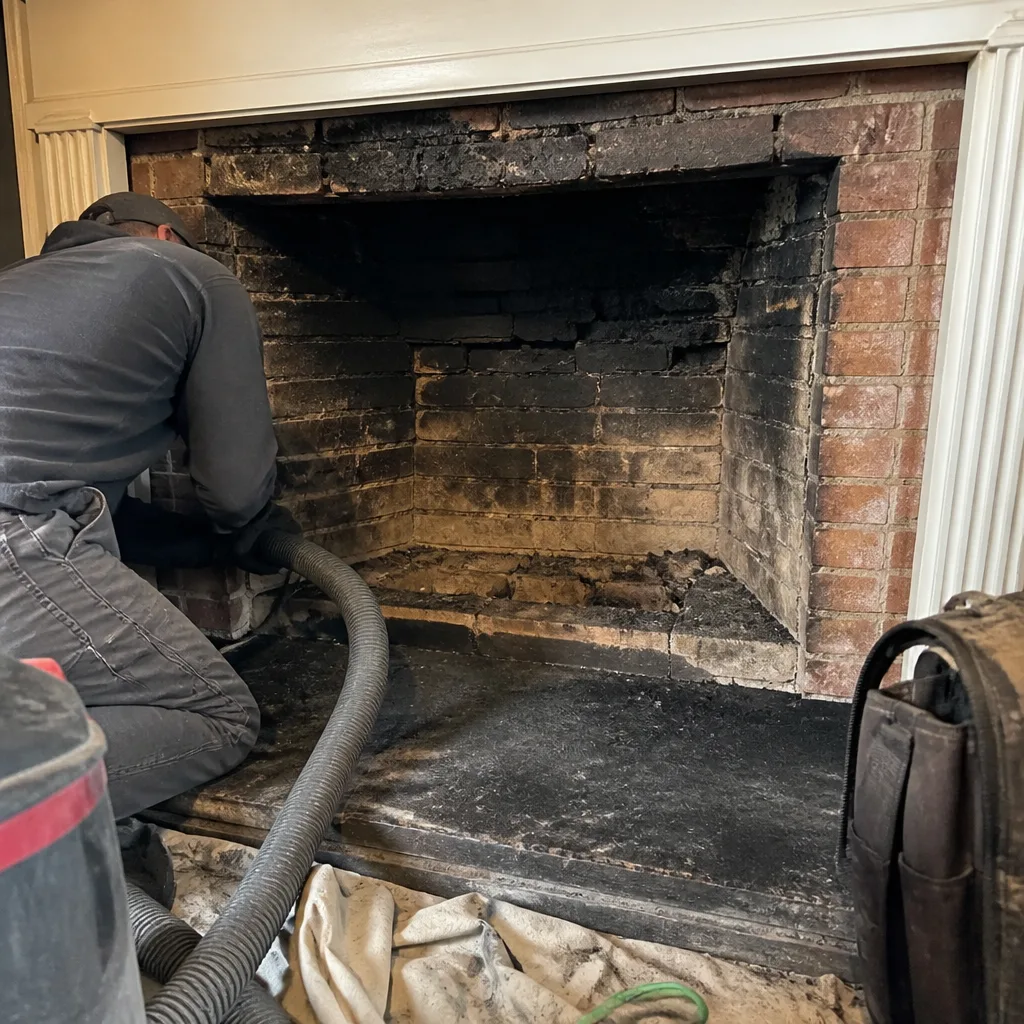 Before
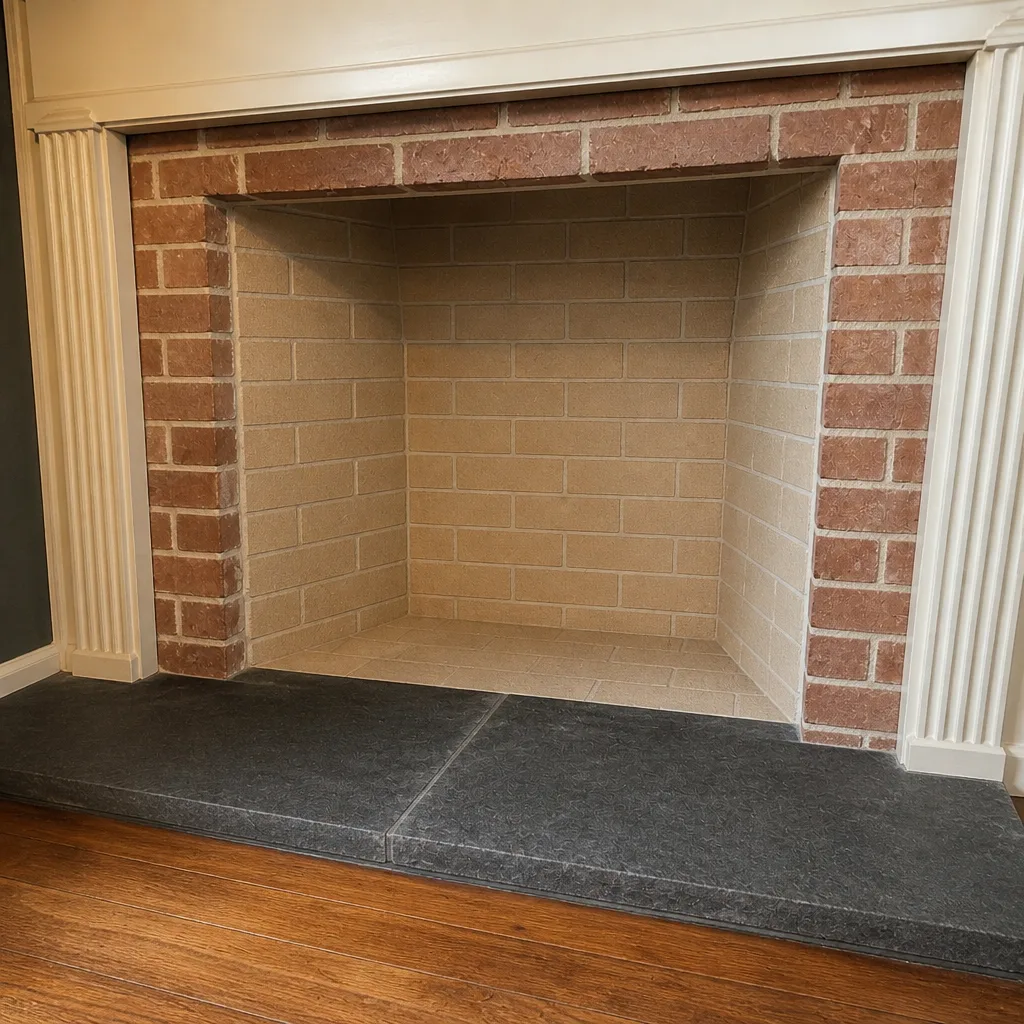 After
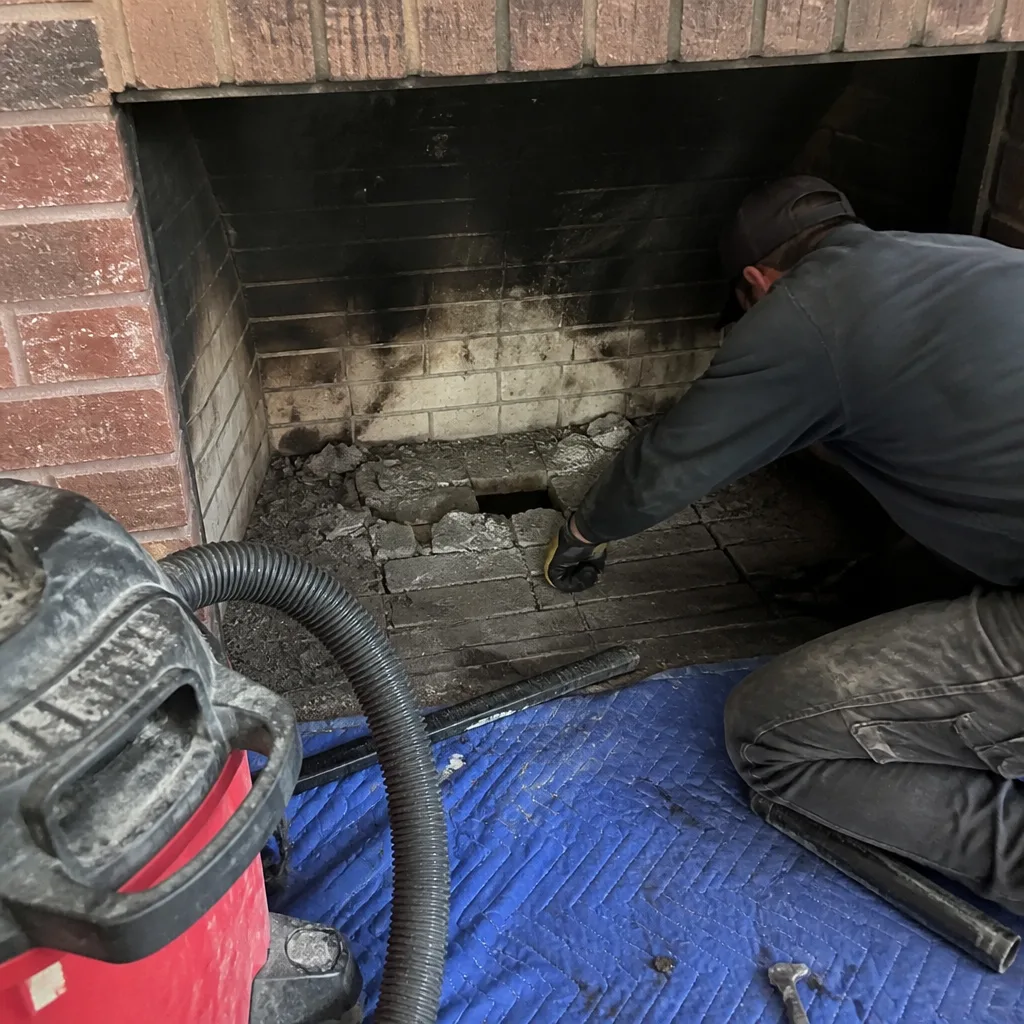 Before
 After
 Before
 After
When to Call a Professional
Some chimney issues are obvious – visible cracks in the crown, water stains on the firebox ceiling, smoke rolling back into the room. Others are invisible without a camera. Call a professional if you’re buying or selling a home and need a Level 2 inspection, if you’ve never had the chimney inspected, if you’ve noticed smoke or odor problems, or if a previous repair has no documentation. The stakes are high enough that a free estimate is worth the call. Chimney Sweep Bountiful offers free estimates in Bountiful – call (833) 482-6554. We answer 24/7. Fast dispatch from 7am to 7pm, Sunday through Friday.
Safety first
Never handle flue liner installation, firebox reconstruction, or crown rebuilding yourself. These are structural repairs that require the right materials, the right clearances, and inspection by a qualified professional. The small cost of a permit and an inspection is a fraction of the cost of a repair that fails.
Frequently Asked Questions
No. Routine chimney cleaning and sweeping do not require a permit in Bountiful. Sweeping removes creosote and soot and keeps the existing system intact, which puts it in the maintenance category. The permit question only comes up when the sweep uncovers a structural defect that needs repair.
Almost always, yes. A liner replacement changes part of the chimney system, and that generally requires a building permit and a final inspection. The specific requirement depends on the jurisdiction that covers your address, so confirm with your local building department before the work starts.
A Level 2 inspection includes a visual check of accessible chimney components plus a camera scan of the flue interior, the roof, the attic, and the crawl space. You need one during a real estate transaction, after a chimney fire or suspected damage, after a change to the appliance or fuel type, or any time a Level 1 turns up a concern.
It can complicate a fire loss claim. Insurers investigate whether the chimney met code at the time of the loss, and unpermitted work can delay that investigation or affect coverage. Permitted and inspected work creates the documentation that answers the question up front.
Permit durations vary by jurisdiction and project scope. Your local building department can tell you how long a permit remains active for your specific repair. Ask when you apply, and plan the work so the final inspection happens before the permit expires.
Generally no. A chimney cap is an accessory component that protects the flue from rain, snow, and animals, and it typically doesn’t require a permit. A crown rebuild is a different story – it’s structural masonry, and it generally does require one.
The Bottom Line
Routine cleaning doesn’t need a permit. Structural repairs do. The line between them matters because it determines whether your chimney has a paper trail – and that paper trail is what protects you at an insurance claim, at a home closing, and at a buyer’s inspection. In Bountiful’s freeze-thaw climate, a properly permitted and inspected repair is also the one that holds up through winter. The rule is simple: inspect first, recommend second, and pull the permit before the work starts. If you’re buying a home or facing a repair, a Level 2 inspection gives you the documentation to proceed with confidence.
Call (833) 482-6554 for a free estimate. We answer 24/7. Fast dispatch from 7am to 7pm, Sunday through Friday.
To learn more about our full range of services, start with Chimney Sweep Bountiful or explore fireplace repair if the issue is in the firebox rather than the flue.
Written by the team at Chimney Sweep Bountiful.