
Last updated November 24, 2026
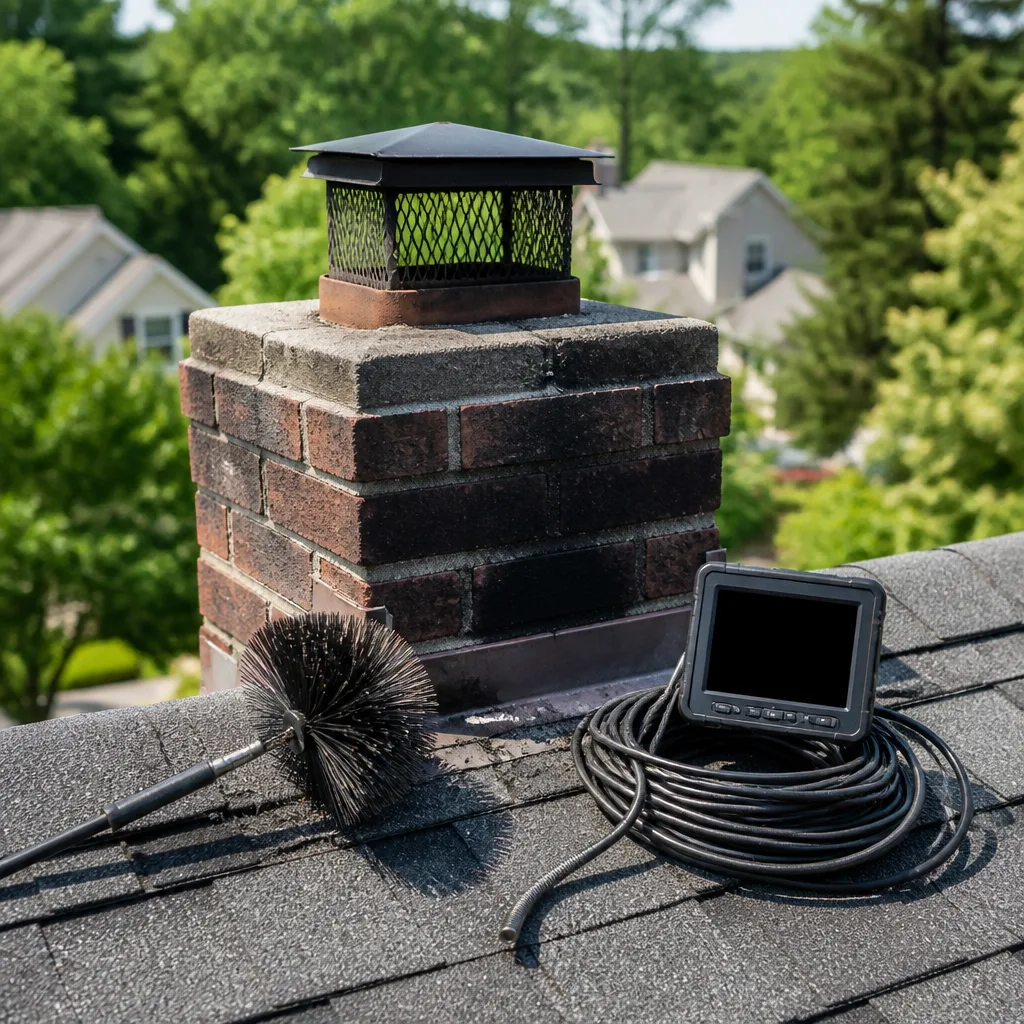 Sweep & inspection
 Caps & crowns
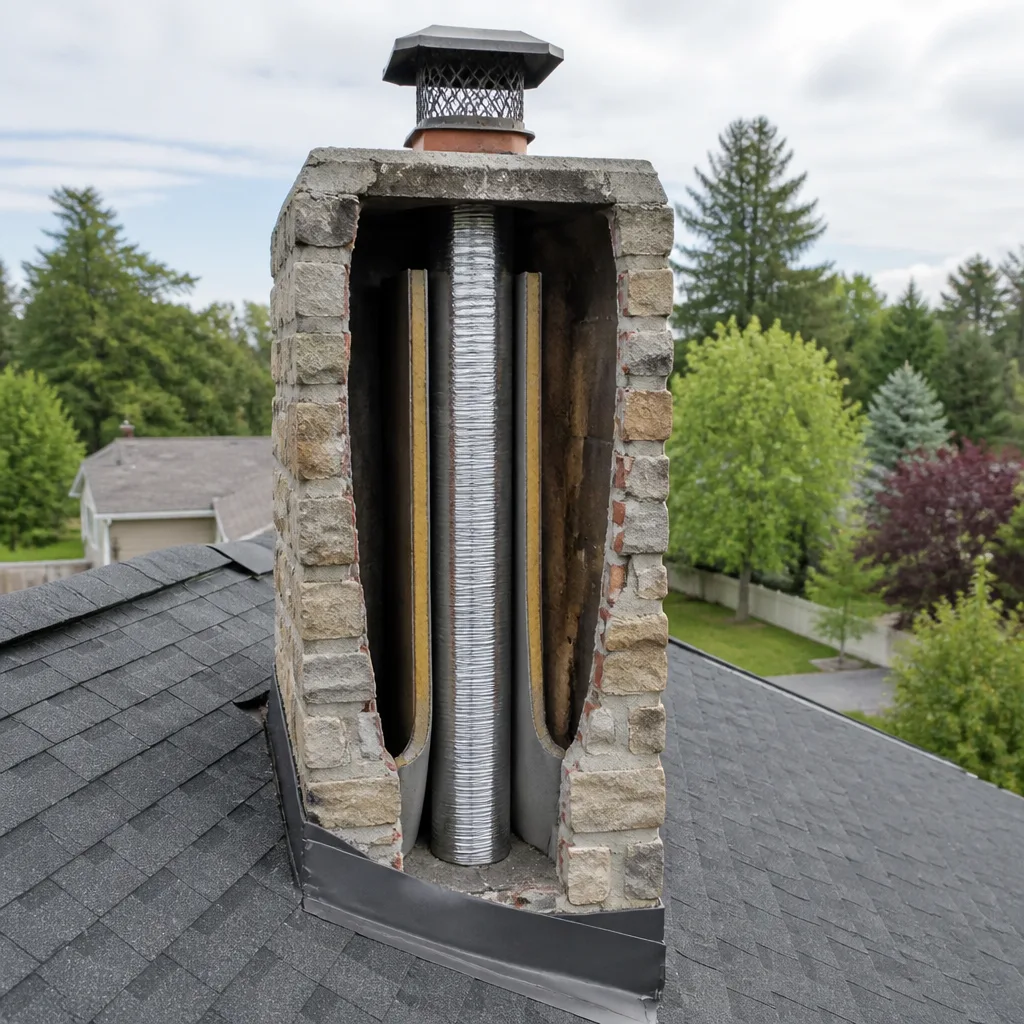 Flue relining
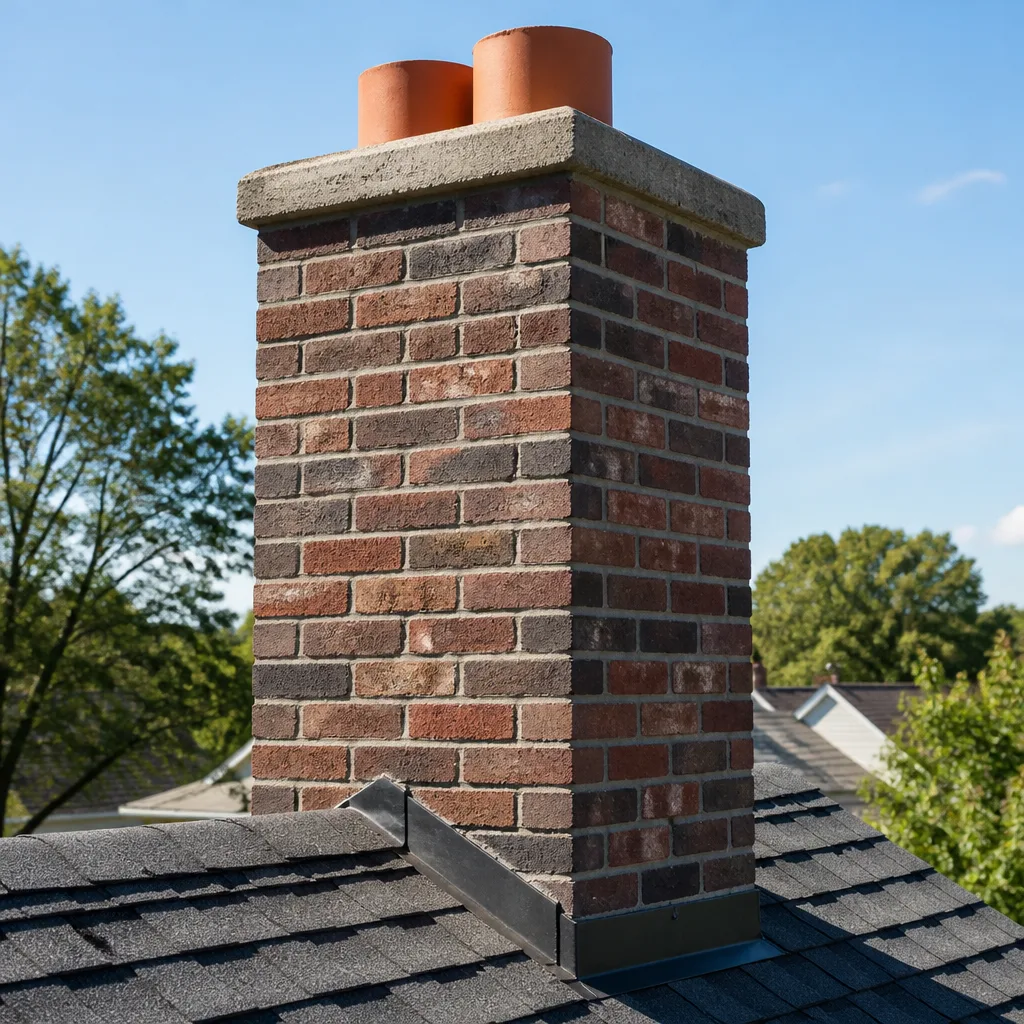 Masonry repair
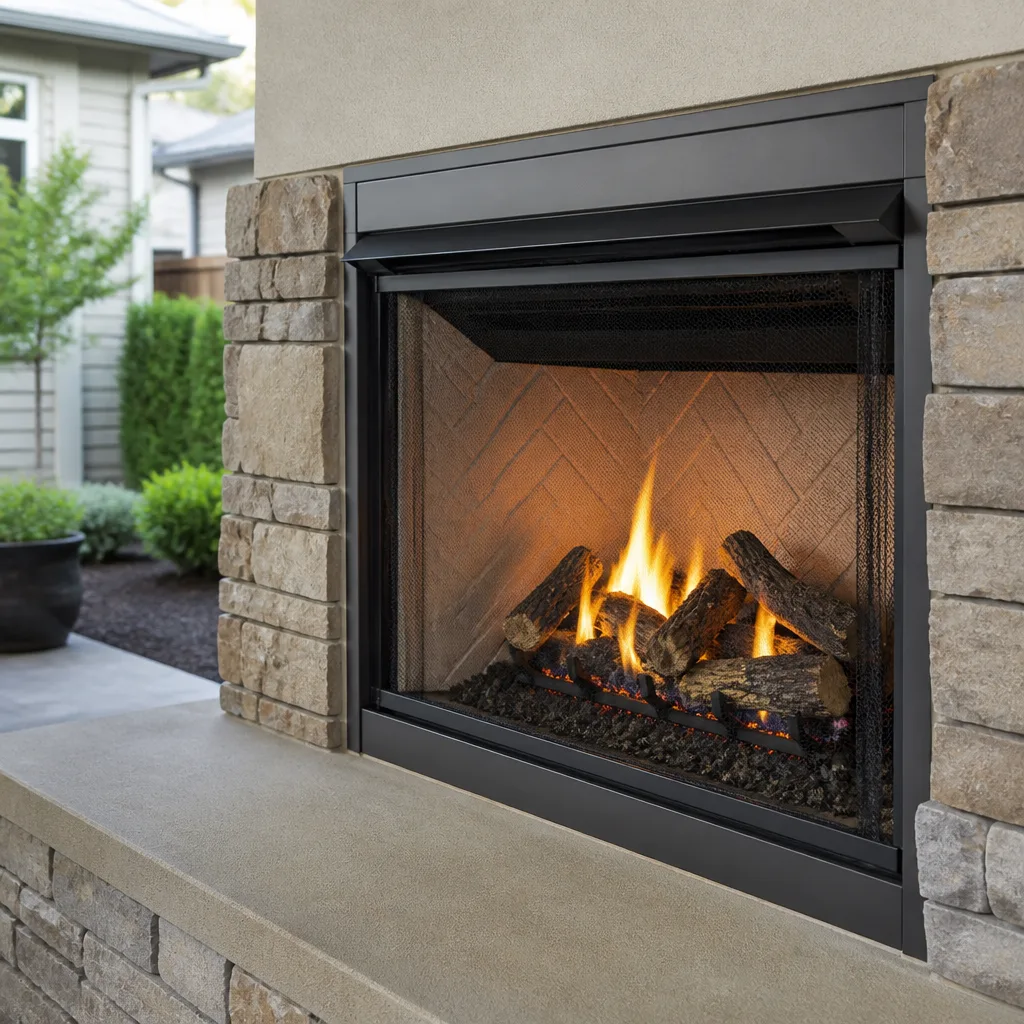 Gas fireplace service
Level 1 sweep and inspection to the NFPA 211 annual standard - flue, crown, cap, and flashing checked and photographed
Chimney sweep logs do not sweep chimneys. They loosen some creosote - which then falls where a brush and vacuum still have to collect it.
Choosing the Right Chimney Cleaning Brand: A Buyer’s Guide for Bountiful
There’s no “best brand” of chimney cleaning. That may sound odd coming from a full-service chimney company, but it’s the honest starting point. Cleaning a chimney isn’t a product category where the logo on the box drives the outcome. What drives the outcome is whether the method fits your flue, your creosote stage, and your chimney’s construction. A standard rod-and-brush system is the right tool for a lightly soiled straight masonry flue. On a Stage 3 glazed flue, that same brush doesn’t clean anything. It redistributes a fire hazard. This guide is about matching the method to the problem for homes in Bountiful, not about brand loyalty.
Quick Answer
For most Bountiful homes, the right chimney cleaning approach depends less on brand and more on creosote stage, flue type (masonry versus prefab), and flue geometry (straight versus offset). Standard rod-and-brush handles routine Stage 1 and light Stage 2 deposits. Rotary systems, chemical treatments, or HeatShield resurfacing come into play for heavier deposits or damaged flue walls. What matters most is that a contractor shows you camera evidence and matches the method to what’s actually there.
Styles & brands we work with
- Sweep & inspection
- Caps & crowns
- Flue relining
- Masonry repair
- Gas fireplace service
Table of Contents
- Rod-and-Brush vs. Rotary: Which Cleaning Method Fits Your Chimney?
- Chemical Creosote Removers: What They Can and Cannot Do
- What CSIA-Approved Equipment Standards Actually Require
- How to Tell If a Contractor’s Equipment Matches Your Chimney Type
- Consumable Products Homeowners Can Use Between Cleanings
- What Bountiful Chimneys Face: Winter, Wind, and Wood Smoke
- Questions to Ask Before Booking a Chimney Cleaning
- Why Inspect First, Recommend Second Matters
Rod-and-Brush vs. Rotary: Which Cleaning Method Fits Your Chimney?
Rod-and-brush systems use flexible rods topped with a brush sized to the flue. Rotary systems use a motorized whip or chain head that spins inside the flue, combining mechanical friction with controlled contact against the walls. The difference isn’t marketing. It’s a functional difference in how each tool applies force to creosote.
A standard brush works by scraping along the flue interior as it’s pushed and pulled. It’s effective on light, flaky creosote (Stage 1) and reasonably effective on soft, sticky Stage 2 deposits. Where it struggles is on hard, glazed Stage 3 creosote, which bonds tightly to the wall. Running a brush over that surface can polish the glaze rather than remove it, and the material that flakes loose still has to go somewhere.
Rotary systems apply continuous mechanical rotation, which breaks up glazed deposits more aggressively. Use rotary on masonry flues with significant creosote buildup, and be careful on older or damaged liners where aggressive action could cause more harm. A contractor who reaches for rotary on every job isn’t necessarily more thorough. They may simply be skipping the assessment.
The right conversation before booking a chimney sweep in Bountiful is: what creosote stage do you expect to find, and which method will you use? If the answer is “we’ll see when we get there,” that’s a fair answer, but it should come with a camera inspection before any cleaning begins.
Which method for which condition
- Stage 1 creosote (light, flaky): Standard rod-and-brush is appropriate and sufficient.
- Stage 2 creosote (soft, sticky, more than 1/8 inch): Rod-and-brush with careful attention to coverage works well in most cases.
- Stage 3 creosote (glazed, hardened): Rotary cleaning or chemical treatment, or a combination, is typically needed. Brush-only risks spreading the hazard.
- Offset flues and sharp angles: Flexible rods with correct sizing handle these; rotary heads need more care around transitions.
- Prefab (factory-built) chimneys: Follow the manufacturer’s cleaning recommendations. Rotary heads can damage some prefab liners if used incorrectly.
Chemical Creosote Removers: What They Can and Cannot Do
Chemical creosote removers fall into a few categories: powders and liquids that break down creosote at the molecular level, and log-style products that release compounds during burning. Each works differently, and each has limits that aren’t advertised.
What chemicals can do:
- Soften hard or glazed creosote so it can be removed by brushing rather than requiring aggressive mechanical action.
- Break down sticky Stage 2 deposits between cleanings, making the next sweep easier.
- Reduce creosote accumulation when used consistently by a homeowner who burns regularly.
What chemicals cannot do:
- Clean the flue. No product on the market replaces a physical sweep. A chemical that loosens creosote still leaves the material in the flue until it’s brushed out.
- Fix a damaged liner. Chemicals treat what’s in the flue, not the condition of the flue itself.
- Substitute for inspection. A homeowner using chemical products between cleanings still needs periodic professional inspection to verify what’s happening inside.
In our experience, chemical products are a legitimate tool when used correctly and in the right context. They’re a shortcut when someone uses them as the only chimney cleaning they do. The distinction matters in Bountiful, where heavy winter burning and cool spring shoulder seasons create slow-burn conditions that promote creosote accumulation. A homeowner burning wet wood through a long, cool burn season builds up deposits that no chemical alone will safely remove.
What CSIA-Approved Equipment Standards Actually Require
The Chimney Safety Institute of America (CSIA) sets training and equipment standards that contractors can be evaluated against. These don’t mandate specific brands. They mandate that the contractor has access to equipment appropriate for the job type and that they use it correctly.
At a practical level, CSIA standards imply a contractor should be able to:
- Inspect the flue before cleaning, using a camera when visual inspection from the top or bottom doesn’t reveal enough.
- Select a cleaning method appropriate to the creosote stage and flue type.
- Use properly sized brushes for the flue diameter – oversized brushes damage liners, undersized ones miss coverage.
- Contain debris during cleaning to prevent soot entering the living space.
- Verify the flue is clean after cleaning, typically through visual reinspection or camera.
- Provide a written report of what was found and what was done.
The equipment brand on the brush or rod is far less consequential than whether all six steps happen. A contractor with the most expensive rotary system who skips camera inspection and doesn’t verify the result is a worse choice than a contractor with standard rods, proper brush sizing, and disciplined process. When you book a professional chimney sweep in Bountiful, ask about process, not brand names on the equipment case.
How to Tell If a Contractor’s Equipment Matches Your Chimney Type
The single most useful question before booking a cleaning is whether the contractor can handle your specific chimney’s construction and geometry. Prep questions should cover:
- Masonry or prefab? The two require different brush types and different care around the liner. A prefab flue with a metal liner shouldn’t receive the same aggressive rotary treatment as a seasoned masonry flue.
- Straight or offset flue? Offset flues require flexible rods or a rotary head designed to track through angles. If a contractor’s equipment doesn’t handle offsets, they’ll either skip sections or cause damage.
- Interior or exterior chimney? Exterior chimneys in Bountiful face more temperature swing across the seasons, which affects creosote formation and where it deposits.
- Flue tile condition? Cracks or missing mortar joints in a tile flue change the cleaning method significantly. Cleaning without inspecting first can turn a small crack into a larger problem.
- Liner history? If a stainless liner is in place, its gauge and installation quality determine what cleaning tools are safe to use.
Contractors who carry a curated range of professional-grade products like DuraFlex, Olympia Chimney, Famco, and Copperfield tend to have both the cleaning equipment and the material capability to address problems found during cleaning. That matters because the tightest-value outcome is one visit that handles the cleaning, identifies the condition, and corrects a minor issue on the spot rather than a two-step hand-off between contractors.
Consumable Products Homeowners Can Use Between Cleanings
Plenty of chimney products are marketed to homeowners as maintenance items. Some do useful work. Others are sold on capability they don’t deliver. A realistic split:
Legitimate between-cleaning products
- Creosote-reducing logs: Effective at softening deposits between professional cleanings and slowing new accumulation. Not a cleaning substitute.
- Chimney caps: The most effective preventive investment for a chimney. A well-fitted cap keeps rain, snowmelt, and animals out, reducing moisture-driven deterioration. Cap and crown work is part of what we do, and the caps we install come from Copperfield and Famco components that are sized to the flue.
- Damper gaskets and top-sealing dampers: Reduce heat loss and keep cold air from dropping down when the fireplace is idle – a real efficiency gain through Bountiful winters.
- Fireplace screens and glass doors: Keep embers and sparks inside the firebox and improve draft control.
Products marketed beyond their actual capability
- “Clean your chimney” powder that claims to eliminate the need for sweeping: No product does this safely. Softening is not cleaning.
- Spray-on creosote treatments marketed as full removal: They may soften glazed deposits but leave the material in place until it’s brushed out.
- Flexible liner “sealers” advertised for homeowner application: Liner sealing is a professional repair. The HeatShield ceramic flue resurfacing system we use is applied by trained applicators for good reason.
- DIY camera-inspection kits: Homeowner cameras can identify an obvious problem, but they can’t verify cleanliness or liner integrity to a standard you can rely on.
What Bountiful Chimneys Face: Winter, Wind, and Wood Smoke
Bountiful’s location along the Wasatch foothills shapes how chimneys wear. Homes sit at elevation with real winter snow and freeze-thaw cycles that open hairline cracks in masonry and stress mortar joints. Where temperatures swing hard – warm afternoon sun against cold night air – the crown and mortar cap take the most abuse. That’s why crown work sits alongside cleaning in the maintenance conversation.
Wind coming off the foothills pushes rain and snow against exterior chimneys, and without a cap, that moisture gets into the flue. Water in a masonry flue is the leading cause of spalling brick and deteriorated mortar joints. When we inspect chimneys in Bountiful, water intrusion is the finding we most often discuss alongside creosote. Sorting out the creosote and the water at the same time is one of the reasons cleaning and repair belong together rather than split between different contractors.
Wood burning in Bountiful homes is substantial through the coldest months. Cooler shoulder seasons encourage slow, low-oxygen burns, which produce more creosote per cord than a hot, well-ventilated fire. Homes that burn throughout November through March, with the fire dampened overnight, tend to build Stage 2 deposits faster than homes burning occasionally. Understanding that pattern helps a contractor predict the cleaning method before they even get to the camera.
Questions to Ask Before Booking a Chimney Cleaning
These questions tend to sort contractors quickly. Ask them by phone before booking, and pay attention to whether the answers are specific.
- Will you inspect before you clean? The right answer is yes, with a camera if the flue isn’t fully visible from the top or the firebox.
- What method will you use, and why? Probing for a fit between method and expected creosote stage is fair. A contractor who describes only one method for every job may be skipping the assessment.
- How do you handle prefab versus masonry? The answer should differ. Prefab liners are cleaned with more care.
- Do you verify cleanliness after cleaning? A visual or camera check after cleaning is a good sign. “It’s done, trust us” is not.
- Can you do repair work if you find something? One visit that handles cleaning and a minor cap or crown fix beats a two-contractor hand-off. This is where we stand apart from sweep-only companies.
- Do you offer a written estimate before any work? Any work beyond the cleaning should be scoped and priced in writing first.
- Do you carry professional-grade products, or what’s available at the local hardware store? DuraFlex, Olympia Chimney, Famco, and Copperfield are the kinds of product lines trade-level contractors tend to work with.
Why Inspect First, Recommend Second Matters
The biggest fear for most Bountiful homeowners we talk to is being told they need thousands of dollars of liner work or repointing based on nothing they can see. That’s a fair fear, and it’s why our process starts with the inspection and not the recommendation.
Here’s how we work it:
- Inspect the system as it is, camera included, before disturbing anything.
- Show you the camera footage so you can see what we see.
- Explain what needs cleaning, what needs repair, and what can safely wait.
- Provide a written estimate on the repairs, with the cleaning priced separately from repair work.
An inspection as a standalone service – not bundled or conditional on booking other work – is the other piece of this. A homeowner buying a home in Bountiful, or someone who hasn’t had the chimney serviced in over a year, should be able to get a clear condition report without being pressured into a service package. We offer that because the report is the honest starting point. If you’re ready to book an inspection or a cleaning, we handle it start to finish. Call (833) 482-6554 and we’ll set a time.
Common Mistakes to Avoid
- Judging a contractor by equipment brand alone. The brand on the brush tells you very little. The process the contractor follows tells you a lot. Ask about inspection and post-cleaning verification instead.
- Skipping the pre-cleaning assessment. Cleaning without looking inside first is a recipe for spreading creosote, missing a crack, or missing a cap failure. In Bountiful, where winter weather has already done one round of damage by spring, the assessment is not optional.
- Using chemical products as a cleaning substitute. Chemical removers soften deposits. They don’t remove them, and a flue that’s been chemically softened but not physically cleaned is not safer than it was before.
- Ignoring the crown and cap. These are the first line of defense against water. A homeowner chasing creosote and ignoring the crown still gets water damage, and they’ll be back at the repair stage sooner than a homeowner who sorted both together.
- Burning wet wood through a slow-burn season. Damp wood burned slow produces more creosote per cord, and Bountiful’s cool shoulder seasons encourage exactly that pattern. Seasoned wood burned hot burns cleaner.
- Splitting cleaning and repair between two contractors. The classic hand-off problem is a sweep who finds a problem and a repair contractor who wasn’t there to see it. One company that handles both keeps the assessment and the fix connected.
- Booking a cleaning for the “once a year” date without checking the condition. Annual cleaning is a good default for regular burners, but a heavily used chimney after a hard winter may need inspection and possible repair. Frequency should follow condition, not the calendar alone.
See the difference
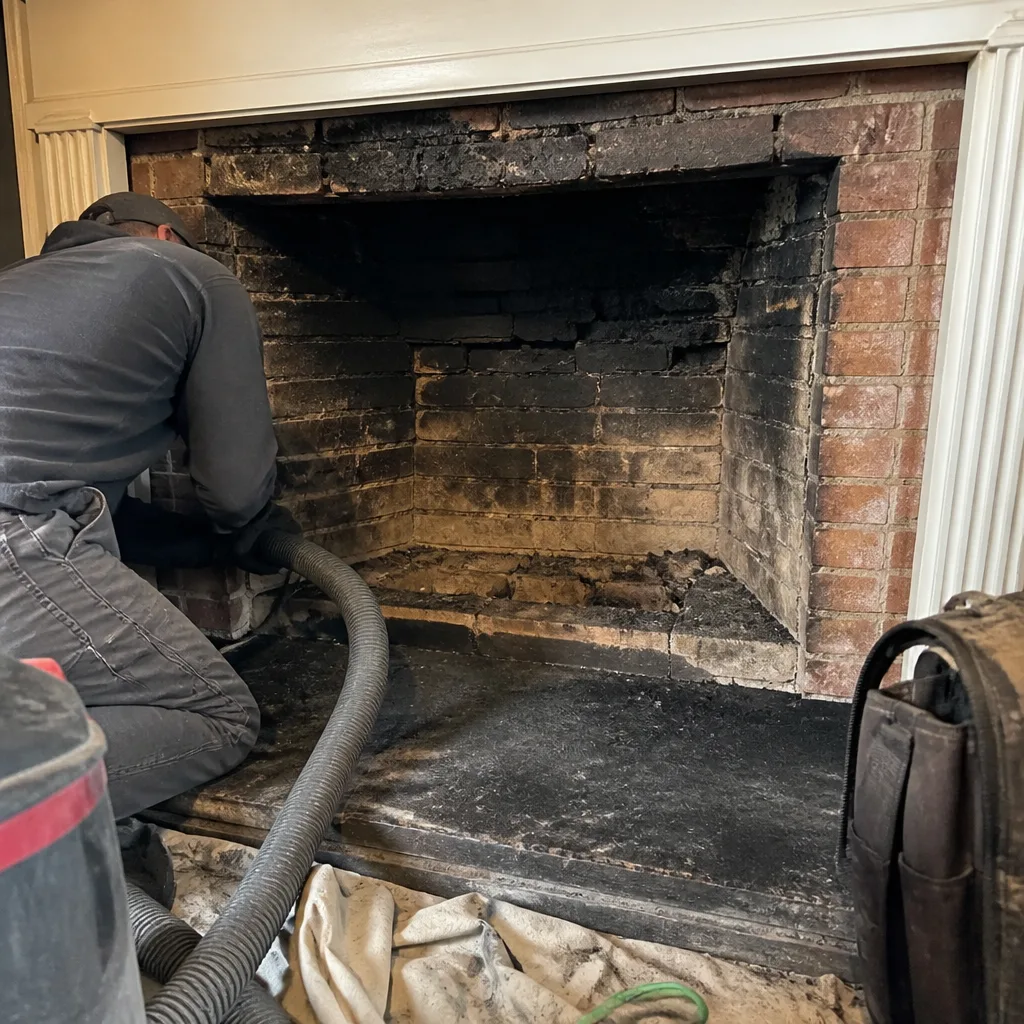 Before
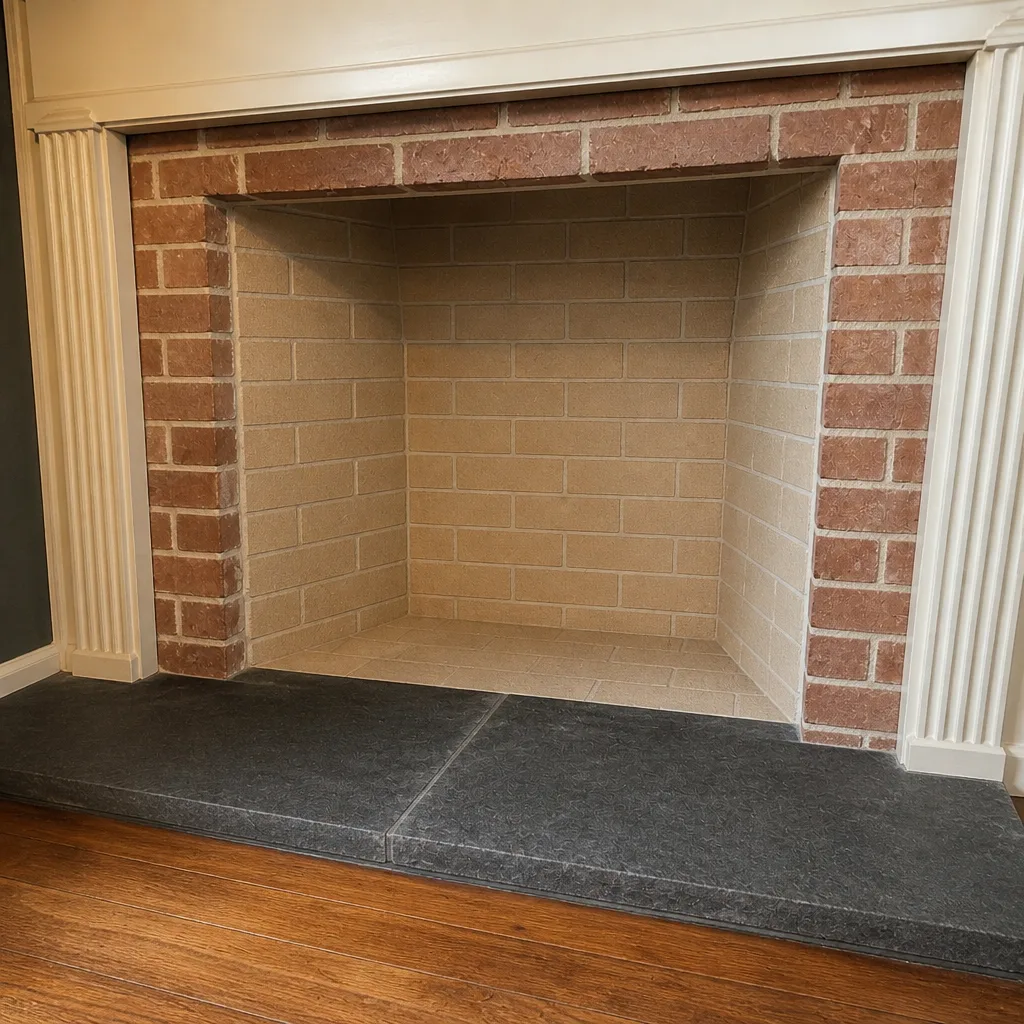 After
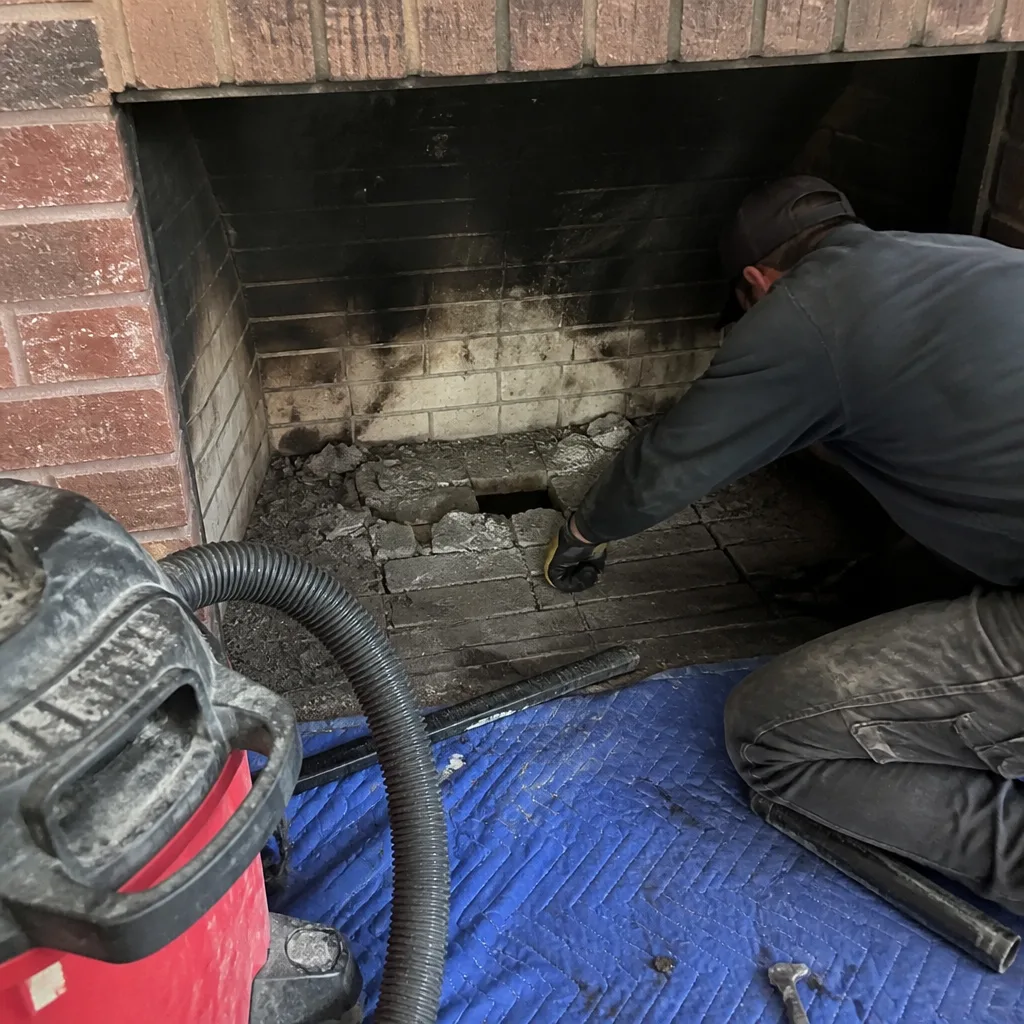 Before
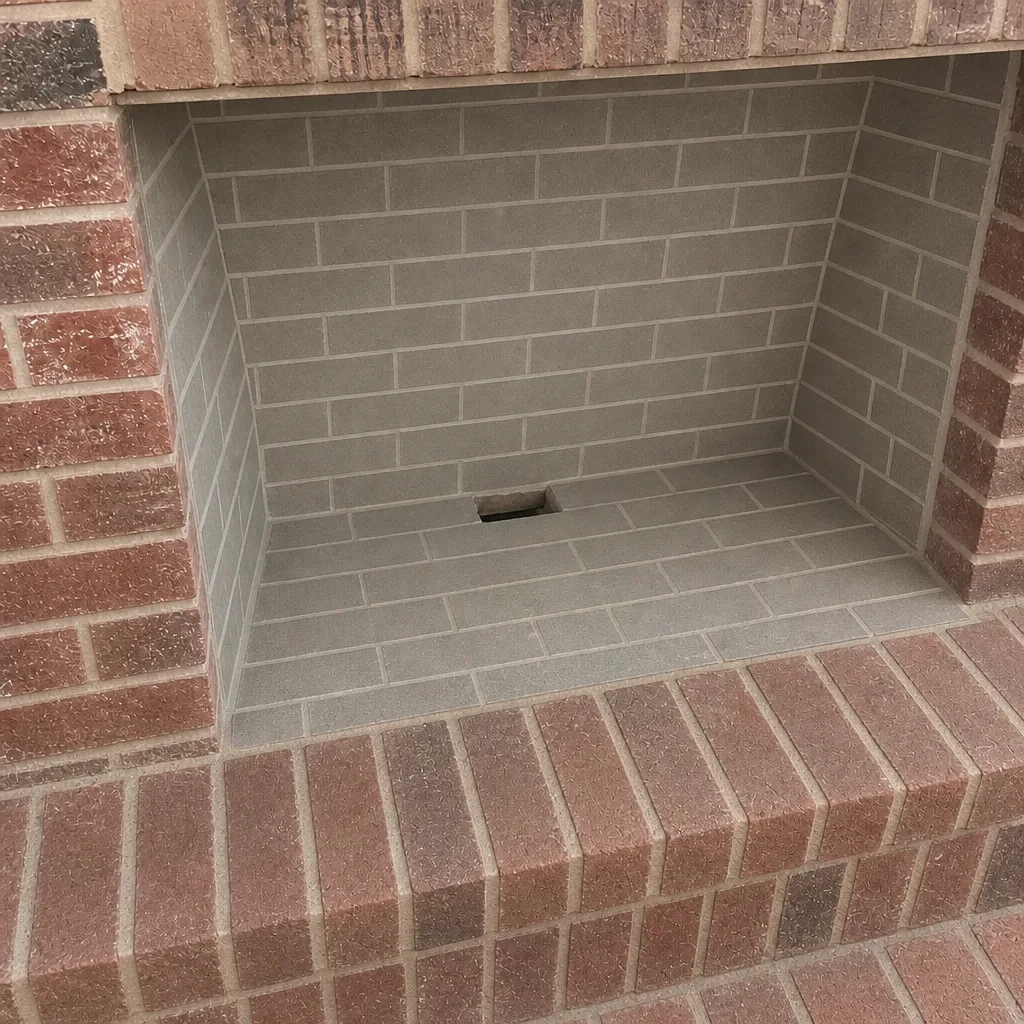 After
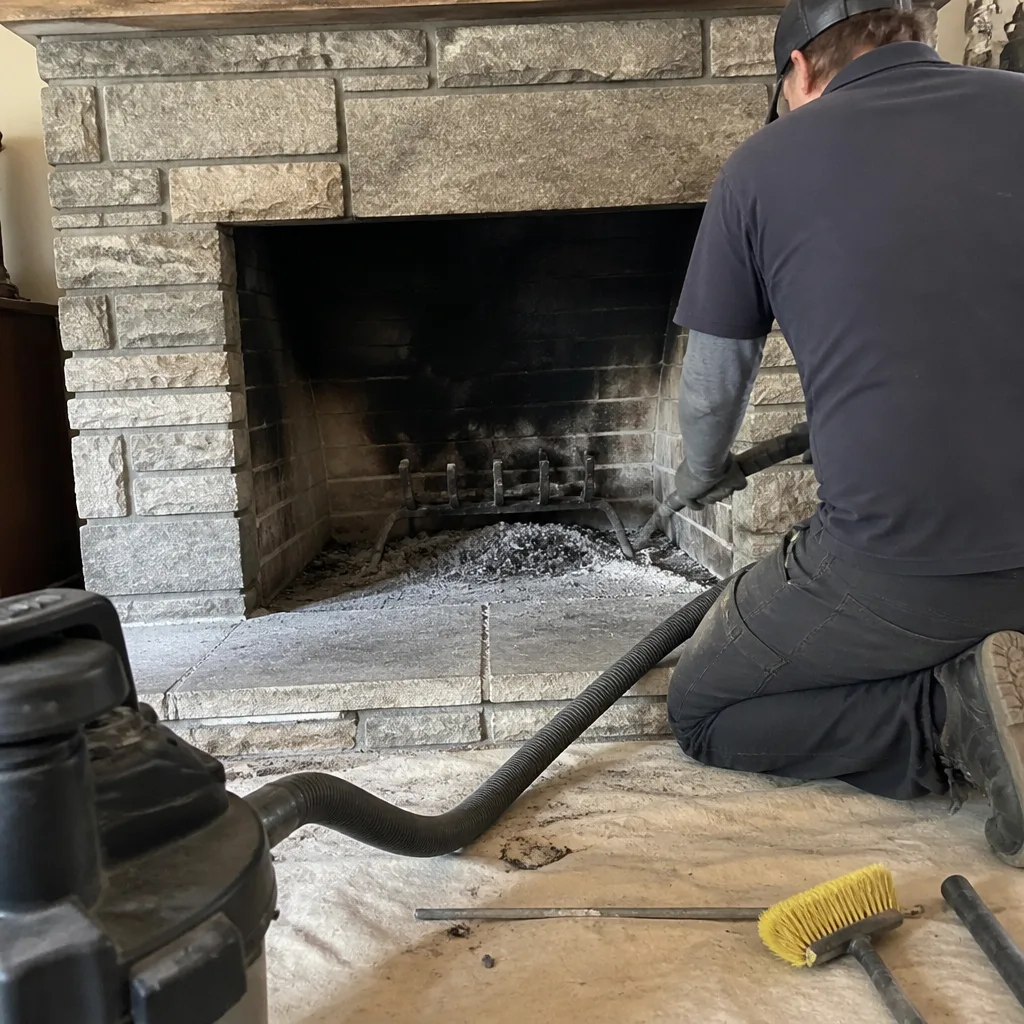 Before
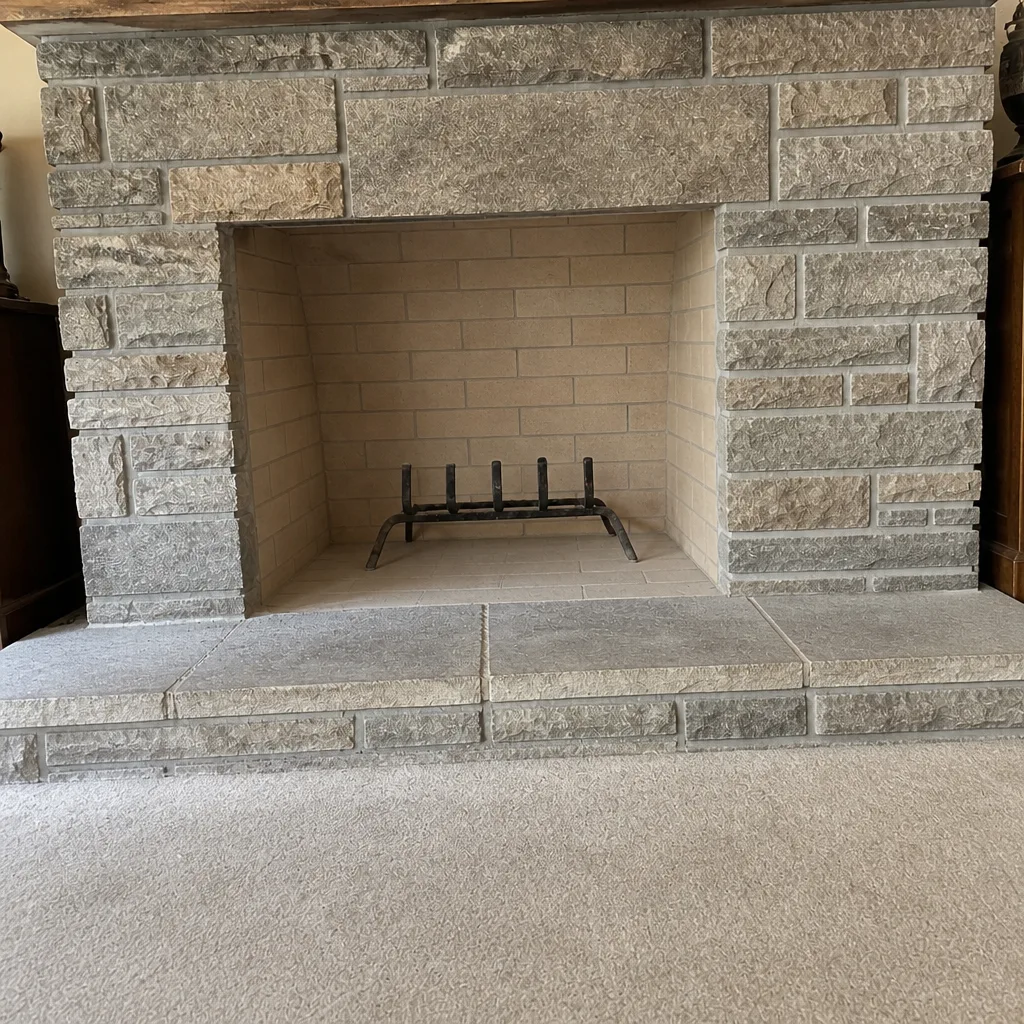 After
When to Call a Professional
Call before you burn if any of these apply to your home in Bountiful:
- The chimney hasn’t been serviced in more than a year and the fireplace has been in regular use.
- You’re buying a home and want a condition report before committing to repairs.
- You smell smoke in the house when the fireplace is running, which can indicate a draft problem, a blockage, or a flue issue.
- You’ve noticed water staining on the chimney exterior, spalling brick, or a damaged crown.
- You’ve had a chimney fire – even a small one – or a chimney fire is suspected based on a “puffing” sound and a sudden roar.
- You’re using a prefab chimney and haven’t verified the liner condition since moving in.
- You’re considering chemical products and want to know whether they’re the right tool for what’s in your flue first.
Chimney Sweep Bountiful offers free estimates in Bountiful – call (833) 482-6554 for a time. We handle everything from a routine Chimney Sweep Bountiful to fireplace repair and full chimney repair under one roof.
Frequently Asked Questions
There isn’t one – the contractor’s method and process matter far more than the brand on the cleaning equipment. What matters is whether they inspect first, size the method to your creosote stage and flue type, and verify cleanliness afterward. Professional-grade product lines for repair work (DuraFlex, Olympia Chimney, Famco, Copperfield) are a useful signal that a contractor has the material depth to handle problems found during cleaning.
Most homes burning regularly through the winter benefit from an annual inspection, with cleaning as needed based on the condition found. Homes that burn heavily, burn slow, or burn unseasoned wood may need more frequent attention. Homes with a gas fireplace typically need inspection less often but still on a regular cycle. Call (833) 482-6554 to book an inspection.
Stage 3 glazed creosote has bonded tightly to the flue wall and can’t be safely removed with a standard brush – the brush tends to polish the glaze instead of breaking it. Rotary cleaning, chemical softening, or a combination is typically needed for Stage 3. A camera inspection before cleaning is the way to know which stage you’re dealing with. Call (833) 482-6554 for details.
They work at what they’re designed to do – softening creosote so brushing can remove it – but they don’t clean the flue on their own and they don’t substitute for a professional sweep. A homeowner using chemicals between cleanings is fine. A homeowner using chemicals instead of cleanings is relying on a product that can’t carry that load.
Ask about your chimney’s construction (masonry or prefab), its geometry (straight or offset), and whether the contractor uses different tools for each. The answer should show familiarity with both. In our experience, a contractor who can’t answer those questions before arriving isn’t prepared to handle both job types well.
A professional inspection includes a visual assessment of the flue, firebox, damper, crown, cap, and any visible exterior components, with camera footage when the flue isn’t fully visible from the top or bottom. In Bountiful, the inspection also takes into account the local climate exposure – water intrusion, freeze-thaw damage, and creosote patterns. A written report should follow. An inspection as a standalone service is available at Chimney Sweep Bountiful – call (833) 482-6554.
The Bottom Line
The choice of chimney cleaning brand matters far less than three things: whether the contractor inspects before cleaning, whether they match the method to your creosote stage and flue type, and whether they handle what they find without passing you to a second contractor. For Bountiful homes, the local climate adds water intrusion and freeze-thaw damage to the creosote discussion, and a good chimney contractor should have both the chemistry (HeatShield, DuraFlex) and the structural components (Copperfield, Famco) to handle the whole chimney, not just part of it.
If you’re ready to book, we handle it start to finish. Call (833) 482-6554. We answer 24/7. Fast dispatch from 7am to 7pm, Sunday through Friday. Estimates are free and the written estimate sets the price.
Written by the team at Chimney Sweep Bountiful.