
Last updated November 24, 2026
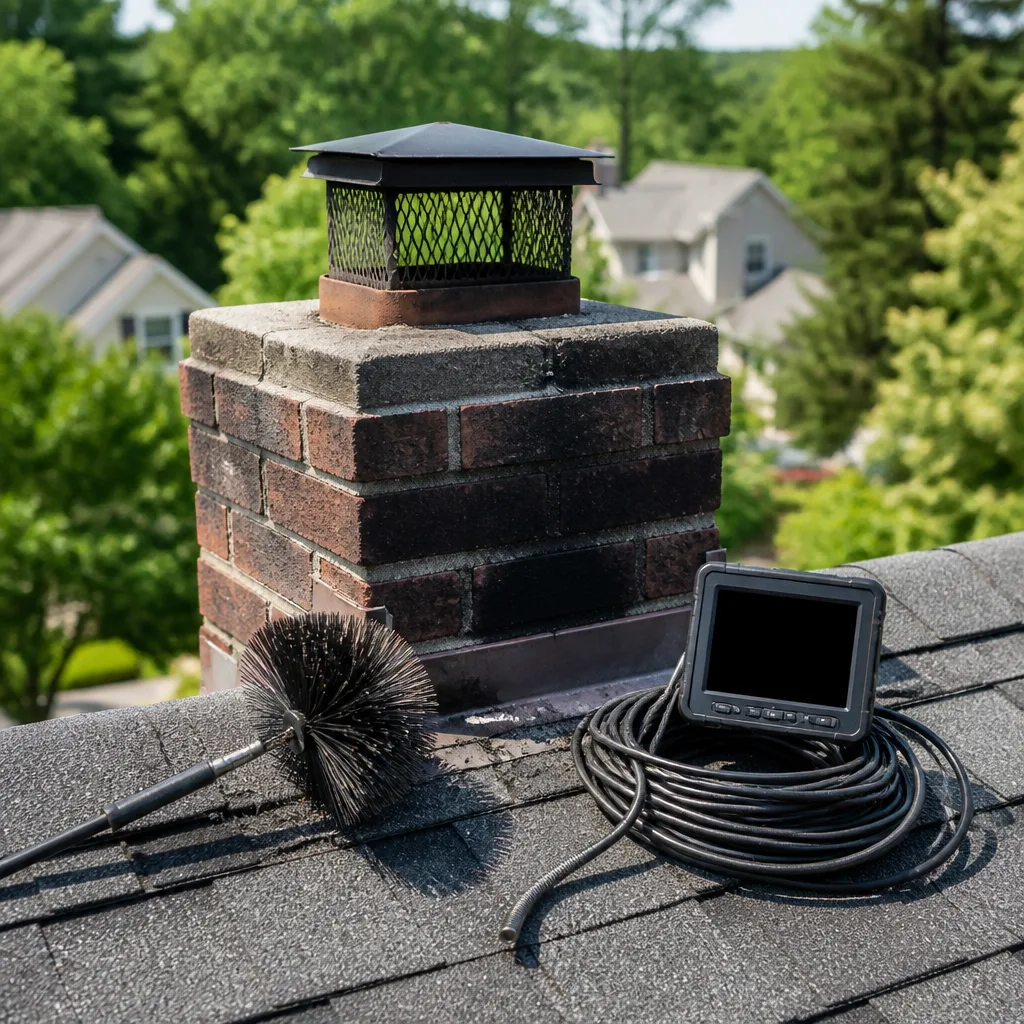 Sweep & inspection
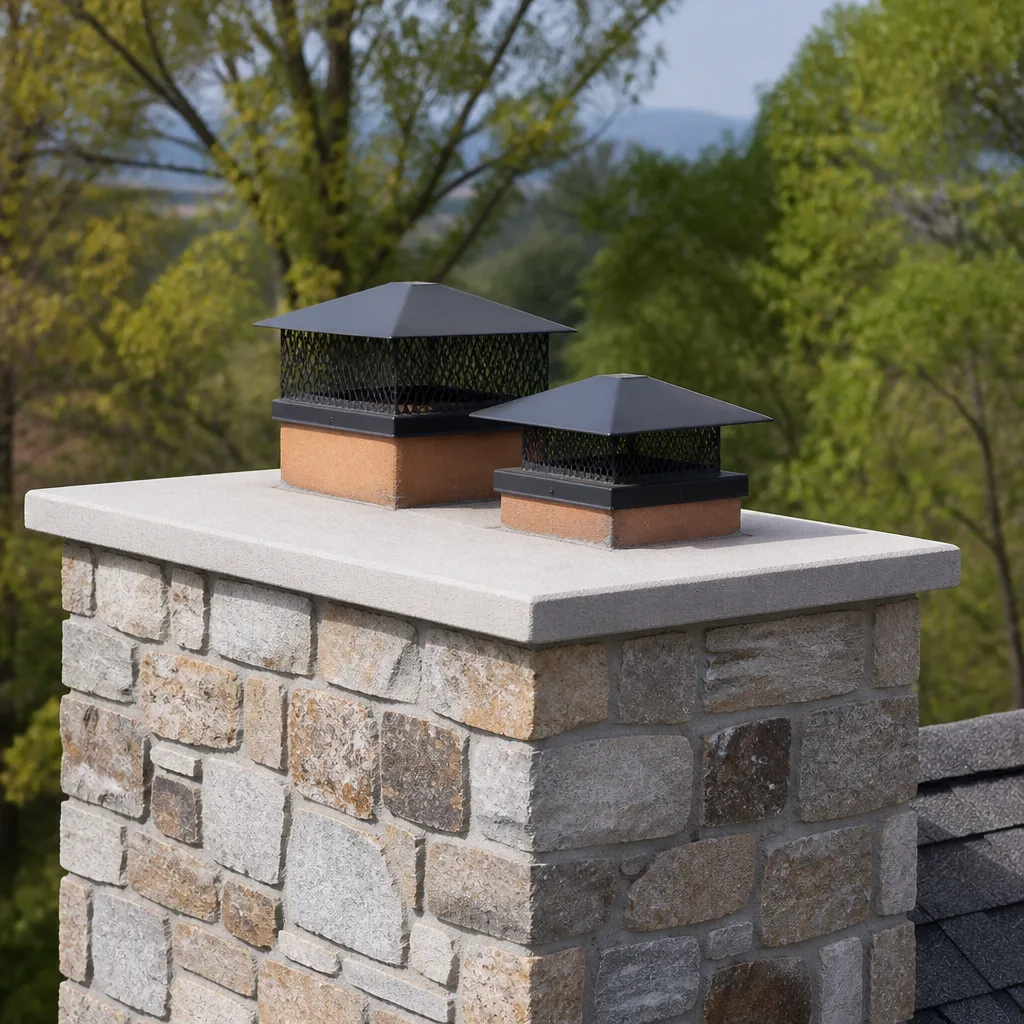 Caps & crowns
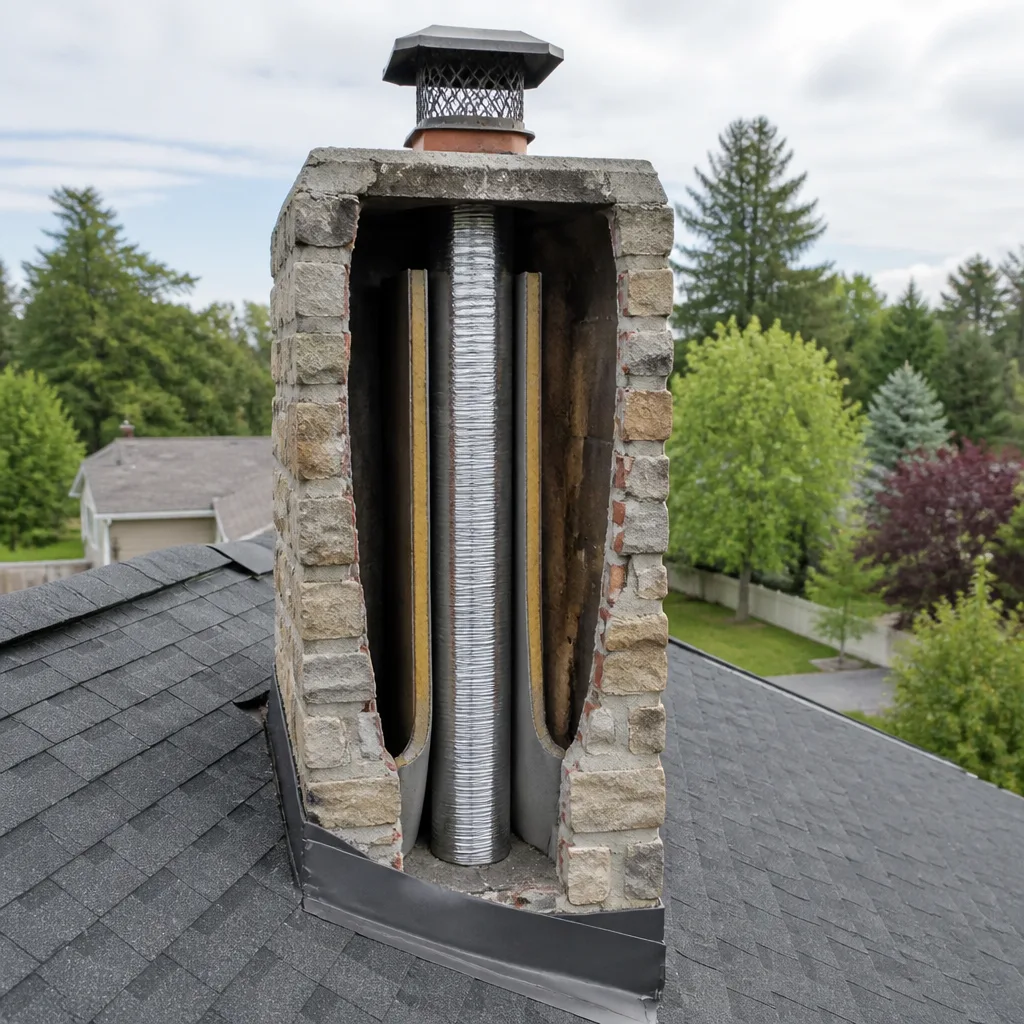 Flue relining
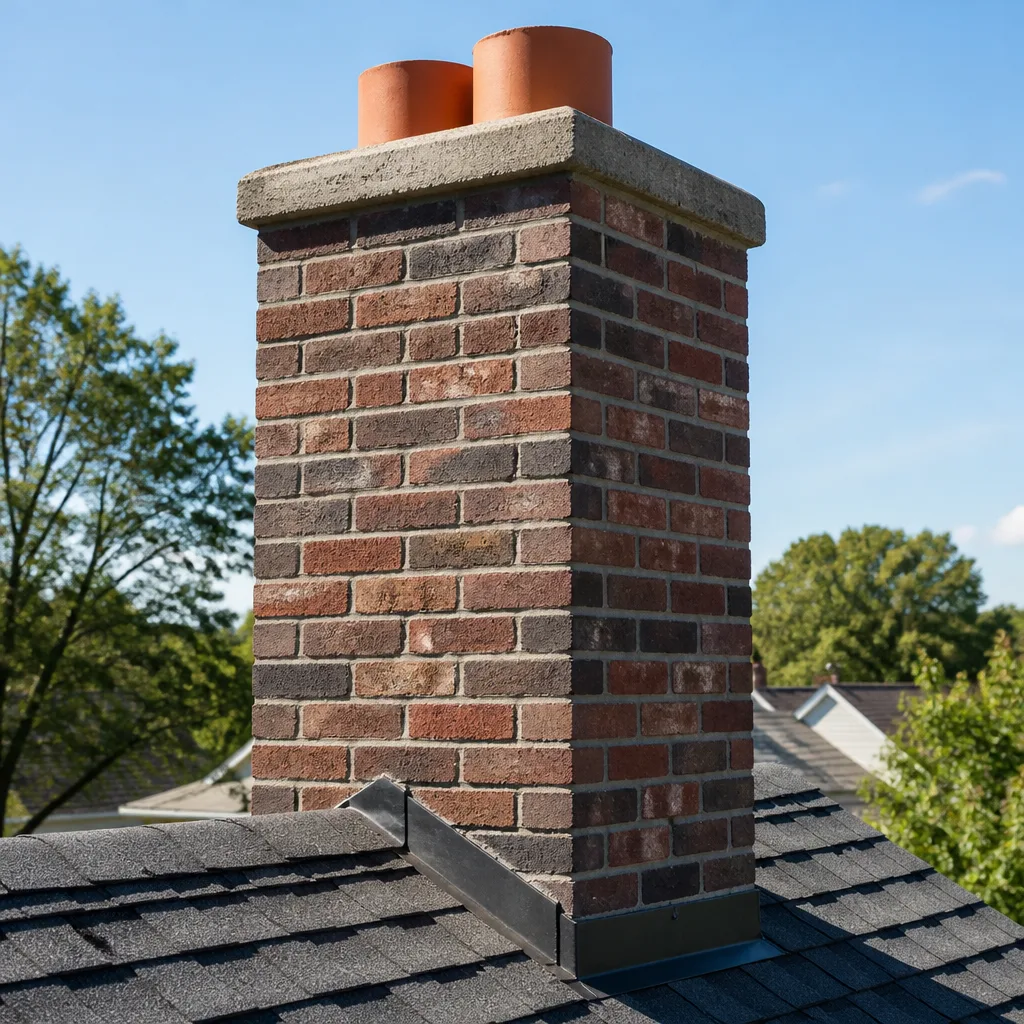 Masonry repair
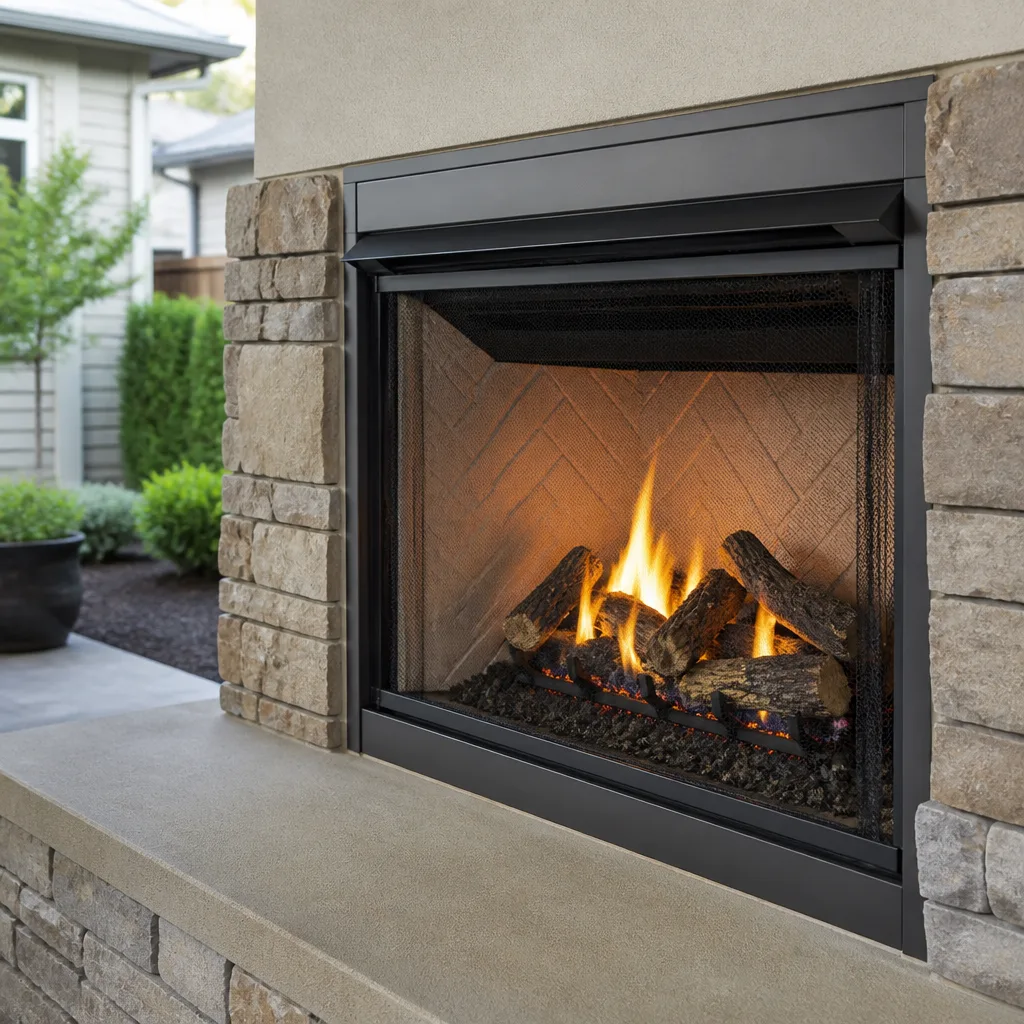 Gas fireplace service
Level 1 sweep and inspection to the NFPA 211 annual standard - flue, crown, cap, and flashing checked and photographed
Chimney sweep logs do not sweep chimneys. They loosen some creosote - which then falls where a brush and vacuum still have to collect it.
DIY vs Professional Chimney Cleaning: The Bountiful Homeowner’s Decision Guide
You can buy a chimney brush kit for about $40 and clean your own flue. That part is true, and we won’t pretend otherwise. But sweeping is the easy half. The hard half is knowing what you’re looking at once the creosote is gone, and that’s where a do-it-yourself job quietly fails. A tile liner can hold a hairline crack that the creosote was sealing shut, and the sweep is what opens it. This guide walks through what a real DIY sweep requires, what homeowners miss, what the liability picture looks like, and exactly where professional judgment in Bountiful begins.
Quick Answer
DIY chimney cleaning is physically possible for a careful homeowner with the right tools, but it only covers the sweeping. It does not cover the inspection that tells you whether the flue is safe to use afterward. For most Bountiful homeowners with a wood-burning fireplace, a professional sweep and inspection is the safer and more complete choice, and a standalone inspection is worth booking even if you sweep the flue yourself.
Styles & brands we work with
- Sweep & inspection
- Caps & crowns
- Flue relining
- Masonry repair
- Gas fireplace service
Table of Contents
- What a Genuine DIY Chimney Sweep Actually Requires
- What Homeowners Consistently Miss (and Pros Catch in Five Minutes)
- The Liability Question Nobody Thinks About Until After a Chimney Fire
- The Real Cost and Time Comparison: Equipment, Cleanup, and Disposal
- Why Bountiful Chimneys Present Specific Challenges
- The One Scenario Where DIY Genuinely Adds Value
- How a Professional Sweep and Inspection Actually Works
- A Step-by-Step Framework for Making Your Decision
What a Genuine DIY Chimney Sweep Actually Requires
Most homeowners picture a brush on a pole and a bucket. That’s the visible part of the job. A safe, complete DIY sweep needs more than that, and the gap between a brush kit and a full setup is where most amateur attempts fall short.
Here’s the equipment a genuine sweep involves:
- A correctly sized brush. The brush has to match your flue’s dimensions. A brush that’s too small skips the glaze on the walls; one that’s too large can jam or damage a tile liner. You need to know your flue size before you buy anything.
- Rods long enough for the full run. A one-story Bountiful home might need 15 feet of rod; a two-story with a basement run needs considerably more. Flexible rods handle offsets and bends better than rigid ones.
- Containment. Plastic sheeting and painter’s tape across the firebox opening, plus a drop cloth over the hearth and floor. Soot travels. It gets into carpet fibers, upholstery, and HVAC returns, and it stains.
- A proper respirator. Not a dust mask. Creosote and soot particulate is a respiratory irritant, and a sealed respirator with the right filter cartridges is the minimum.
- High-output lighting. A flashlight strong enough to reach the top of the flue and show you surface condition, not just darkness.
- A mirror or camera for the smoke shelf and damper area. These are the spots debris collects and the spots you can’t see from below with a light alone.
- Drop cloths, a shop vacuum rated for fine particulate, and disposal bags. Soot overwhelms a standard household vacuum filter quickly.
That’s the physical list. What it doesn’t include is the part that matters most: knowing what a normal flue looks like versus one with a problem. That knowledge comes from seeing hundreds of flues, and it’s not something a kit provides.
What Homeowners Consistently Miss (and Pros Catch in Five Minutes)
When we inspect a chimney a homeowner has cleaned themselves, certain problems show up again and again. They aren’t signs of carelessness. They’re signs that the person doing the work didn’t know what to look for, because nobody taught them.
Here’s what professionals check in the first few minutes that DIY sweeps routinely skip:
- Glaze versus fluff. Creosote comes in stages. Soft, flaky creosote brushes away. Glazed creosote is hard, shiny, and bonded to the liner, and brushing alone won’t remove it. A sweep who sees glaze knows the flue needs more than a brush, and most homeowners don’t recognize the difference.
- Liner integrity. A flashlight run up the flue shows cracks, spalling, and gaps between tiles. These are the cracks that matter most, and they’re easy to miss on a quick pass from below.
- The smoke shelf and smoke chamber. Debris piles up here and restricts draft. It’s also where a lot of chimney fires start. It’s out of direct sight and often skipped.
- The crown and cap. Water intrusion is the most common cause of chimney damage, and it usually starts at the top. A missing or cracked cap, or a crown with a crack, lets water in. A sweep looking from the roof sees it immediately.
- The firebox and damper. Cracked firebox mortar, a warped damper, or a damper that no longer seals are all repairable problems that get worse with use.
- Draft performance. A sweep can test how the flue actually drafts once cleared, which tells you whether the chimney will perform safely on a cold night.
None of these require exotic tools. They require a trained eye and the habit of looking. In our experience, an inspection is where the real value of professional service lives, and that’s why we offer chimney sweep and inspection as separate, standalone services. You shouldn’t have to buy a cleaning to get an honest look at your chimney.
The Liability Question Nobody Thinks About Until After a Chimney Fire
Here’s the uncomfortable part. If you clean your own chimney and a chimney fire happens a month later, there’s no third party who has any record of the flue’s condition before the fire. Nothing in writing. No photos. No report. The insurance claim process becomes an argument about what was probably there, and you’re the only witness.
When a professional sweep cleans and inspects, you get a documented record of the chimney’s condition at that point in time. If a problem existed, it was noted. If work was recommended, it was in writing. If a fire happens afterward, you have a clear trail showing the condition before and the steps taken.
There’s a second liability layer that matters just as much: a professional sweep working on your chimney carries their own insurance. If something goes wrong during the cleaning, damage to the liner or the firebox, that’s on them, not on you. If you crack a tile while sweeping with a rod that was slightly too stiff, that’s your repair to fund.
None of this is meant to be alarming. The realistic version is simpler. Documented condition is useful for insurance, for resale, and for your own peace of mind. DIY cleaning produces no documentation at all. If you’re planning to sell a Bountiful home in the next few years, a professional inspection report is one of the documents buyers ask for.
The Real Cost and Time Comparison: Equipment, Cleanup, and Disposal
The brush kit is the cheapest part of DIY cleaning. The true cost includes everything that goes into a complete job, and it’s worth adding up honestly before committing.
Here’s the line-item picture for a typical Bountiful wood-burning fireplace:
- Brush kit matched to flue size: $40 to $90
- Rods long enough for your run: $60 to $150, depending on length and flexibility
- Respirator with proper cartridges: $30 to $60
- Containment plastic, tape, drop cloths: $25 to $50
- High-output flashlight: $25 to $75
- Shop vacuum rated for fine particulate (or filter replacements for one you own): $40 to $120
- Disposal bags and protective gloves: $15 to $25
- Your time: Two to four hours for a first-time job, including setup and cleanup
Add that up and a first DIY sweep runs somewhere in the neighborhood of $200 to $500 in equipment alone, plus an afternoon. If you sweep annually, the equipment pays for itself over several years. If you sweep once and hire a professional going forward, you’ve spent the equipment money for a single job.
Professional cleaning in the Bountiful area is typically priced per job by written estimate, and the estimate is free. The price includes the sweep, the inspection, a photo report, and disposal. You supply none of the equipment and clean up nothing afterward.
The real comparison isn’t brush kit versus professional sweep. It’s total equipment cost plus your time plus the missing inspection versus a complete job with documentation. For homeowners who plan to sweep every year for the next decade, DIY can pencil out. For a single cleaning or an inspection-driven visit, professional work usually comes out ahead.
Why Bountiful Chimneys Present Specific Challenges
Bountiful sits along the Wasatch Front with cold winters and a real burn season that runs from late fall into early spring. That’s a lot of consecutive fire time for a chimney to handle, and it means creosote accumulates faster than in milder climates. Homes near the foothills, in neighborhoods like the streets off Bountiful Boulevard, deal with wind exposure that affects draft, and older homes in the Bountiful grid near Main Street often have original masonry chimneys that need careful handling.
The local housing stock matters too. A lot of Bountiful homes were built decades ago with clay tile liners, and tile cracks over time as the chimney heats and cools through the seasons. A new fireplace insert in an older Bountiful home can put more heat into a liner than the original chimney was designed for, and that accelerates wear. We install and repair with professional-grade materials like DuraFlex and Olympia Chimney because liners in Bountiful’s climate take a real beating and off-the-shelf substitutes don’t hold up.
Bountiful’s air quality rules during inversion periods also affect how people burn. When the valley traps cold air and smoke, homeowners burn hotter or longer to compensate, and that means more creosote. Whether you clean yourself or hire us, keeping the flue clear before the burn season starts is the single most effective thing you can do in Bountiful.
The One Scenario Where DIY Genuinely Adds Value
There is a place for DIY in a healthy chimney routine, and it isn’t the annual cleaning. It’s the mid-season visual check.
Between professional cleanings, you can look. Not sweep, look. A flashlight down the flue from the damper, a check of the firebox for new cracks, a look at the cap from the ground with binoculars, a glance at the creosote line on the firebox walls. These checks take five minutes, they don’t require equipment beyond a good flashlight, and they can catch a change early.
What to look for during a mid-season check:
- Visible soot or creosote buildup on the firebox walls or the damper
- New cracks in the firebox mortar or the firebrick
- A cap that’s loose, dented, or missing pieces
- Draft that feels weaker than it did earlier in the season
- Smoke entering the room when you start a fire
If you see any of those, stop burning and book an inspection. If the flue looks the same as it did after your last professional cleaning, keep burning and schedule the next cleaning at the usual interval. That’s the balance. DIY visibility between professional sweeps is useful; DIY cleaning as a substitute for inspection is where things go wrong.
How a Professional Sweep and Inspection Actually Works
A professional chimney service in Bountiful follows a sequence, and understanding it helps you see what you’re paying for and why it’s more than a cleaning.
- Exterior check first. From the roof, the technician looks at the cap, the crown, the flashing, and the chimney’s overall condition. Water intrusion problems show up here before they show up inside.
- Firebox and damper inspection. The technician checks the firebox, the damper, and the smoke shelf before any sweeping, so the pre-sweep condition is documented.
- The sweep. Using correctly sized brushes and rods, the technician cleans the flue from top to bottom with containment in place. Debris is collected and removed.
- Post-sweep inspection with camera and light. The flue is checked again with a camera or high-output light. This is the step that catches cracks, glaze, and liner damage that the sweep revealed.
- A photo report. You get images of what was found, not just a description. You can see the condition yourself, which matters if you’re deciding whether to fund a repair.
- Recommendations, inspect first and recommend second. If repairs are needed, the technician explains what, why, and whether anything can safely wait.
That sequence is what turns a cleaning into a safety check. If a repair is needed, we handle it start to finish, whether that’s fireplace repair, chimney repair, or a HeatShield resurfacing job that extends the life of a liner without replacing it. You don’t get handed off between a sweep-only outfit and a repair-only contractor. The same company that finds the problem is equipped to fix it, using professional-grade components like Gelco and Copperfield where they’re the right fit.
A Step-by-Step Framework for Making Your Decision
Here’s a practical way to decide whether your Bountiful chimney is a DIY job or a professional one. Work through the questions in order and the answer usually becomes clear.
- When was the last professional inspection? If it’s been more than a year, or you don’t know the answer because you’ve recently bought the home, book an inspection before anything else. DIY sweeping doesn’t substitute for that first look.
- Do you know your flue size and liner type? If not, you can’t buy the right brush, and you don’t know whether your liner is clay tile or something else. That’s a knowledge gap to close before you touch anything.
- Have you ever seen the inside of your flue with high-output light? If not, you don’t know whether the liner is intact, glazed, or already damaged. Sweeping a flue you’ve never inspected is guesswork.
- Is this a routine annual cleaning or a problem visit? Routine cleaning of a healthy flue is more forgiving. A visit driven by smoke entering the room, unusual smells, or a draft problem is not a DIY situation.
- Do you want a documented record of condition? If you’re selling, buying insurance, or want a paper trail in case of a future problem, a professional report is the way to get one.
- Are you prepared for the equipment and cleanup? If the answer to the equipment list earlier in this guide sounded like a lot, that’s your answer.
If you work through those and still want to sweep the flue yourself, book a standalone inspection instead. We’ll look at the chimney, give you the photo report, and tell you whether the flue is safe to clean on your own. That’s Chimney Sweep Bountiful operating the way we think it should, with inspection as its own service, not a bundle you have to buy.
Common Mistakes to Avoid
- Buying a brush before knowing the flue size. A brush that’s too large can jam a tile liner, and one that’s too small leaves creosote on the walls. Measure the flue first, then buy the brush.
- Sweeping without containment. Soot goes everywhere. It gets into carpet, upholstery, and HVAC returns, and it stains permanently. The sheeting and drop cloths aren’t optional.
- Skipping the smoke shelf and smoke chamber. These are out of direct sight and they’re where debris collects and chimney fires often start. Many DIY sweeps never clean them.
- Brushing off glazed creosote and calling it done. Glaze is shiny, hard, and bonded to the liner. A brush doesn’t remove it. If your flue is glazed, the job isn’t finished.
- Cleaning without inspecting before or after. The pre-clean look tells you what was there. The post-clean look tells you what the sweep revealed. Both matter, and most DIY sweeps have neither.
- Never checking the crown and cap. Water intrusion is the most common chimney problem, and it usually starts at the top. In Bountiful’s freeze-thaw cycle, a hairline crack in the crown grows quickly. A look at the cap and crown from the roof is part of every professional visit.
- Assuming an annual sweep is enough. In Bountiful’s long burn season, some chimneys need cleaning more than once a year depending on how hot the fires burn. A professional can tell you the right interval for your chimney.
See the difference
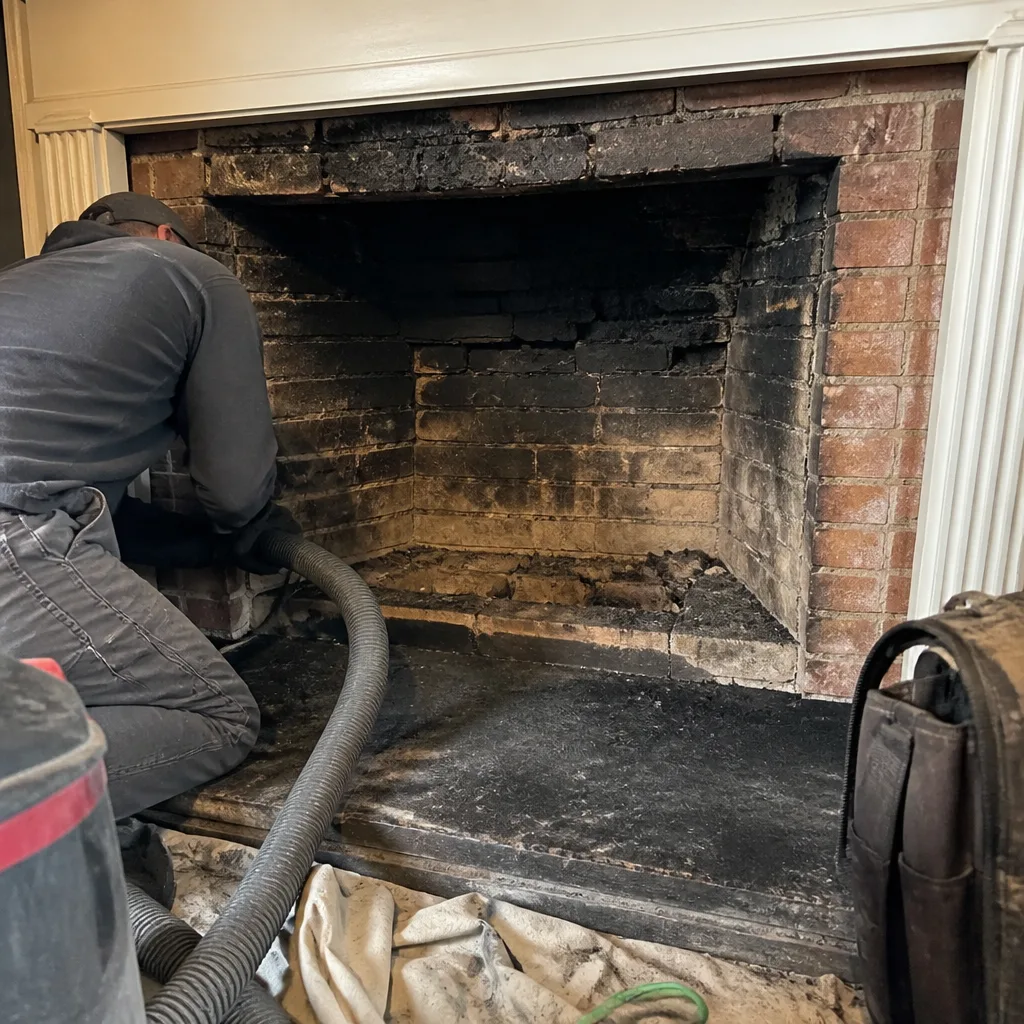 Before
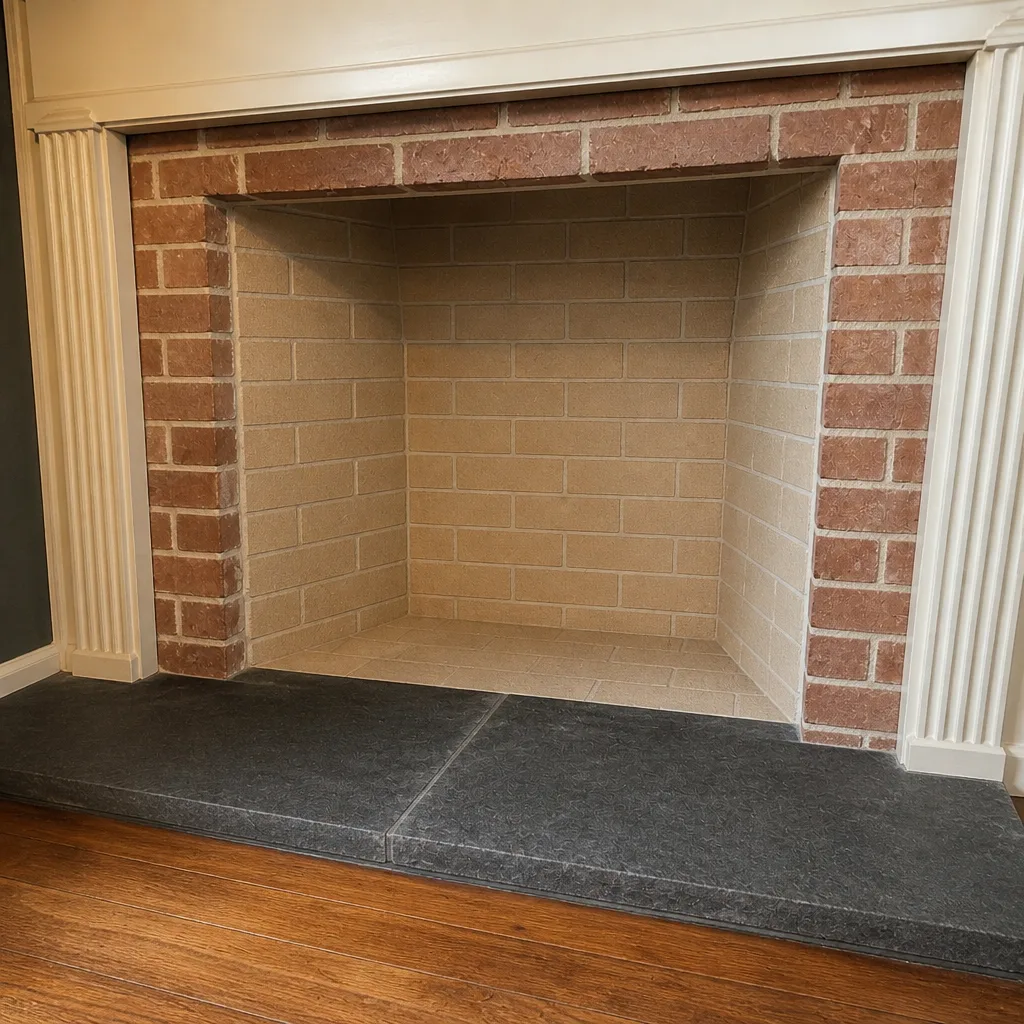 After
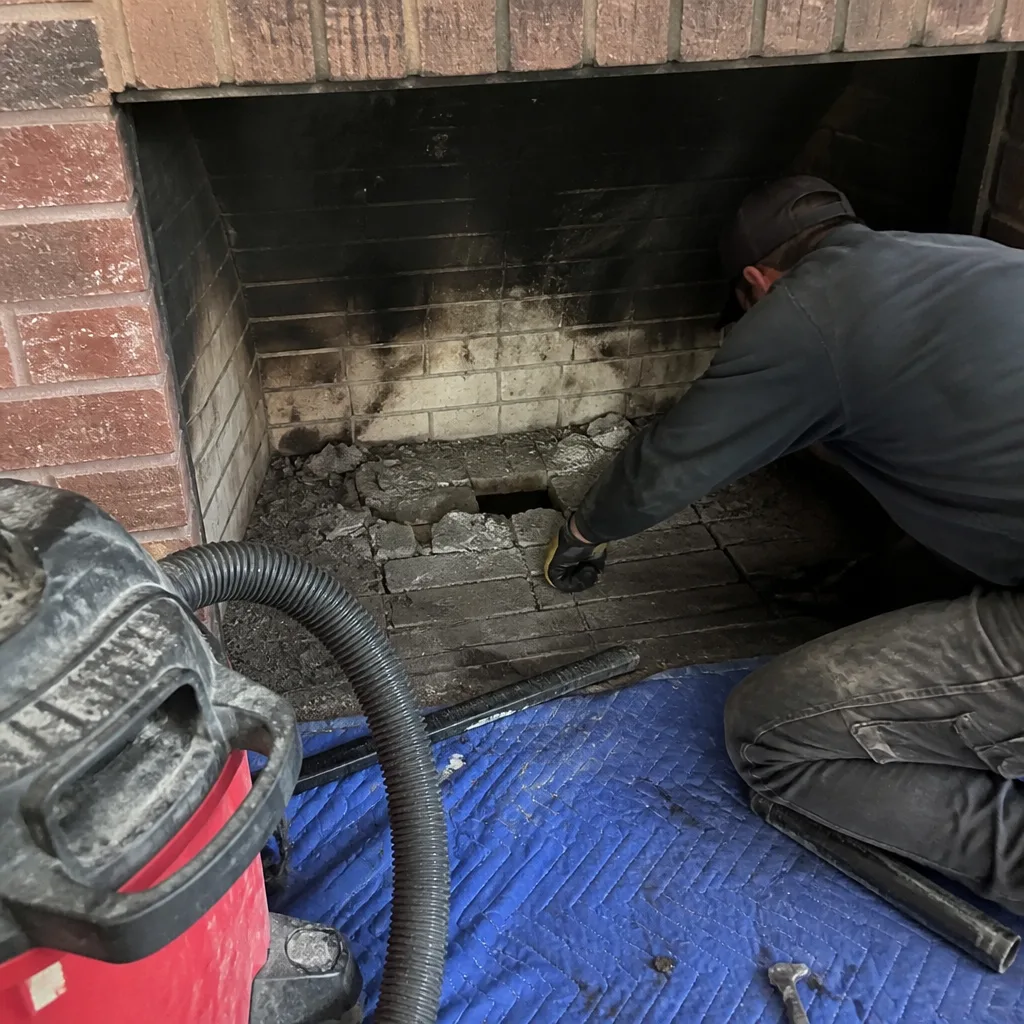 Before
 After
 Before
 After
When to Call a Professional
Call a professional when any of these apply: you’ve never had the chimney inspected, you’ve recently bought the home, you see visible creosote glaze, you smell smoke in the house when the fireplace isn’t running, the cap or crown is damaged, or your liner type is unknown. Also call if you’re planning liner work, since DIY liner repair isn’t a real option. A trained technician sees what a homeowner can’t, and the documentation matters. Chimney Sweep Bountiful offers free estimates in Bountiful, and we answer 24/7. Call (833) 482-6554 for a free estimate.
Frequently Asked Questions
Once a year for most wood-burning fireplaces, and more often if you burn frequently or notice heavy creosote buildup. In Bountiful’s cold-winter climate the burn season runs long, so some chimneys need a mid-season check as well. Call (833) 482-6554 for an exact quote, and estimates are free.
You can sweep a healthy flue safely with the right equipment and containment. What you can’t do safely is judge whether the flue is healthy before or after you sweep it. The cleaning is doable; the inspection isn’t a DIY task. If you’re unsure about your liner’s condition, book an inspection first. Call (833) 482-6554 for an exact quote, and estimates are free.
A sweep cleans the flue. An inspection evaluates its condition and safety. They’re different services, and at Chimney Sweep Bountiful we offer inspection as a standalone service so you can get an honest look at your chimney before committing to any repairs. Call (833) 482-6554 for an exact quote, and estimates are free.
It can. A professional cleaning produces a documented record of the chimney’s condition, which matters if a fire happens and a claim is filed. DIY cleaning leaves no record, and the condition of the flue before a fire becomes difficult to establish. Call (833) 482-6554 for an exact quote, and estimates are free.
You need liner repair only if the inspection finds a real problem, and you should never be asked to take that on faith. Every repair recommendation should come with a photo report showing the condition. If the liner is intact, no repair is necessary, and we say so. Call (833) 482-6554 for an exact quote, and estimates are free.
Professional chimney cleaning in Bountiful is typically priced per job by written estimate, and the estimate is free. Price depends on the flue length, the chimney’s condition, and whether an inspection is included. The written estimate sets the final price before any work begins. Call (833) 482-6554 for an exact quote, and estimates are free.
The Bottom Line
DIY chimney cleaning is possible, and it covers the sweeping. What it doesn’t cover is the inspection, the documentation, the liability record, or the trained eye that catches a cracked liner before it becomes a problem. For a Bountiful homeowner with a healthy flue and a routine annual cleaning, DIY can work. For anyone who’s never had the chimney inspected, just bought a home, or sees any sign of a problem, a professional sweep and inspection is the safer and more complete choice. Inspect first, recommend second. That’s the order that keeps your chimney safe to burn.
If your chimney hasn’t been inspected this season, call Chimney Sweep Bountiful at (833) 482-6554 for a free estimate. We answer 24/7. Fast dispatch from 7am to 7pm, Sunday through Friday. You’ll get a written estimate before any work begins, a photo report you can see for yourself, and one company that handles the sweep, the inspection, and any repair start to finish.
Written by the team at Chimney Sweep Bountiful.