
Last updated November 24, 2026
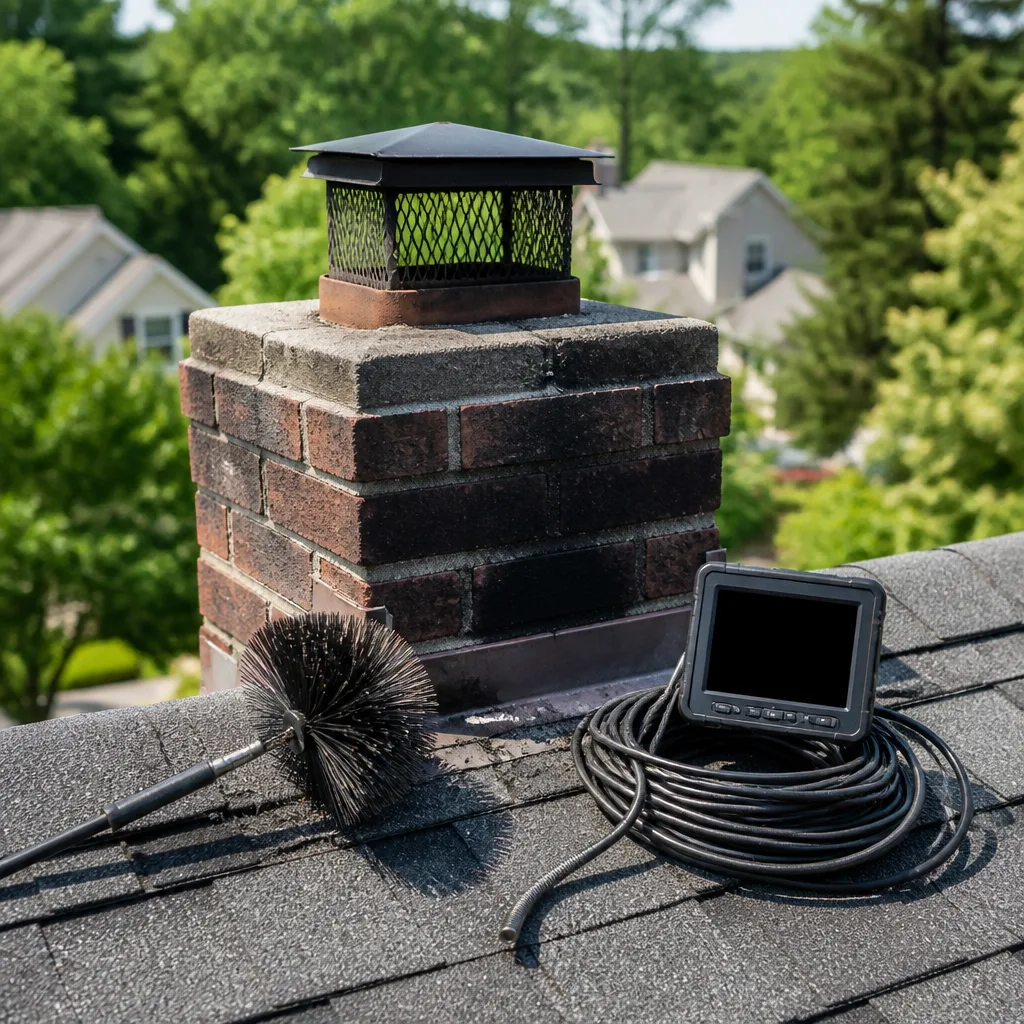 Sweep & inspection
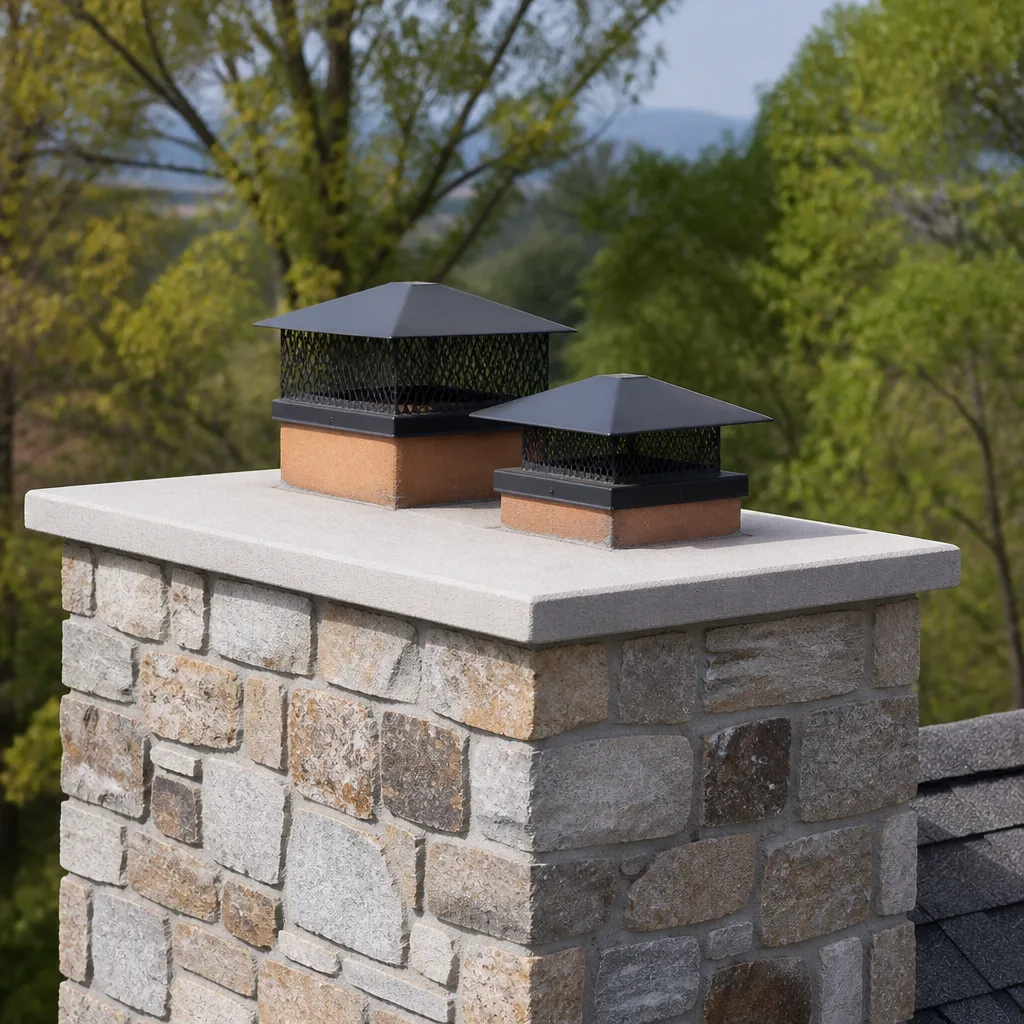 Caps & crowns
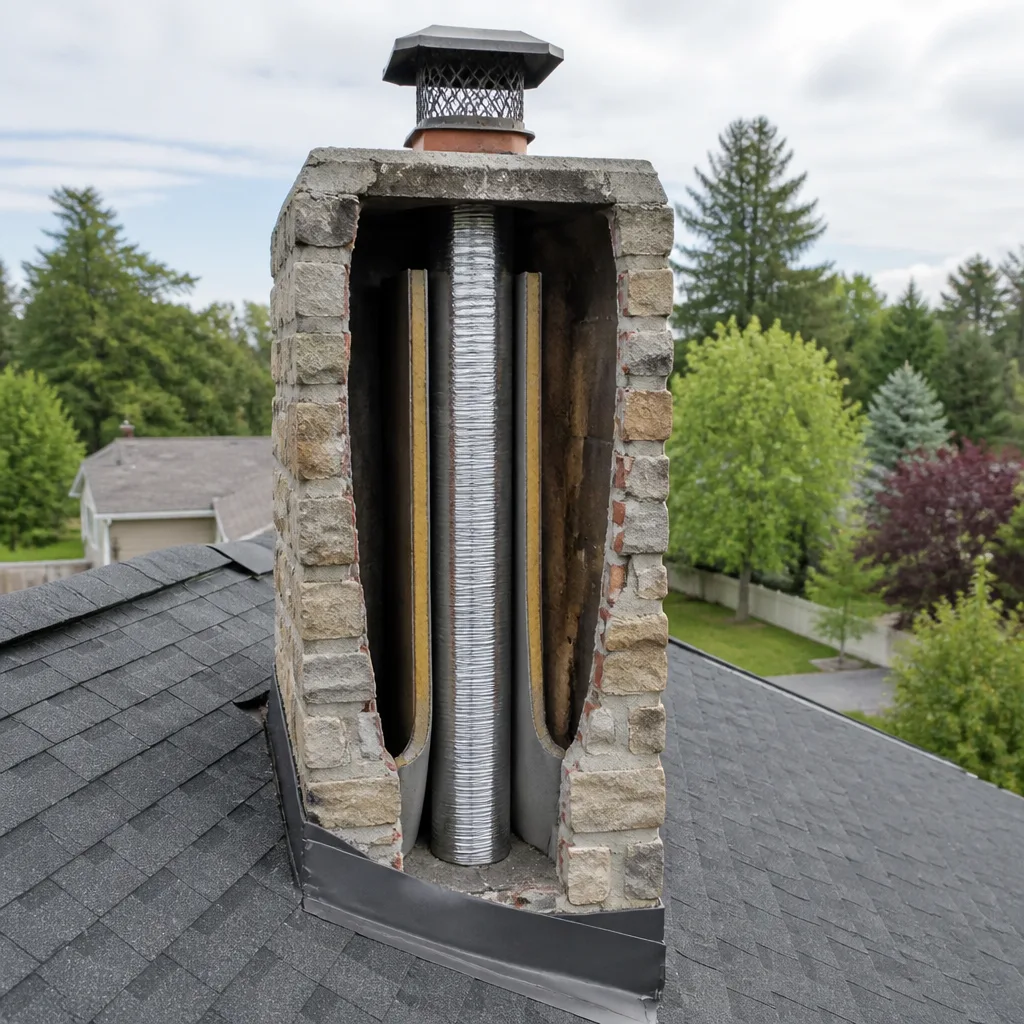 Flue relining
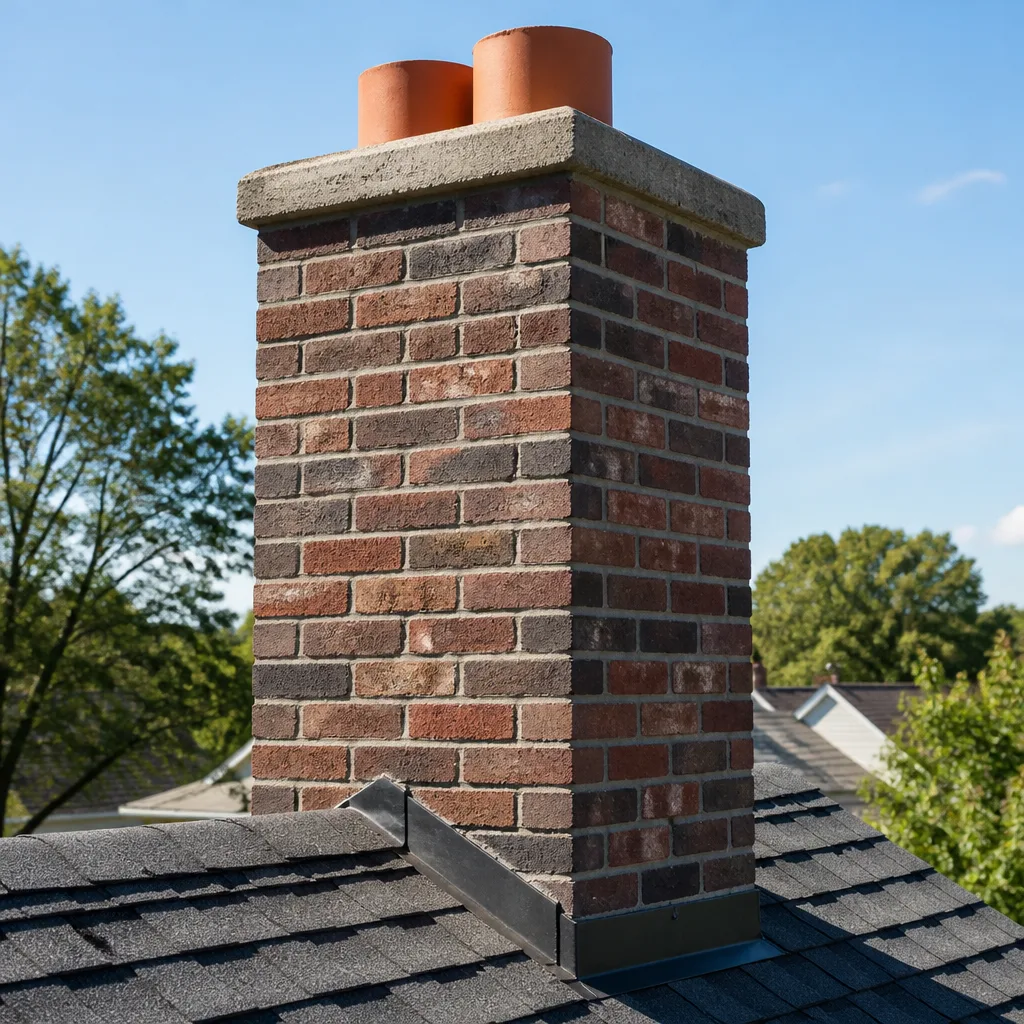 Masonry repair
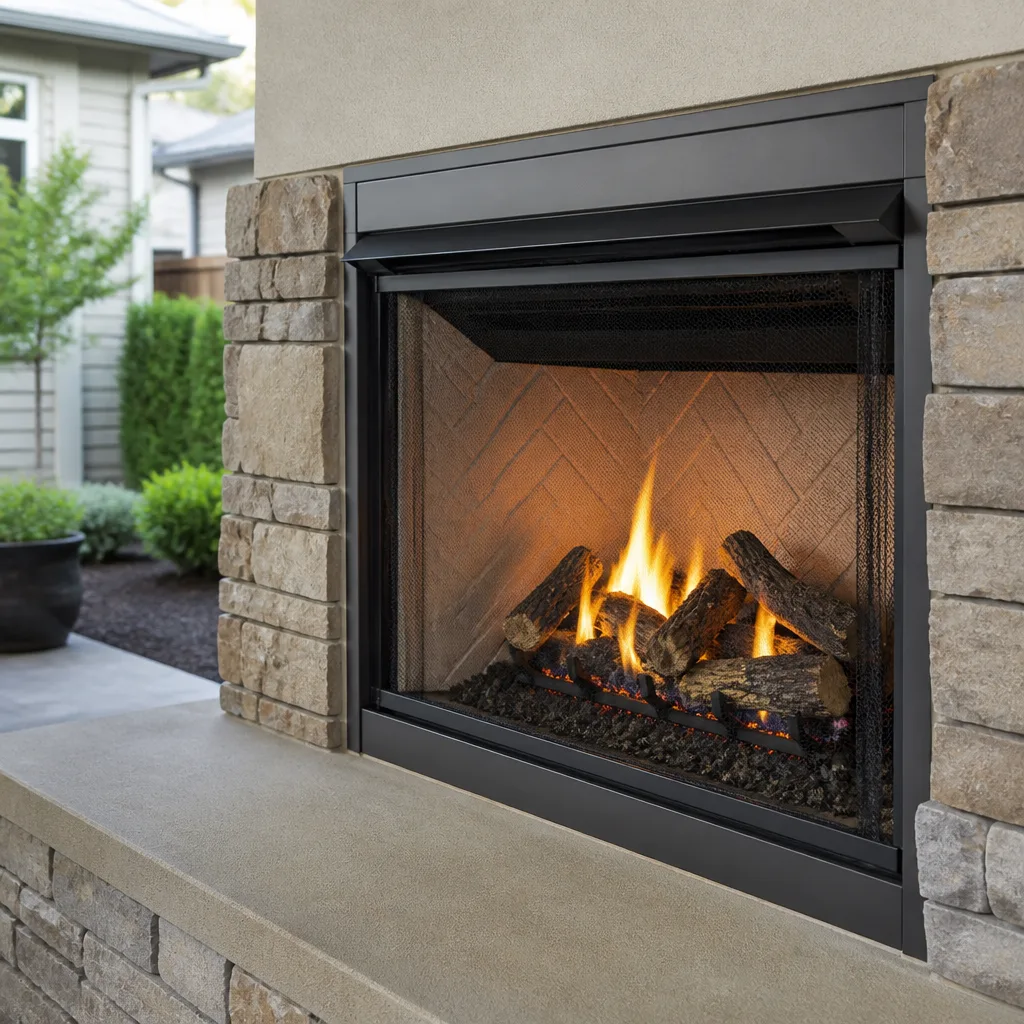 Gas fireplace service
Level 1 sweep and inspection to the NFPA 211 annual standard - flue, crown, cap, and flashing checked and photographed
Chimney sweep logs do not sweep chimneys. They loosen some creosote - which then falls where a brush and vacuum still have to collect it.
Seasonal Chimney Cleaning Care for Bountiful: Year-Round Homeowner’s Guide
Scheduling your chimney sweep in October feels responsible. By then, though, summer’s UV degradation has already compromised your crown sealant, and fall rain has already worked into cracks that opened in spring. Timing matters more than most homeowners in Bountiful realize. Chimney care isn’t one annual appointment; it’s a rotation of tasks that follows what the masonry, the flue, and the cap are actually going through each season. This guide breaks the year into four passes at the chimney, explains what each season does to it, and shows you where to look when something starts to go wrong. Read it once and you’ll know why October is too late to start.
Quick Answer
Chimney care in Bountiful works best as four seasonal passes: a spring inspection and repair window after the burn season closes, summer work for structural repairs and flue resurfacing while weather is dry, fall prep that goes past scheduling a sweep (damper sealing, cap checks, animal exclusion), and mid-winter monitoring for performance warning signs. A single autumn sweep is not enough. The chimney takes damage in every season, and the repair that prevents it belongs in the season before the damage would show up.
Styles & brands we work with
- Sweep & inspection
- Caps & crowns
- Flue relining
- Masonry repair
- Gas fireplace service
Table of Contents
- Why Bountiful’s Climate Is Hard on Chimneys
- What Freeze-Thaw Does to Bountiful Masonry
- Spring: The Post-Season Inspection Window
- Summer: The Right Season for Repairs
- Fall: Preparation Beyond the Sweep
- Winter: Reading the Warning Signs
- The Year-at-a-Glance Chimney Calendar
- A Year-Round Homeowner Checklist
Why Bountiful’s Climate Is Hard on Chimneys
Bountiful sits at the base of the Wasatch foothills, and that position gives its chimneys a specific set of problems. Winter brings snow that sits on crowns and caps and melts slowly in the daytime sun, then refreezes at night. Spring swings between warm afternoons and cold mornings, so the masonry cycles through expansion and contraction many times in a single month. Summer is hot and dry with strong high-altitude sun, which ages sealants and crown coatings faster than most homeowners expect. Fall sends wind-driven rain against the uphill faces of caps and crowns.
Each of those seasons leaves a mark. The problem is that the marks from one season cause the damage in the next. A hairline crack that opens in spring lets water in during fall, and that water freezes and widens the crack over the following winter. Left alone long enough, the pattern repeats until a small repair becomes structural masonry work.
What makes Bountiful unusual isn’t any one of those stresses. It’s that all four show up in a single year. In places with a milder climate, one warm-weather inspection really can catch most problems. Here, the chimney is being worked on by weather almost continuously.
Add the housing stock. Many homes in Bountiful were built decades ago, and their chimneys were designed for wood fires and the flue conditions of that era. Whether that flue has been relined, whether the crown is original, and whether the cap is intact all change how fast the seasonal damage moves. That’s why the first thing worth doing is a proper inspection, not a guess.
We handle the full chimney lifecycle, so our view of a Bountiful chimney isn’t limited to the inside of the firebox. That matters when we’re deciding whether a problem is cosmetic or whether it’s heading somewhere more serious.
What Freeze-Thaw Does to Bountiful Masonry
Freeze-thaw is the single most important process to understand about a Bountiful chimney. It works like this: water gets into a small crack, a porous mortar joint, or the top of the crown. Overnight, temperatures drop below freezing and that water expands as it turns to ice. The expansion pushes the crack wider. The next day it melts and runs deeper. Repeat that cycle dozens of times across a spring, and a hairline crack can become a real opening.
Bountiful is ideal for this pattern because of its diurnal swing. Winter and early-spring days are often warm enough to melt snow and ice on a south-facing crown, and the nights are cold enough to freeze it again. That’s the exact recipe for the cycle to run over and over.
Where freeze-thaw damage first shows up
- The crown. It’s the horizontal top of the chimney, and it takes the most direct weather. Cracks in the crown are the most common entry point for water.
- Mortar joints. Soft or receded mortar between the bricks gives water a place to sit.
- The cap. A missing, damaged, or loosely fitted cap lets water down the flue and lets animals in.
- The flashing. Where the chimney meets the roof, gaps let water work behind the masonry.
How to interrupt the pattern
- Inspect the crown and cap each spring and look for new cracks, spalling, or loosened pieces. Photograph anything questionable so you can compare year to year.
- Repair cracks and reseal the crown in warm, dry weather, before fall rain can find them.
- Repoint soft mortar before it recedes far enough that the bricks above start to shift.
- Confirm the cap is present, well-fitted, and screened. It’s the cheapest defense against the whole cycle.
- Schedule a professional inspection of the flue and firebox, not just the exterior. Water damage often starts on the outside and shows up inside.
There’s also a safety side to this. Cracked masonry, damaged flue tiles, and gaps in the crown can allow combustion gases to escape into the house instead of up the flue. That’s a carbon monoxide concern, not just a cosmetic one. If you see damage and you have a wood-burning fireplace you’re using, stop burning and have it inspected before you light another fire. We won’t give you a step-by-step for repairing masonry yourself because this is genuinely a job for a trained professional.
Spring: The Post-Season Inspection Window
Spring is your first real chance to look at the chimney after a full burn season, and it’s the best time to catch what winter left behind. The fires are done for the year, the weather is warming up, and there’s a whole summer ahead to get any repair done before the next heating season. That ordering matters: a spring inspection gives you the full warm-weather window to schedule work.
What a spring inspection covers
- The condition of the flue: creosote levels, any cracked or missing tiles, obstruction.
- The firebox and damper: cracks, rust, difficulty operating the damper.
- The exterior: crown, cap, flashing, mortar joints, spalling brick.
- The smoke chamber and the areas around the chimney where it passes through the roof.
Scheduling a standalone inspection is different from bundling it into a sweep. An inspection gives you a clear condition report on the whole system. That’s particularly useful if you bought a home in Bountiful recently and have no idea what the previous owner did or didn’t do to the chimney. It’s also useful if you’re planning to sell.
If a sweep is needed, spring is also a practical time to schedule one. You’ll start the next burn season with a clean flue instead of waiting for an autumn backlog. Get the chimney sweep done in the spring, and the fall appointment that everyone else is booking becomes one less thing on your list.
The spring appointment is also when we look at what the season has done to the structure. In our experience, this is the point in the year where small damage is easiest and cheapest to address, because it hasn’t had a summer to grow or a fall of rain to feed it. Inspect first, recommend second: if we don’t see it, we don’t sell it.
Summer: The Right Season for Repairs
Summer is the best time to do chimney repairs in Bountiful, and it’s the opposite of what most homeowners do. Most people wait until fall, when the first cold snap has them thinking about fireplaces, and schedule a sweep and hope everything’s fine. By then, summer’s UV degradation has already done its damage to the crown sealant, and the repair window has shrunk. Doing the work in summer gives it dry curing weather and leaves a full fall and winter of protection ahead.
Why summer is the repair window
- Coatings, sealants, and masonry repairs need dry, stable weather to cure properly. Summer delivers that.
- If a repair turns up something bigger – a damaged liner, a soft flue – there’s still time to plan and complete it before the burn season.
- The chimney surfaces are reachable without snow or ice, and the access is safer for the crew.
- You’re not competing with the autumn rush for scheduling.
What gets done in summer
- Crown and cap work. Crown resealing or repair and cap installation are among the most effective preventive steps, because they address the two most common causes of water intrusion. In summer, there’s time for the work to settle before fall.
- Flue resurfacing. For a damaged but structurally sound flue, we use the HeatShield ceramic flue resurfacing system, which is a manufacturer-recognized repair method. It can extend a chimney’s life without a full liner replacement, which costs less than a full reline and is a solution most generalist contractors don’t offer.
- Liner work. When a reline is the right call, we install using professional-grade materials, and we stock installs from a curated lineup that includes Gelco and Olympia Chimney.
- Masonry repair. Repointing, spall repair, and any structural work.
- Fireplace repair. Cracks in the firebox, damper issues, and other problems that turned up in the spring inspection.
If you’ve put off chimney repair, summer is the season to stop putting it off. The heat and UV will keep degrading the crown coating while you wait, and the repair won’t get any cheaper by fall. Get an estimate now and let the work cure over the dry months.
Fall: Preparation Beyond the Sweep
The autumn sweep gets all the attention, but fall prep goes further than that. By the time fall arrives, the summer’s damage has already happened and the season’s real job is to make sure nothing from spring or summer is now a problem before you light fires again. Fall is when you close the loop.
Fall steps in order
- Confirm the sweep is current. If it was done in spring, you’re already ahead. If not, book it now, before the cold-weather rush.
- Check and seal the damper. A damper that won’t close fully lets heated indoor air escape up the chimney all winter. A damper that’s stuck open is also a path for cold air and a place for water to sit. It should operate smoothly and seal.
- Examine animal exclusion. Fall is when small animals, birds, and insects look for a way in. A properly screened cap is the simplest defense. If your cap is missing or damaged, replace it now.
- Reseal any crown cracks that appeared over the summer. Don’t let them carry into winter.
- Check flashing and roof-level joints. Fall rain will find any gap. This is a home-protection item, not just a chimney one.
- Stock the firewood correctly. Seasoned wood, stored off the ground and away from the house, burns cleaner and produces less creosote. Wet or green wood is the biggest cause of heavy creosote loads.
Each of those is a small task. Together, they’re the difference between a chimney that’s ready for the season and one that’s waiting for a cold night to reveal a problem. Inspect first, recommend second, and you’ll only ever pay for what the chimney actually needs.
Winter: Reading the Warning Signs
Winter is when the chimney is under its heaviest load, and it’s important to watch for signs it’s underperforming before a dangerous situation develops. Creosote builds up inside the flue as wood burns, and that buildup is the fuel that turns a chimney fire from a nuisance into a structural event. You don’t need to inspect the flue yourself, but you can watch for symptoms from the house.
Warning signs to watch for
- Smoke backing into the room when you light a fire. It can signal an obstruction or a flue that isn’t drawing properly.
- A strong, acrid creosote smell even when there’s no fire burning.
- Poor draft – the fire is slow to catch, the flames are lazy, or the flue doesn’t pull.
- Soot or creosote staining around the damper, the firebox, or the chimney face.
- A crackling or roaring sound during a burn that’s louder than a normal fire.
- Visible damage to the crown, cap, or masonry, especially after a freeze overnight.
A carbon monoxide concern belongs on that list. If you have any reason to worry about how your chimney is performing, or if a carbon monoxide alarm sounds, get everyone out of the house and call for help from outside. Don’t light a fire again until the system has been inspected and cleared.
It’s not scare-selling to say this plainly. Chimney fires are dangerous, and creosote buildup is the most common cause. The reason we take it seriously is not to sell you anything – it’s because a safe flue is the entire point of the work. If we don’t find a problem, we’ll say so, and if something can safely wait, we’ll tell you to wait.
If you’re seeing these signs mid-winter, don’t wait for the thaw. We answer 24/7. A call outside dispatch hours is booked into the next opening, Sunday through Friday, 7am to 7pm.
The Year-at-a-Glance Chimney Calendar
Here’s the full year laid out as a checklist. Use it to plan appointments in Bountiful and to know what each season is for. The point isn’t to do everything at once; it’s to put the right task in the right month.
| Season | Main task | What it protects |
|---|---|---|
| Spring | Post-season inspection; sweep if needed; note any damage | Catches winter damage early with the whole year to repair it |
| Summer | Crown/cap repair, flue resurfacing, liner work, masonry repair, fireplace repair | Dry curing weather; protects before fall rain and winter use |
| Fall | Confirm sweep, damper seal, animal exclusion, crown reseal, flashing check | Stops water intrusion and heat loss during heating season |
| Winter | Monitor draft, smell, staining, sound; inspect if anything seems off | Early detection of creosote and performance problems |
A common assumption is that chimney care is a winter thing because that’s when you use the fireplace. It’s the reverse. Winter is when you use it, so the care happens in the other three seasons. Scheduling your sweep and repair in spring and summer is what makes winter safe and easy.
If you only remember one thing from this calendar, make it this: get an inspection in spring, and let the results dictate the summer and fall work. That sequence is the whole strategy. One company, every chimney service, means that the inspection, the sweep, the repair, and the cap are all handled by the same specialists who saw the inspection report.
A Year-Round Homeowner Checklist
Here’s a condensed checklist you can keep and follow. It doesn’t replace a professional inspection, but it helps you notice things between appointments and decide when to call.
Every month
- Look at the chimney from the yard for visible cracks, missing mortar, or cap damage.
- Check that the damper opens and closes smoothly.
- Listen for unusual sounds during burns.
Each spring
- Book a standalone inspection; schedule a sweep if it’s due.
- Note crown cracks and photograph them.
- Check the firebox and damper for rust or cracks.
Each summer
- Complete any crown, cap, flashing, or masonry repairs.
- Have any flue damage resurfaced with HeatShield or relined with professional-grade materials like Gelco or Olympia Chimney.
- Repair any fireplace problems surfaced in spring.
Each fall
- Confirm the sweep and inspection are current.
- Seal the damper and check animal exclusion.
- Reseal crown cracks and inspect flashing.
- Stock seasoned firewood correctly.
Each winter
- Watch for smoke backing up, acrid smell, poor draft, and staining.
- Test carbon monoxide alarms to confirm they work.
- Call if anything concerns you.
None of these require special tools or skills. They’re the observations a homeowner can make from the ground, and they help you spot the moment when a small repair is still small.
Common Mistakes to Avoid
- Waiting for fall to do everything. By October, the summer sun has already aged the crown coating and the fall rain has started. Spread the work across the year instead of piling it into one appointment.
- Treating the sweep as the whole job. A swept flue is clean, not safe. If the crown, cap, or flashing is compromised, the sweep doesn’t fix the water intrusion or the structural problems underneath.
- Skimping on the cap. A missing or damaged cap is one of the two most common causes of water intrusion, and it’s also the easiest way for animals to get in. It’s the least glamorous and most valuable piece on the chimney.
- Burning wet or green wood. Unseasoned wood produces more creosote and more smoke. In Bountiful’s cold season, that’s the fastest route to a heavy creosote load.
- Hiring a sweep-only contractor and a separate repair contractor. It creates a hand-off problem, where neither contractor owns the whole system. One company for every chimney service avoids that split.
- Ignoring a spring crack because the fire still works. A working fire doesn’t mean a sound chimney. A crack in the crown or flue can still be letting water and gases where they shouldn’t go.
- Assuming a new home means a sound chimney. A recent purchase in Bountiful tells you nothing about what the previous owner did. A standalone inspection gives you the condition report you need before you light a fire.
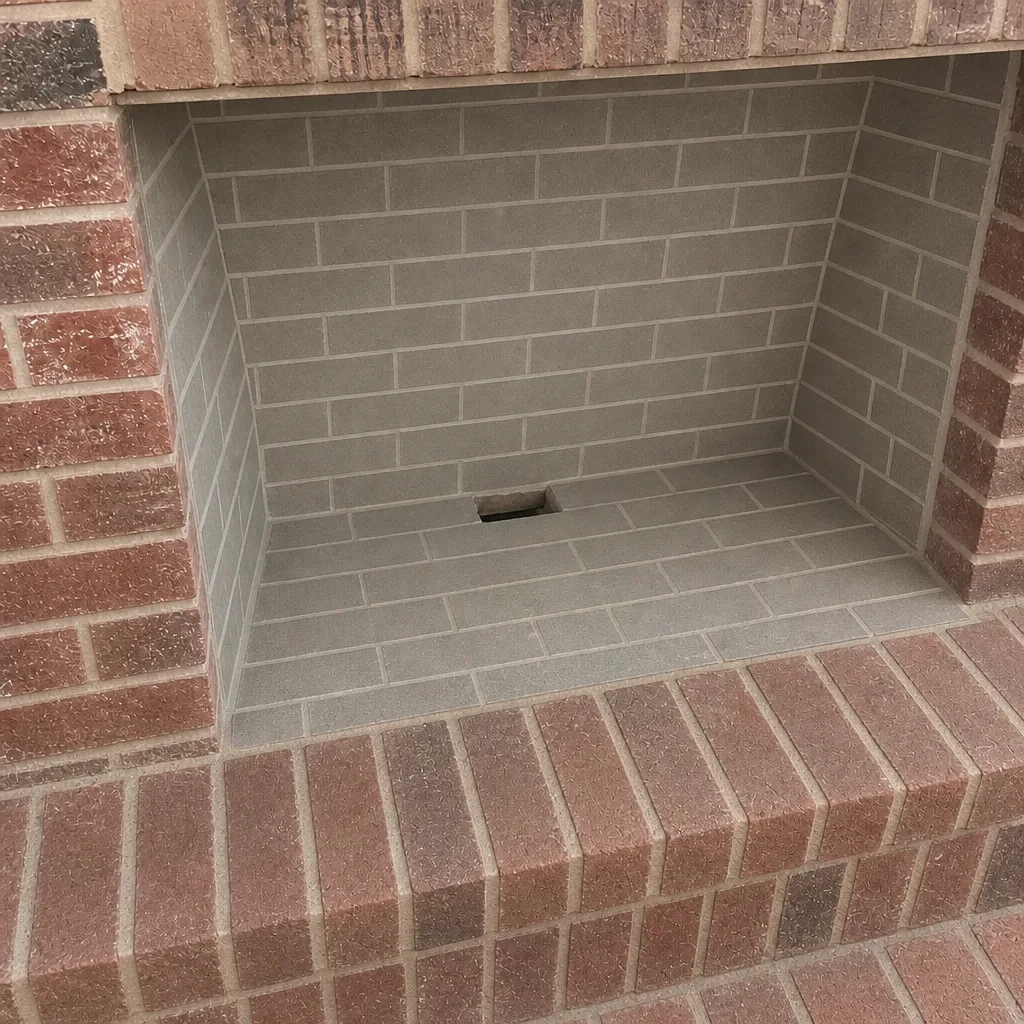
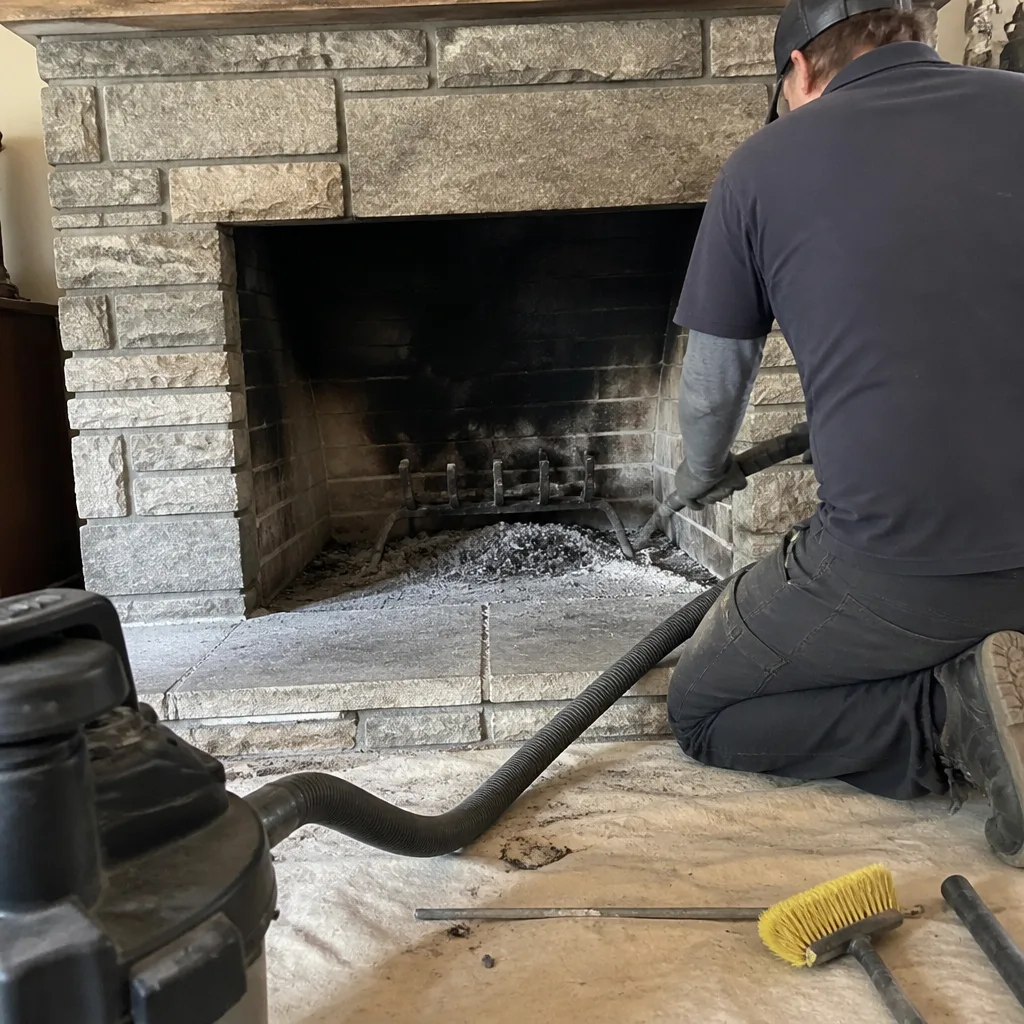
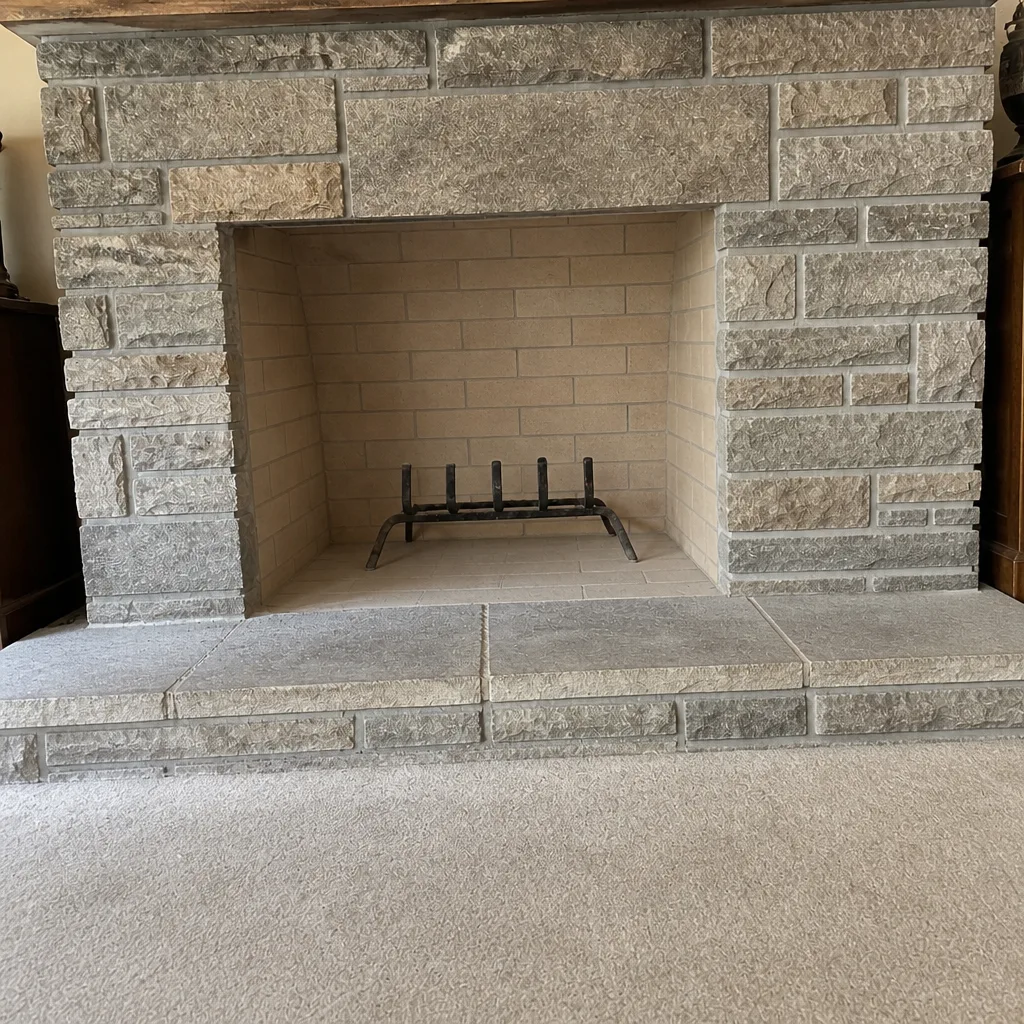
See the difference
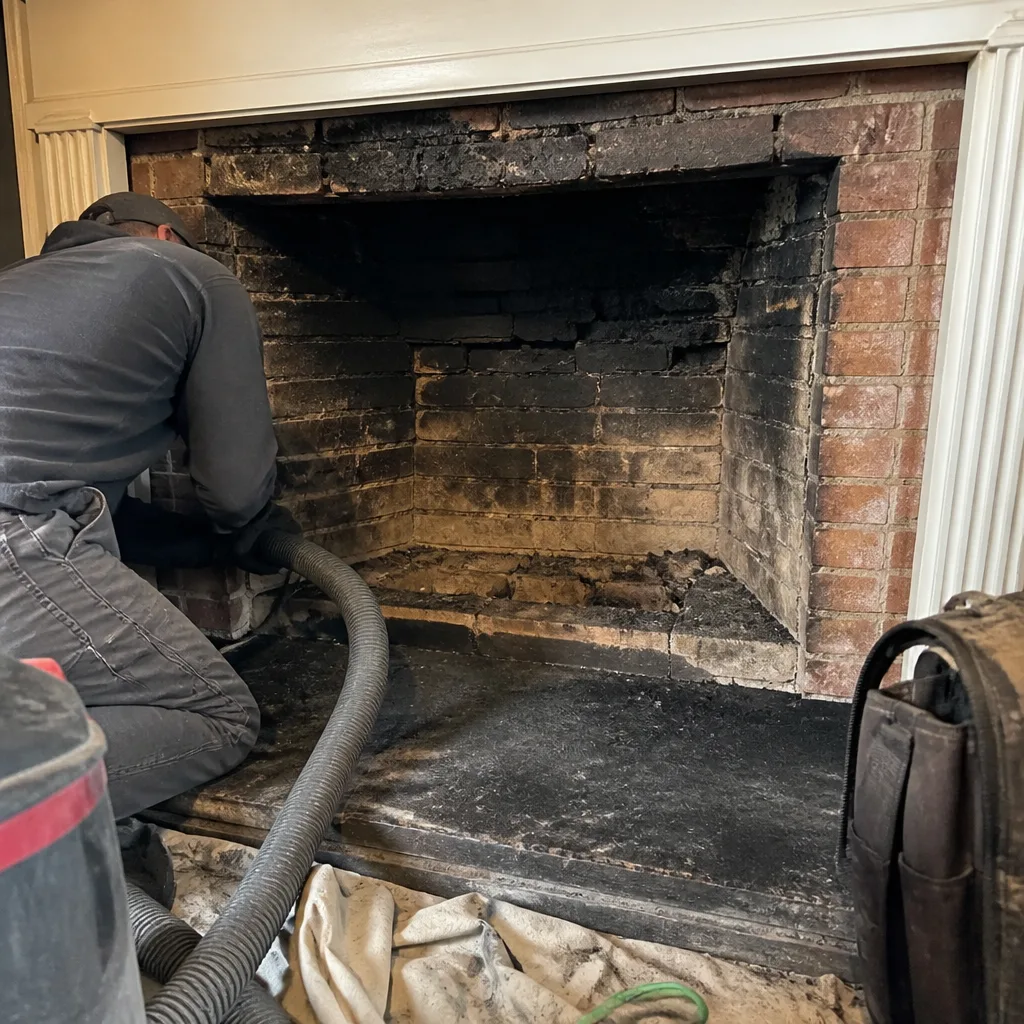 Before
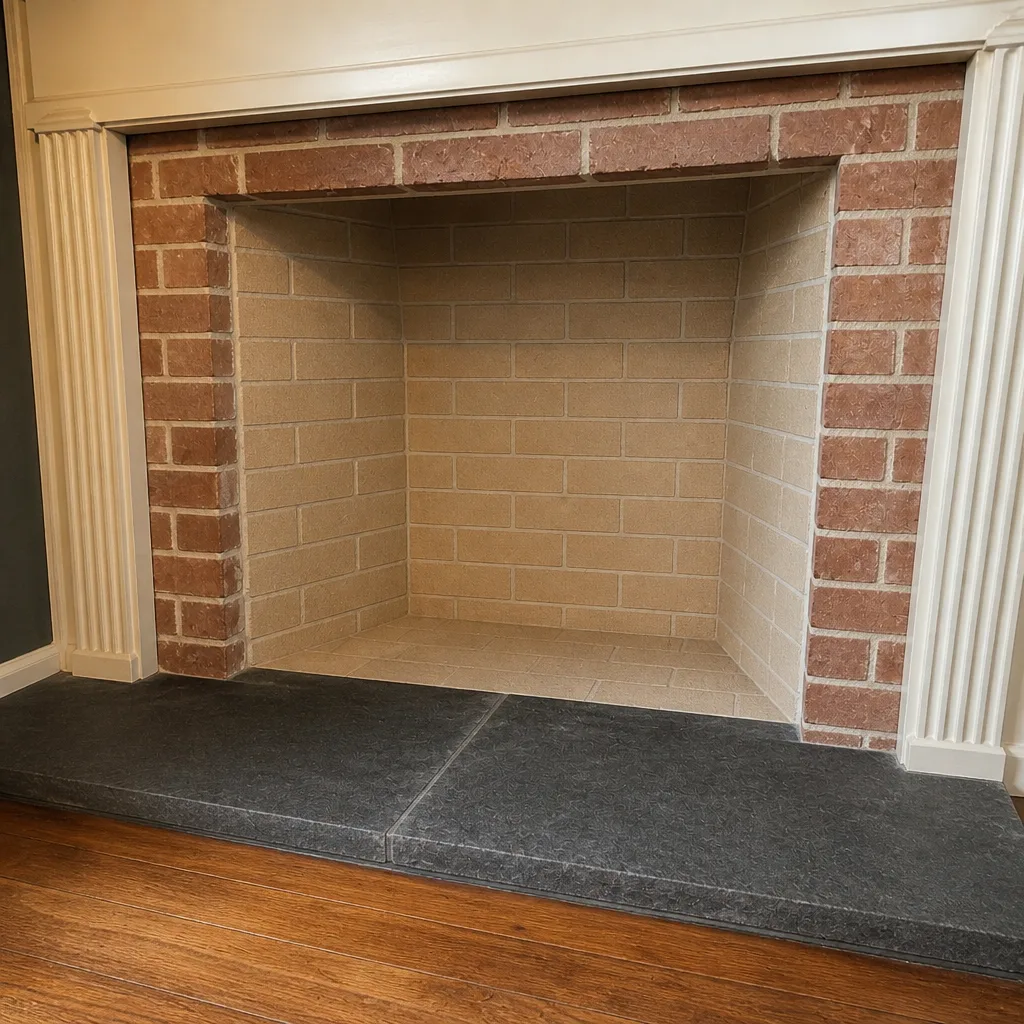 After
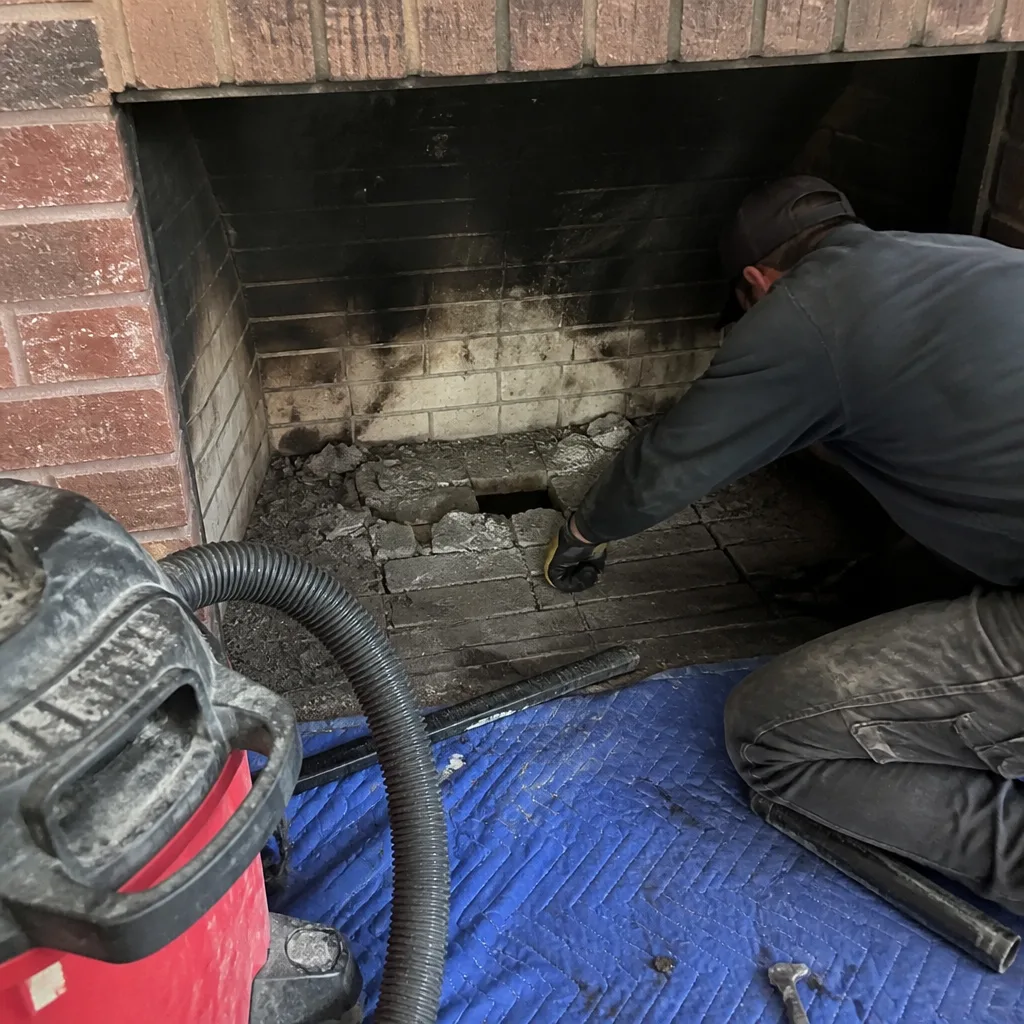 Before
 After
 Before
 After
When to Call a Professional
Call a professional if any of the following is true: you haven’t had the chimney inspected in more than a year; you’ve just bought a home in Bountiful and don’t know its history; you see cracks in the crown, loose mortar, spalling brick, or a damaged cap; smoke is backing into the room or the fire isn’t drawing; you smell creosote when no fire is burning; or you’ve had a chimney fire of any size. A professional inspection is a standalone service, so you can get a clear report without committing to repairs. Our technicians have up to 15 years of experience, and we use professional-grade brands including Gelco, Olympia Chimney, Famco, and Copperfield. Chimney Sweep Bountiful offers free estimates in Bountiful – call (833) 482-6554. We answer 24/7, with fast dispatch from 7am to 7pm, Sunday through Friday.
Frequently Asked Questions
Once a year is the usual baseline, but Bountiful’s long cold season and heavy firewood use can justify checking more often, especially if you burn a lot of wood. The real answer depends on how much you burn and how dry your wood is. An inspection tells you whether the creosote level calls for a sweep, so the schedule follows the actual condition rather than a fixed date. Call (833) 482-6554 for an exact quote – estimates are free.
Spring is better for most homeowners in Bountiful. It gives you a clean slate and a full season to catch and repair what winter left behind, and it avoids the fall rush. A fall sweep is fine as a backup, but it’s often too late to fix summer damage before the heating season. Spring inspection, summer repair, fall prep: that order does the most good. Call (833) 482-6554 to book a spring inspection.
You may not need a full liner replacement at all. That’s why we inspect first and recommend second. For a damaged but structurally sound flue, the HeatShield ceramic flue resurfacing system can extend the life of the flue without a full replacement, and it’s a cost-conscious option many generalist contractors don’t offer. When relining is needed, we use professional-grade materials like Gelco and Olympia Chimney. If a liner is recommended, it’s because the inspection showed a reason, and you’ll see the evidence. Call (833) 482-6554 for a free estimate.
Creosote builds up, and so does the risk of a chimney fire. Meanwhile, the seasonal damage compounds – cracks that opened in spring widen over winter, water intrusion gets deeper, and small repairs grow into structural ones. Skipping a year doesn’t usually make something catastrophically unsafe overnight, but it does mean the next inspection is likelier to find more work than it would have a year earlier. Call (833) 482-6554 for an inspection before the next heating season.
Because the cycle repeats so often here. Warm afternoons melt snow and ice on the crown and cap, and cold nights freeze it again. That expansion and contraction runs dozens of times a season, which widens cracks and mortar joints far faster than a single freeze would. The pattern is the problem, and the fix is to interrupt it with a spring inspection and a summer repair of anything the cycle has opened up. Call (833) 482-6554 to schedule a free estimate.
Yes. Inspection is a dedicated service, not a condition of buying anything else. It gives you a clear condition report on the whole system – flue, firebox, damper, crown, cap, flashing, and masonry – so you know where the chimney actually stands. That’s particularly useful for new homeowners in Bountiful. Call (833) 482-6554 for an exact quote – estimates are free.
The Bottom Line
Chimney care in Bountiful works best when it follows the seasons instead of a single annual sweep. Spring inspection catches what winter left behind and gives you the full year to repair it. Summer is the repair window, when crown and cap work, flue resurfacing, and masonry repair can cure in dry weather. Fall is for prep that goes past the sweep – damper sealing, animal exclusion, and resealing – and winter is for monitoring the warning signs. If you do only one thing, get an inspection and let the findings drive the rest. We handle it start to finish, so you’re never handing the problem off to a second contractor. Call (833) 482-6554. We answer 24/7. Fast dispatch, 7am-7pm. Bountiful homeowners, start with a free estimate today.
Written by the team at Chimney Sweep Bountiful.