
Last updated November 24, 2026
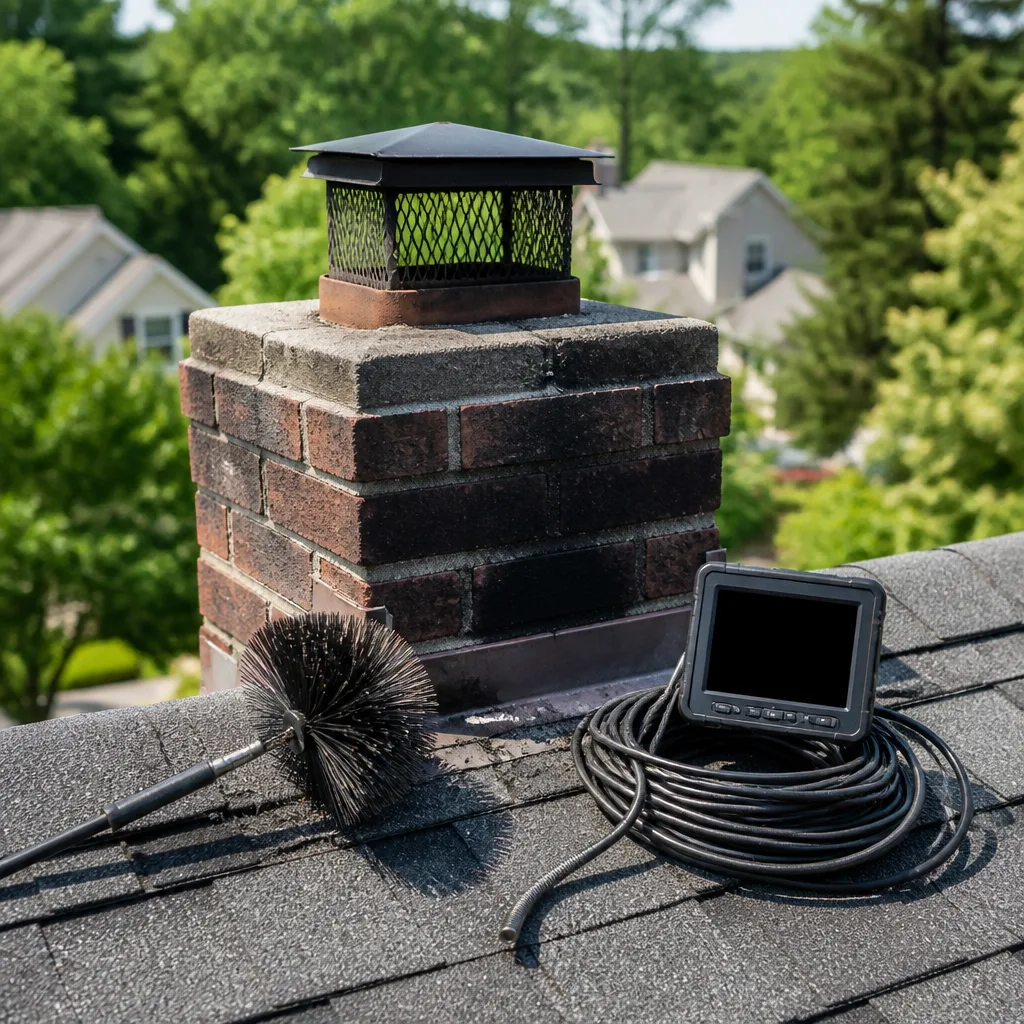 Sweep & inspection
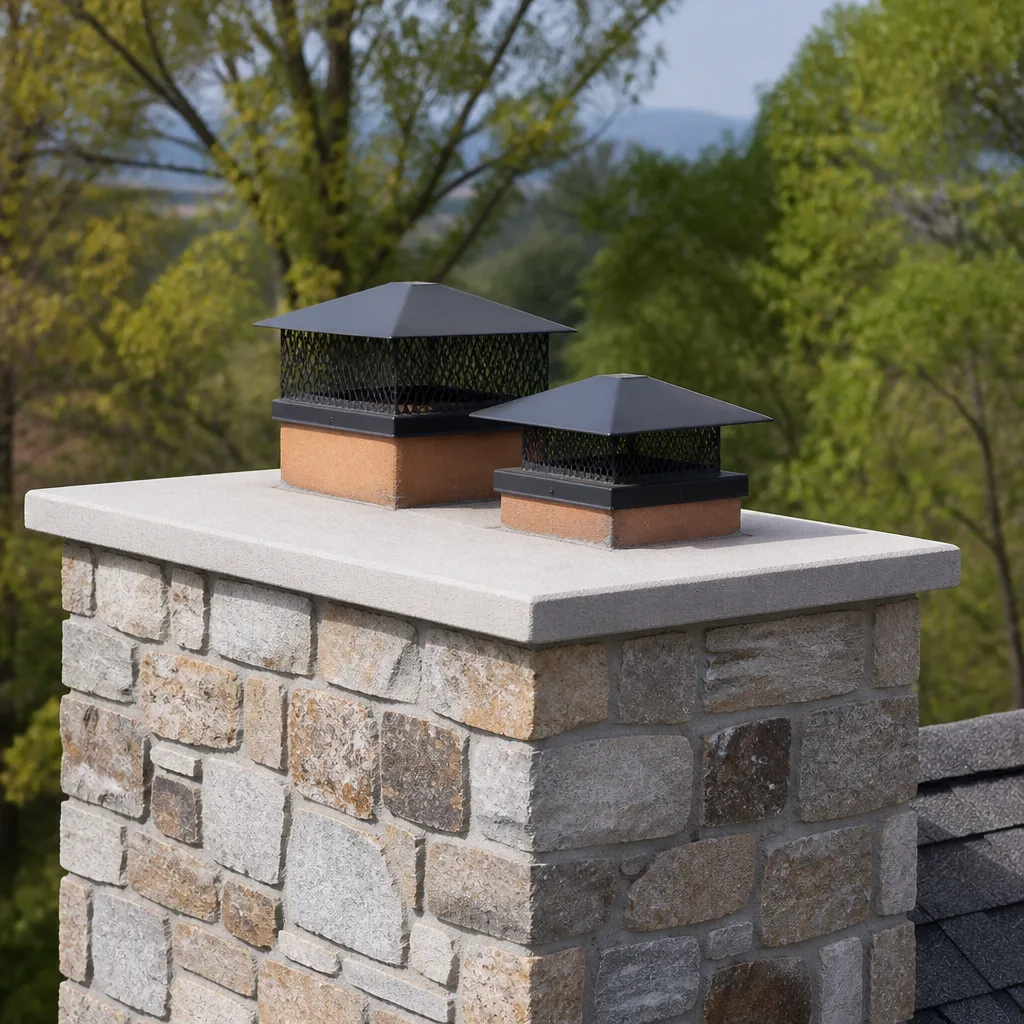 Caps & crowns
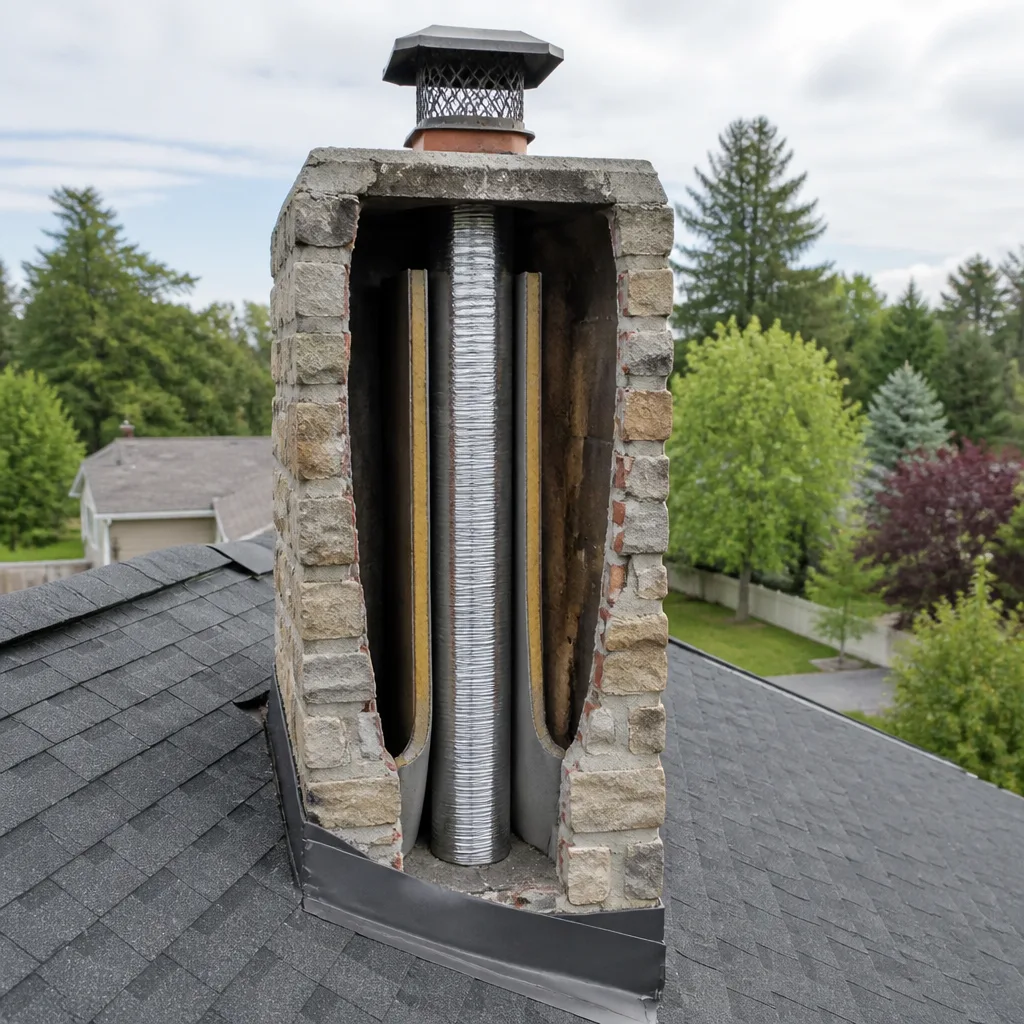 Flue relining
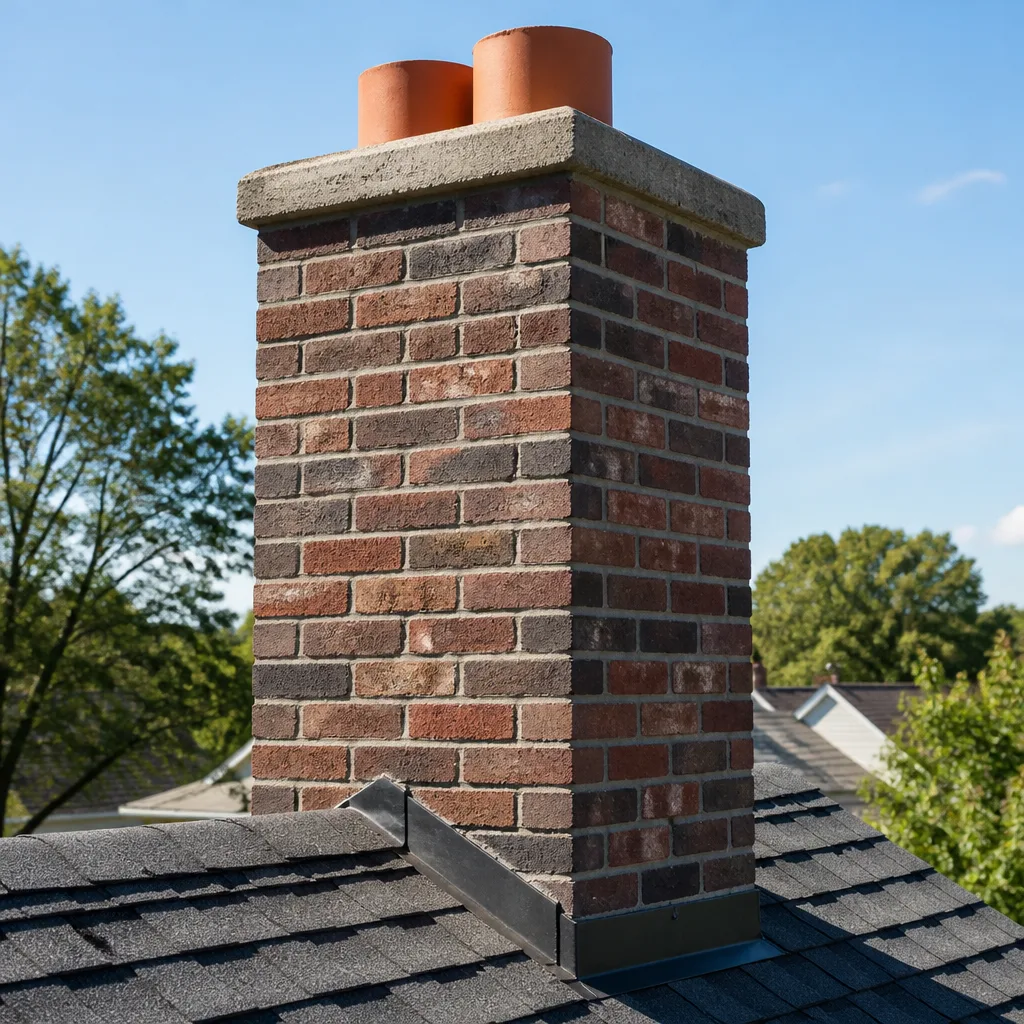 Masonry repair
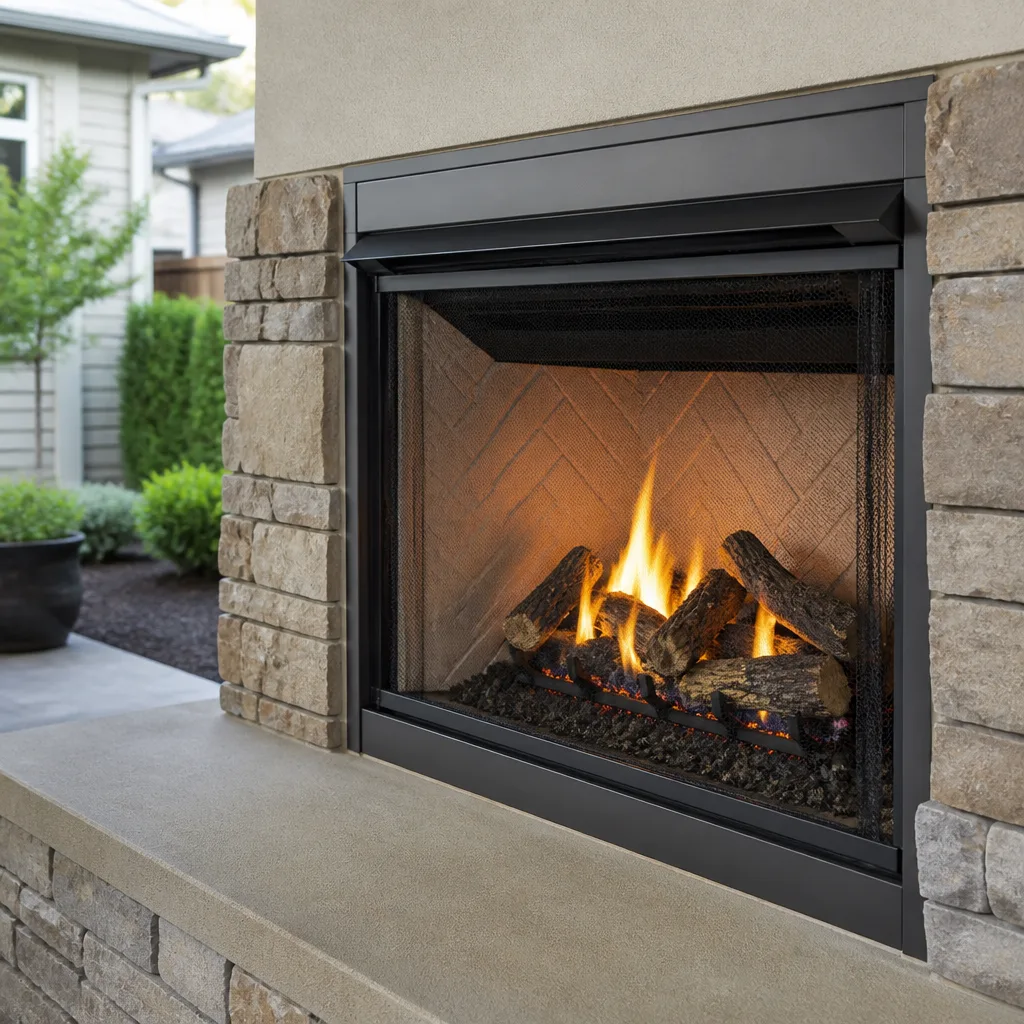 Gas fireplace service
Level 1 sweep and inspection to the NFPA 211 annual standard - flue, crown, cap, and flashing checked and photographed
Chimney sweep logs do not sweep chimneys. They loosen some creosote - which then falls where a brush and vacuum still have to collect it.
Chimney Cleaning Warning Signs: A Bountiful Homeowner’s Reference Guide
A white stain on the outside of your chimney isn’t cosmetic. It’s efflorescence, and it tells you that water is moving through your masonry right now, dissolving the salts that hold mortar together. Most chimney problems announce themselves long before they become emergencies, but homeowners misread the signals because they don’t know what each sign points to. A smoky smell means something very different in July than it does in January. In this guide, we decode the specific symptoms Bountiful homeowners see and smell into the specific causes behind them, so you act on the right problem instead of guessing.
Quick Answer
The main chimney cleaning warning signs in Bountiful are a strong creosote smell, white efflorescence staining on the exterior masonry, soot falling into the firebox, smoke backing into the room, and visible black glaze inside the flue. Sulfur and musty odors point to water intrusion or animal activity, while a campfire smell in warm months usually means draft reversal. Any of these means it’s time for an inspection before the next burn season.
Styles & brands we work with
- Sweep & inspection
- Caps & crowns
- Flue relining
- Masonry repair
- Gas fireplace service
Table of Contents
- What Your Chimney’s Smell Is Telling You
- Reading Exterior Staining Patterns
- The Three Stages of Creosote and Why Only One Is an Emergency
- Normal Settling Sounds vs. Active Structural Movement
- Ceiling and Wall Signs Homeowners Blame on Roofs and Plumbing
- When to Call a Professional
- Common Mistakes to Avoid
- Frequently Asked Questions
What Your Chimney’s Smell Is Telling You
Chimney odors are diagnostic. Three distinct smells point to three distinct conditions, and confusing them leads homeowners to fix the wrong thing. Here’s how to tell them apart, whether you’re in Bountiful or anywhere along the Wasatch Front.
Sulfur or rotten-egg smell. This is the rarest and most concerning odor. A sulfur smell in a chimney usually indicates decomposing organic material, often a bird or animal that has gotten past a damaged cap and died in the flue. It can also point to moisture trapped against galvanized metal components that are corroding. Either way, it warrants a prompt inspection, because you don’t want to be burning a fire with a blocked or contaminated flue.
Musty, damp, basement-like smell. This is a water problem. Masonry is porous, and when water gets in through a cracked crown, a missing cap, or failed flashing, it sits inside the structure and grows mildew. It often gets worse in spring when snowmelt seeps in, and in Bountiful’s freeze-thaw cycles, that trapped moisture expands and contracts, quietly spalling brick from the inside. A musty smell is your early notice that the crown or cap needs attention before the masonry sustains real damage.
Campfire smell in the house when the fireplace is cold. This is a draft problem, not a cleaning problem. It usually reverses in summer and shoulder seasons when the outdoor air is warmer than the flue, or when a house is running exhaust fans and negative pressure pulls flue air down. It’s also the smell of a dirty flue that’s holding onto old soot. The key distinction: a campfire smell following a recent fire points to soot buildup, while a campfire smell in a clean, unused chimney points to pressure and draft.
- Sulfur: animal intrusion or metal corrosion, inspect promptly
- Musty: water intrusion through crown, cap, or flashing
- Campfire in July: draft reversal or soot buildup, needs a sweep and a look
Knowing which smell you have saves you from replacing a liner when the real fix is a five-dollar cap screen. If you’re not sure what you’re smelling, an inspection sorts it out before you spend anything on repairs.
Reading Exterior Staining Patterns
The outside of your chimney is a moisture map, and you can read it from the ground. Each staining pattern corresponds to a different water path, and each one tells you where the failure is happening. In Bountiful, where spring snowmelt and summer monsoons both hammer masonry, these patterns show up more than homeowners expect.
White, powdery stains (efflorescence). These crusty white deposits are salts carried to the surface by moisture moving through the brick. The salts in mortar and brick dissolve in water and get pushed out as the masonry dries, leaving the white bloom behind. Efflorescence means water is actively migrating through the wall, not just sitting on it. If it wipes off easily, the water is still moving. If it doesn’t come off, the salts have crystallized and the surface is starting to fail.
Brown or rust-colored stains. These usually trace to a corroding metal liner, a rusted damper, or flashing that’s failed and is letting water run down the face of the chimney. A rust streak in a straight vertical line is a flashing problem. A mottled brown patch is often a metal component giving way behind the masonry.
Dark or black staining at the top. This is often confused with creosote but is actually soot washing down from the flue top. It usually means the crown is cracked or the cap is missing entirely, allowing water and soot to escape downward rather than staying out. Look at the crown, the slab of concrete at the very top, for hairline cracks: even a thin crack lets water in with every rain.
Green or dark patches low on the chimney. Algae and moss growth point to prolonged moisture at the base, often from a flashing leak, a clogged gutter dumping water against the chimney, or a chimney that meets the roofline in a valley where water collects.
The most important thing about exterior staining is that it’s visible and therefore checkable. If you see it, you already know the chimney has an active moisture problem, even before anyone climbs up. Our team installs chimney repair and cap-and-crown work to close those water paths, using professional-grade components like Copperfield flashing and Famco caps, so the fix holds through the next freeze-thaw cycle.
The Three Stages of Creosote and Why Only One Is an Emergency
Creosote is the byproduct of burning wood, and it accumulates in three stages, each more dangerous than the last. Only Stage 3 is a genuine cleaning emergency, but the earlier stages are the ones you want to catch. Here’s how to recognize each.
- Stage 1: Sooty flakes. This is a light, dusty, flaky deposit that brushes off easily. It forms after a few burns and isn’t a hazard on its own, but it’s the first warning that deposits are accumulating. You’ll see it as gray-black dust stuck to the flue walls and firebox.
- Stage 2: Crusty, flaky deposits. This is a harder, darker layer that clings to the flue and doesn’t wipe away. It’s the result of continued use, and it’s the stage where annual sweeping starts to matter, because Stage 2 creosote is a fuel source, and a flue fire can ignite it. The deposits are visible as a rough, black, corrugated crust.
- Stage 3: Glazed, tar-like residue. This is the emergency stage. Stage 3 creosote is shiny, hard, and looks almost like melted plastic or glass. It’s extremely flammable and burns hot enough to crack masonry and set a chimney fire. It also reduces the flue’s inner diameter and blocks draft. It’s what you see when a chimney has gone a long time without a sweep, and it’s why “I’ll do it next year” is a bad plan.
The reason this matters in Bountiful specifically is the altitude. At roughly 4,300 feet, wood fires burn differently than at sea level, and colder, high-altitude winters mean more chimney use and more smoke in the flue. That’s why burning dry, seasoned wood and getting an annual sweep from a chimney sweep matters even more here than in lower, warmer climates. If your flue looks glazed, don’t burn again until a professional has looked at it.
| Creosote Stage | What It Looks Like | What to Do |
|---|---|---|
| Stage 1 | Sooty, flaky dust | Brush at the next sweep |
| Stage 2 | Crusty, dark, clinging layer | Sweep before burning again |
| Stage 3 | Glazed, tar-like, shiny | Stop burning, get an inspection |
Normal Settling Sounds vs. Active Structural Movement
Chimneys make noise. Some of it is normal, and some of it is your masonry telling you it’s moving. The trick is knowing which is which, because a chimney that’s genuinely shifting is a safety issue and a chimney that’s just cooling down is not.
Normal sounds. Metal dampers and flue liners expand and contract as they heat and cool. You’ll hear ticking, pinging, or a light metallic pop during and after a fire as the metal finds its new size. Masonry also creaks softly as it settles after a heating cycle. These sounds are brief, they follow a fire, and they stop once the chimney reaches room temperature.
Concerning sounds. Loud, sharp cracks that happen without a fire, grinding or scraping noises that continue for more than a few minutes, or a sound like something shifting and settling from deep inside the masonry all point to active movement. So does a door or window near the chimney that suddenly won’t close right, or a crack in the drywall that grows over a season. If your Bountiful home is on a slope, and many are, the freeze-thaw action on the foundation follows the same pattern every year, so a settling crack that appears or widens after a cold snap deserves a look.
Chimney movement is subtle and easy to dismiss. The best way to separate normal from concerning is an inspection that gets eyes on the structure from both outside and inside. Chimney Sweep Bountiful offers standalone inspections for exactly this reason, so you get a clear answer without having to commit to anything else.
Ceiling and Wall Signs Homeowners Blame on Roofs and Plumbing
Not every chimney problem shows up at the chimney. Some of the clearest warning signs appear on the ceiling and walls near the chimney, and they get misattributed to roof leaks or plumbing problems all the time. If you’re chasing the wrong source, you’ll fix the roof and still have a chimney leaking into the attic.
Water stains on the ceiling near the chimney. A brown ring on the ceiling, usually radiating out from where the chimney passes through, is a flashing or crown problem. The water enters at the chimney and runs down the roofline. It’s not a shingle problem if the stain is centered on the chimney. Check whether the stain grows after rain.
Bubbling or peeling paint on walls next to the chimney. This is moisture seeping through the masonry into the wall, and it means the chimney is wet from the outside in. A plaster or paint bubble right at the chimney’s edge is a classic sign of a failing crown that’s letting water into the wall cavity.
Crumbling drywall or a soft spot near the chimney ceiling. This can be a slow leak that’s been working through the ceiling for a while, often from a flashing crack that only opens under certain conditions. It’s worth inspecting before the drywall gets soft.
Soot streaks or fine dust on the wall above the fireplace. A faint dark streak above the firebox is a sign of draft reversal or a damaged firebox panel. This is not a decor issue; it’s smoke finding a way out where it shouldn’t.
The reason these get missed is that they appear in the middle of a room, not up at the chimney. When you see a stain, ask whether it forms a straight line from the chimney down. If it does, get the chimney looked at before you call a roofer or a plumber.
When to Call a Professional
Some chimney signs can wait for your annual inspection. Others shouldn’t wait a day longer. Here’s the short list of situations where we’d recommend calling rather than checking again in a month:
- You see glazed, shiny creosote at any point in the flue.
- Smoke is backing into the room instead of going up the chimney.
- A strong sulfur or musty smell appears and doesn’t clear.
- You see white efflorescence or water staining on the exterior masonry.
- Any crack, shifting, or movement in the chimney structure or its location on the roofline.
- A chimney fire has happened, even a small one you think you put out.
- It’s been more than a year since the last sweep, especially after a heavy burn season.
Chimney Sweep Bountiful offers free estimates in Bountiful, and we inspect first and recommend second, so you know exactly what’s happening before any work is agreed to. Call (833) 482-6554 to book. We answer 24/7. Fast dispatch from 7am to 7pm, Sunday through Friday.
Common Mistakes to Avoid
- Assuming a white stain is just age. Efflorescence is active moisture, not cosmetic wear. Treating it as patina lets water damage the mortar from the inside.
- Treating every smell as “chimney needs cleaning.” A musty or sulfur smell usually means a water or animal problem, not soot. If you hire a sweep for the wrong diagnosis, you’ll spend money and still have the smell.
- Waiting until fall to schedule anything. In Bountiful, everyone calls when the first cold snap hits and the schedule backs up. Booking a sweep in late summer or early fall gets you inspected before you need it.
- Ignoring a glazed flue because “it’s just a little build-up.” Stage 3 creosote is a fuel source, and the deposits can ignite. It’s the one stage that shouldn’t wait for convenience.
- Confusing a roof leak with a chimney leak. If the stain centers on the chimney, the chimney is the source. Fixing the roof first means fixing the wrong thing.
- Skipping the crown and cap. The two most common water intrusion points are the crown and a missing or damaged cap. Annual inspection keeps both in view.
- Choosing a sweep-only or handyman operation for a full-system problem. When you need the sweep, the inspection, and the repair, working with one full-service company eliminates the hand-off.
Frequently Asked Questions
A chimney should be swept at least once a year, and more often if you burn frequently or use unseasoned wood. In Bountiful’s high-altitude, cold-winter climate, chimneys see a lot of use, so an annual sweep and inspection is the baseline most homeowners should plan on. If you burn wood regularly, once a year before the season is the smart rhythm. Call (833) 482-6554 for an exact quote, and the written estimate sets the final price.
A sulfur smell in your chimney typically indicates decomposing organic material, often a bird or animal that got into the flue through a damaged cap, or moisture-driven corrosion of metal components. It’s worth a prompt inspection, because a blocked or contaminated flue is not safe to burn. Call (833) 482-6554 to book an inspection; estimates are free.
Efflorescence itself is not dangerous to touch, but it indicates active water movement through the masonry, which does damage the structure over time. Left unchecked, that moisture causes spalling, crumbling mortar, and freeze-thaw damage that is far more costly than a crown or cap repair. Getting it looked at early is the cheapest path. Call (833) 482-6554 for a free estimate.
Basic brushing of accessible soot is something some homeowners do, but flue work, liner inspection, and any repair of masonry, crown, or cap are jobs for a trained professional. The risk of missing a glazed flue, a cracked crown, or a failed liner is real, and those are the conditions that cause chimney fires. We’d rather you get an inspection than guess. Call (833) 482-6554 and we’ll take a look.
Loud cracks that happen without a fire, grinding, or sounds of shifting from inside the masonry point to active structural movement, not normal settling. Normal sounds follow a fire and stop quickly; concerning sounds continue or appear without a fire. Get an inspection before burning again, and note any cracks in the wall or ceiling near the chimney. Call (833) 482-6554 to schedule.
No. Many warning signs point to small fixes: a cap screen, a cracked crown patch, a flashing repair, or a cleaning. The goal of an inspection is to catch a cheap problem before it becomes an expensive one, not to sell a repair. Inspections are available on their own, and nothing is recommended without evidence you can see. Call (833) 482-6554 for an estimate.
The Bottom Line
Chimney warning signs are conversations, not alarms. A white stain tells you water is moving through the masonry. A sulfur smell tells you something is wrong in the flue. A glazed flue tells you to stop burning. A ceiling stain near the chimney tells you the leak is at the chimney, not the roof. The sooner you read the sign correctly, the smaller the fix. If you’d like a professional set of eyes on your system, start with a Chimney Sweep Bountiful inspection, and remember that a fireplace repair or full-system check is often the cheapest money you’ll spend on your chimney this year. Call (833) 482-6554 for a free estimate. We answer 24/7. Fast dispatch from 7am to 7pm, Sunday through Friday.
Written by the team at Chimney Sweep Bountiful.
See the difference
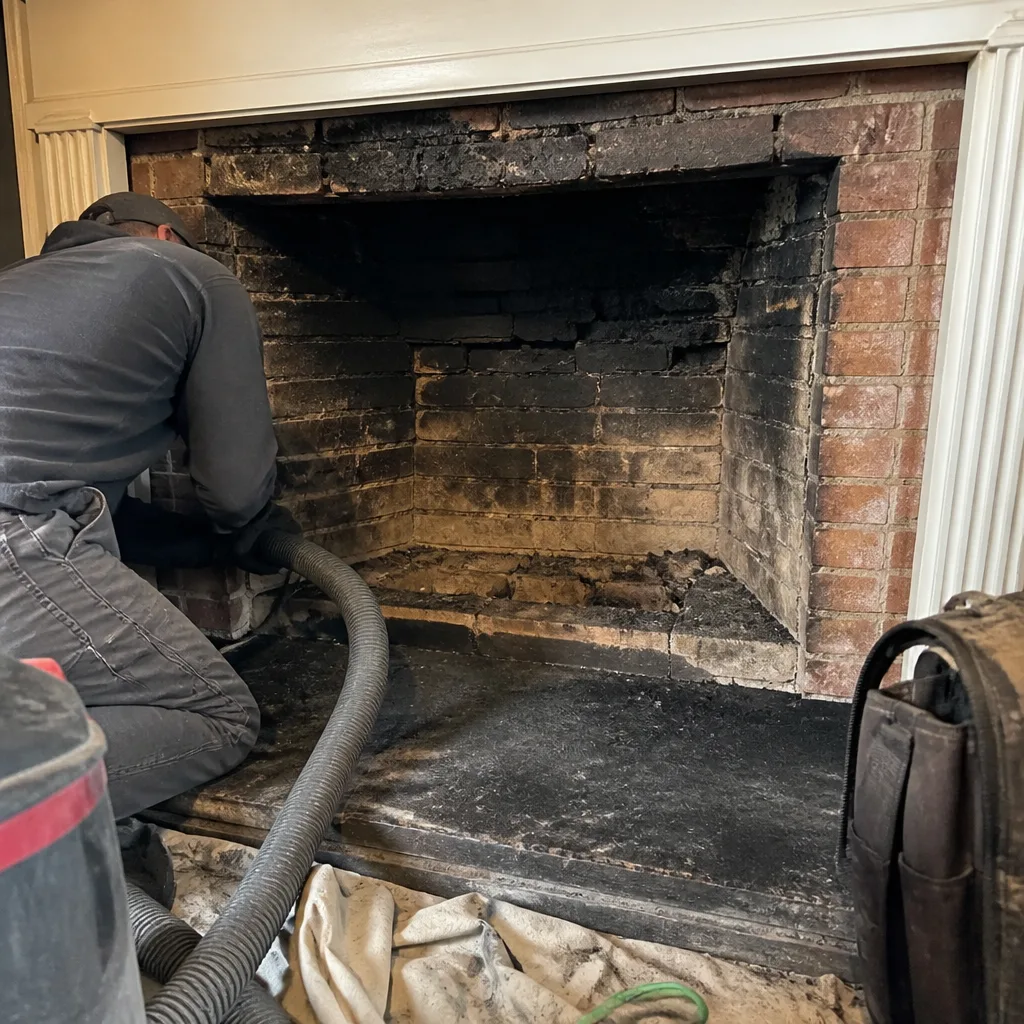 Before
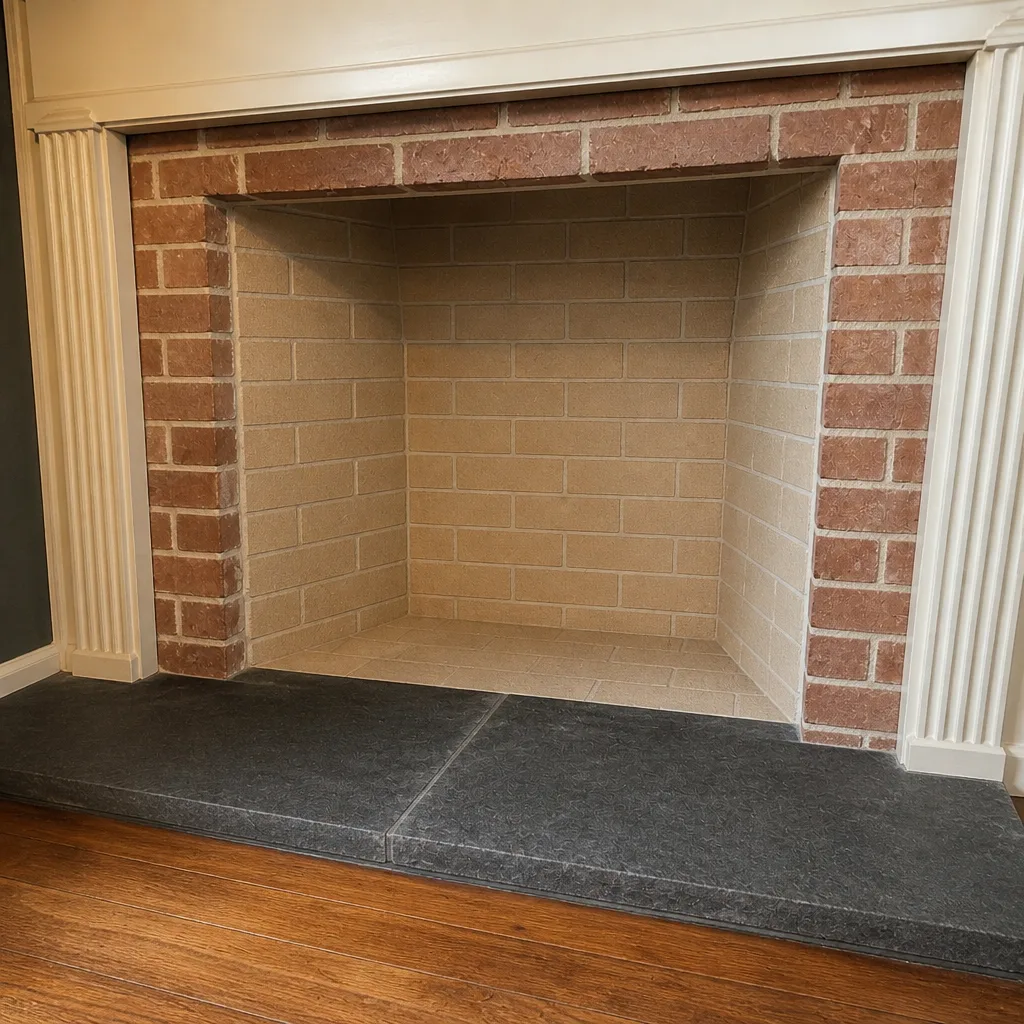 After
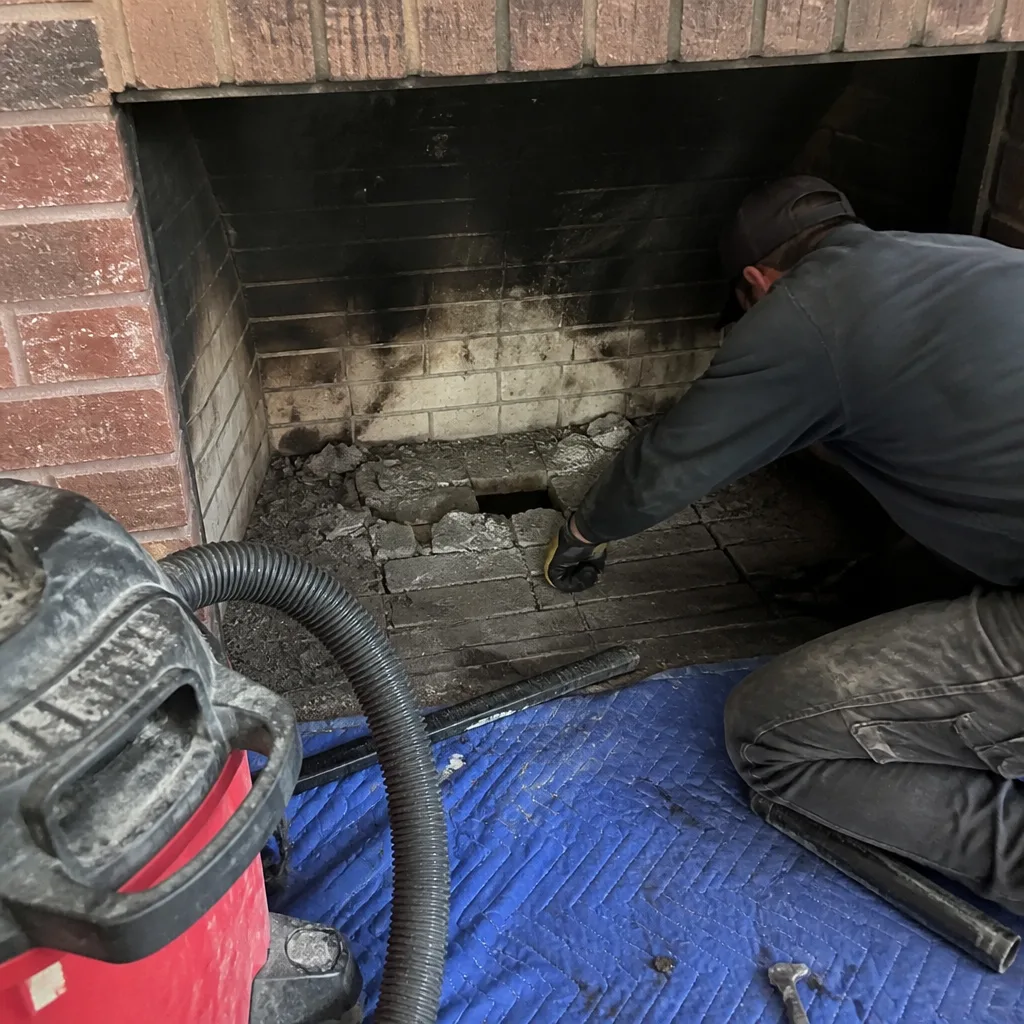 Before
 After
 Before
 After