
Last updated November 24, 2026
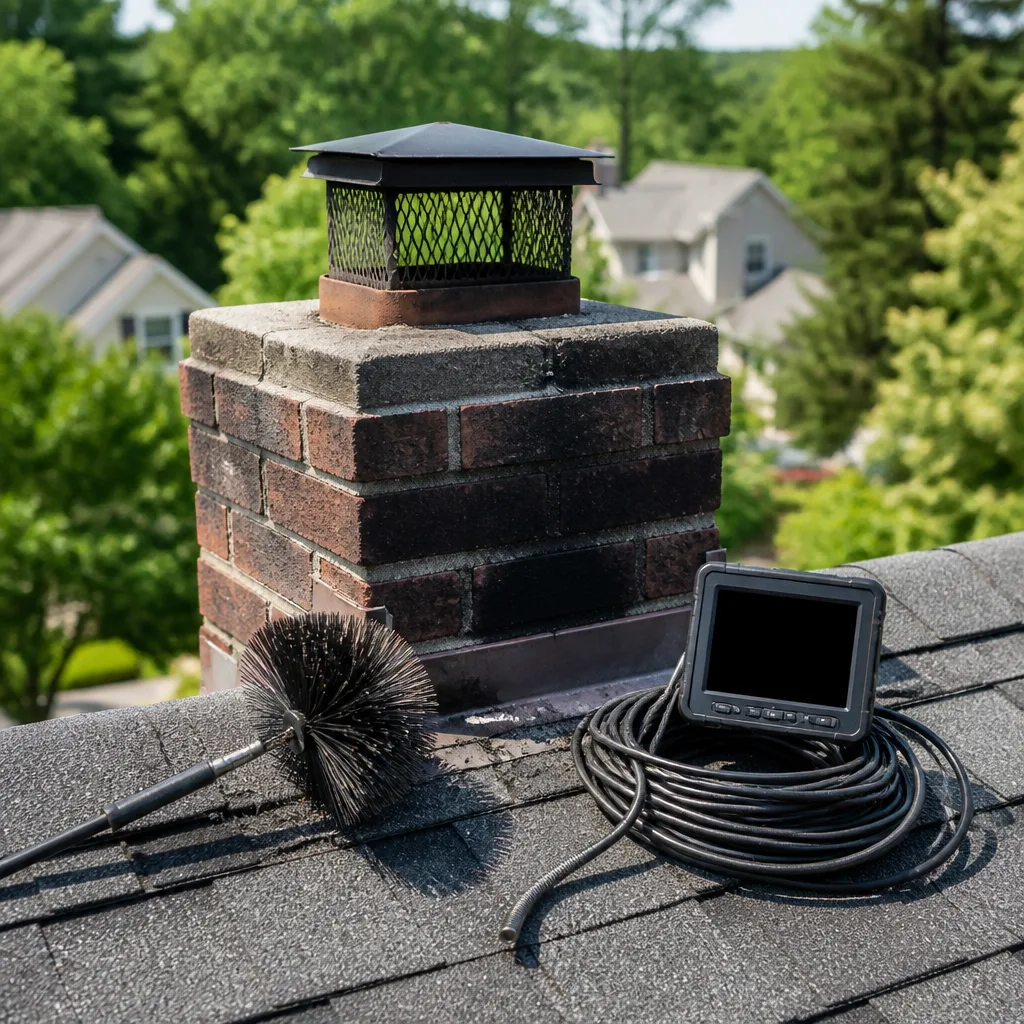 Sweep & inspection
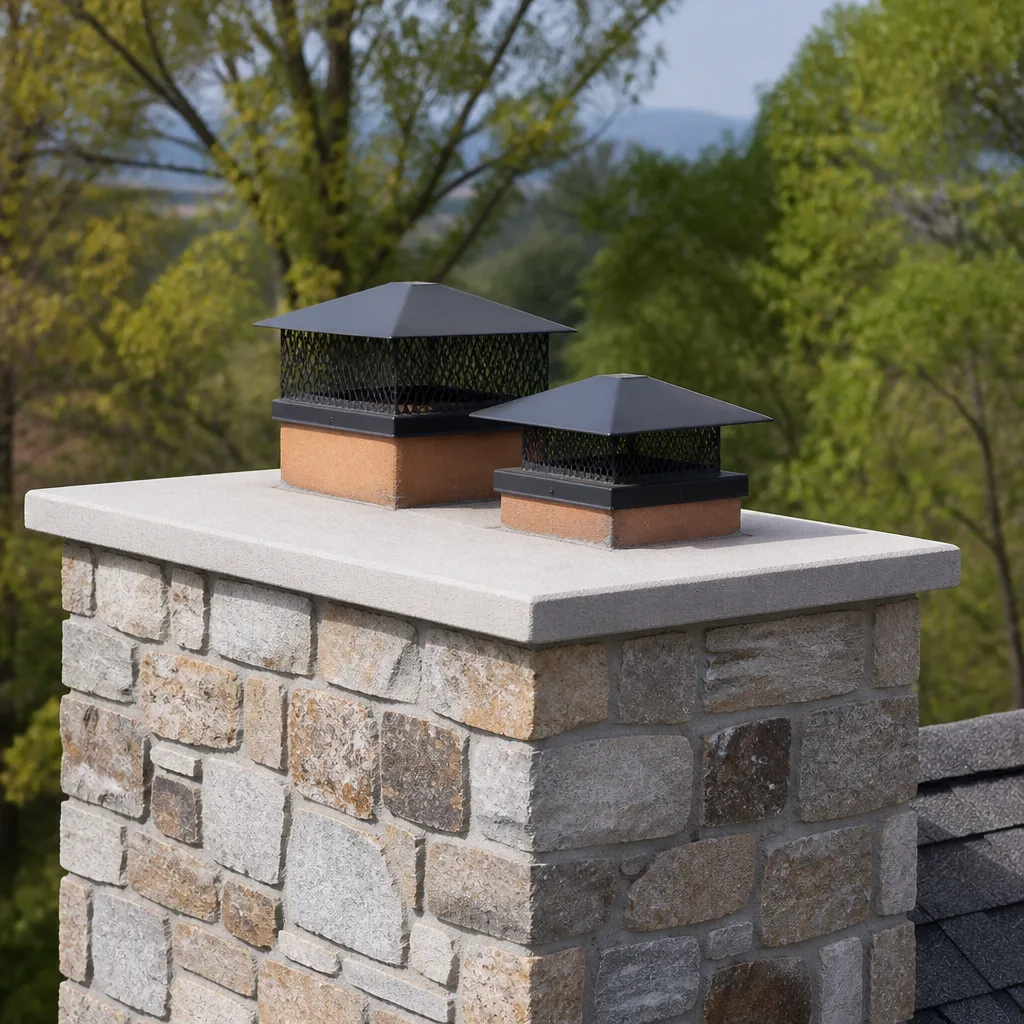 Caps & crowns
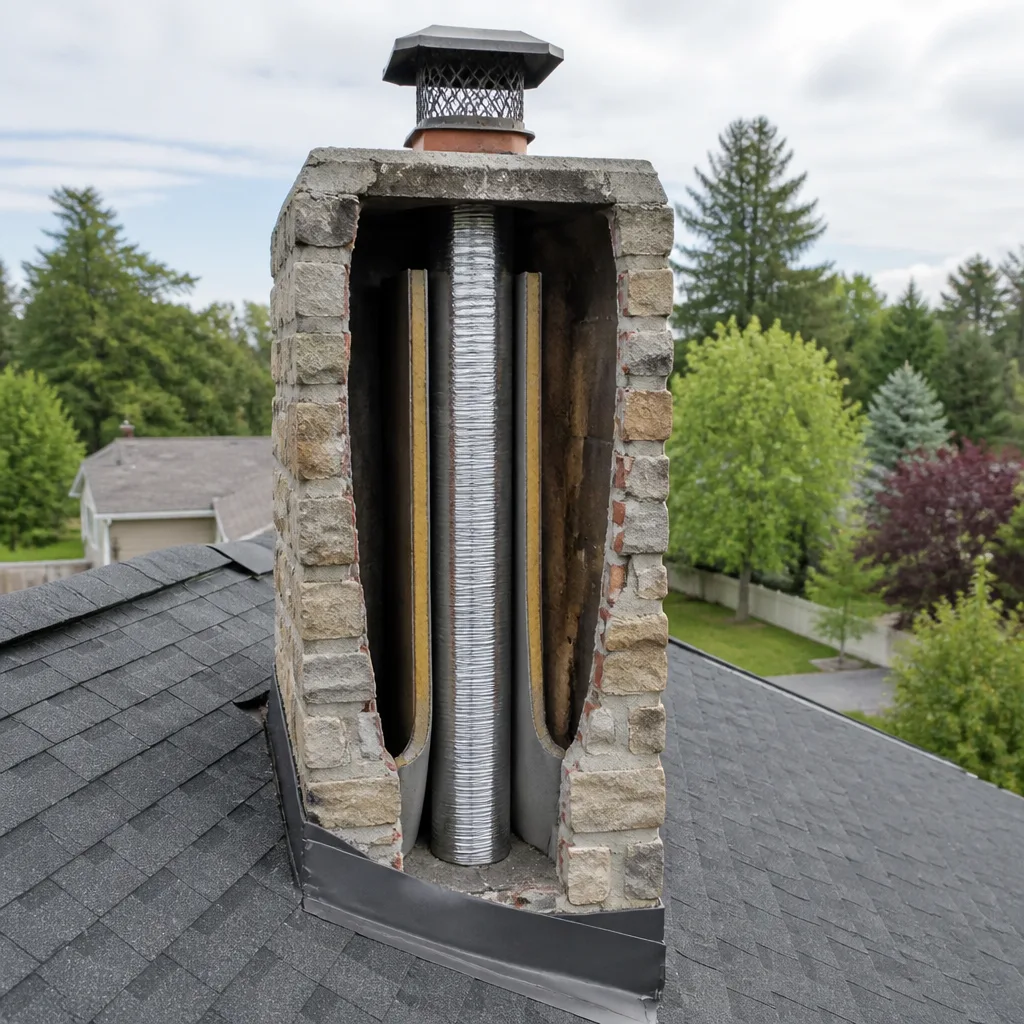 Flue relining
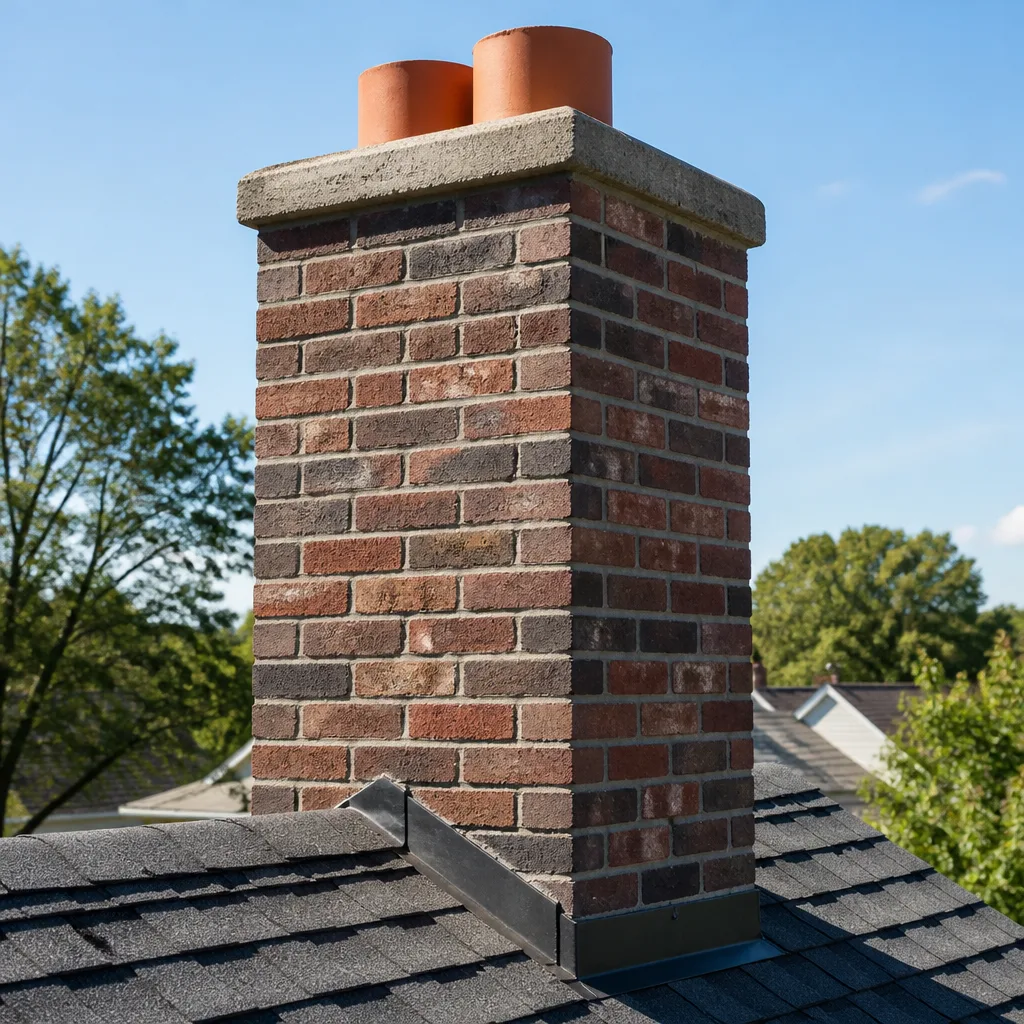 Masonry repair
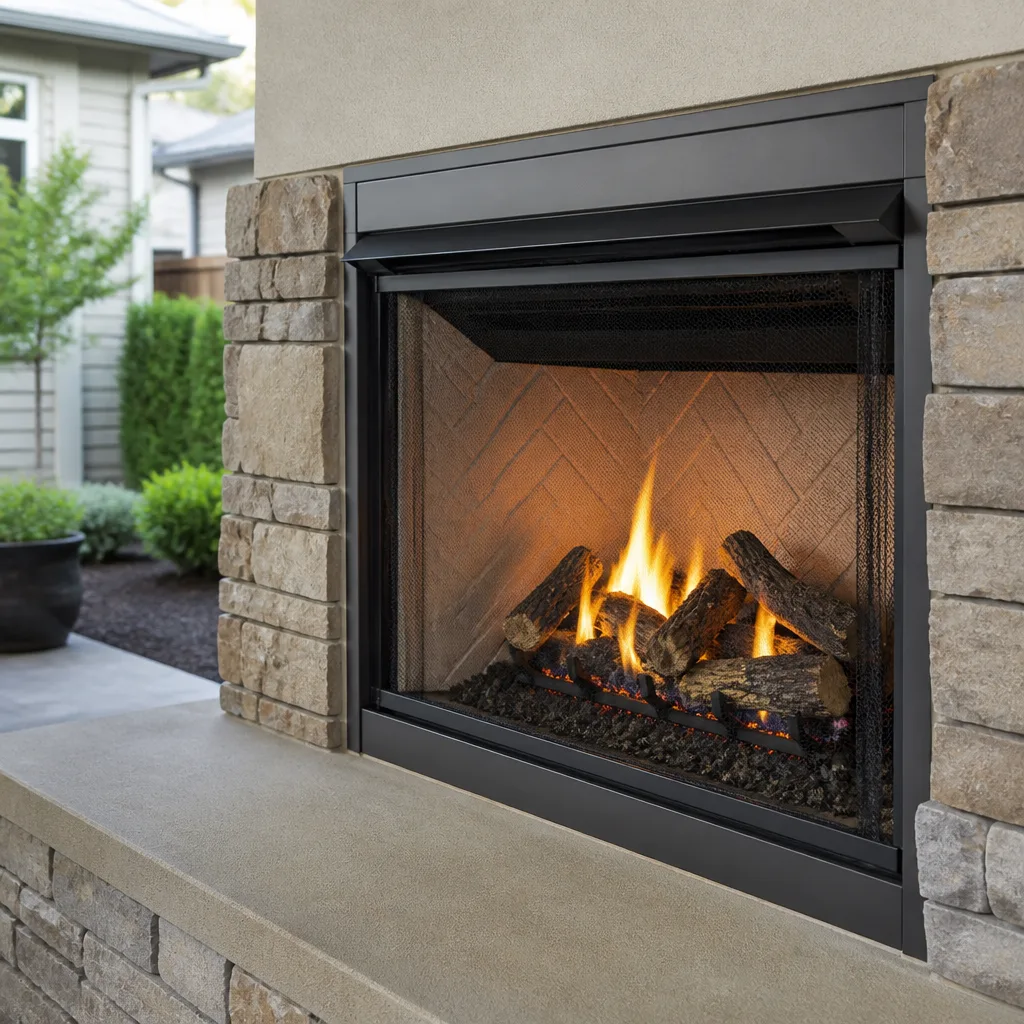 Gas fireplace service
Level 1 sweep and inspection to the NFPA 211 annual standard - flue, crown, cap, and flashing checked and photographed
Chimney sweep logs do not sweep chimneys. They loosen some creosote - which then falls where a brush and vacuum still have to collect it.
Chimney Sweep Maintenance Checklist for Bountiful Homeowners
Most chimney maintenance checklists online are identical, and identically incomplete. They tell you to “check the cap” without explaining that a cracked cap is the most common entry point for the freeze-thaw moisture that cracks a Bountiful chimney from the inside out. They tell you to “watch for creosote” without connecting a clogged flue to the backdraft that pushes smoke into your living room. A checklist you don’t understand is just a list of chores. This guide connects every item to the specific failure it prevents, so you maintain with intention. You’ll get a month-by-month schedule tuned to Bountiful’s seasonal swings, the checks you can safely do yourself, the ones that need a professional tool, and how to track your chimney year over year so slow damage never surprises you.
Quick Answer
A chimney maintenance checklist for a Bountiful home should move through four seasons: inspect the cap and crown and schedule a sweep before burning season, keep an eye on the firebox and flue through winter, address creosote and water intrusion in spring, and document condition each year so gradual deterioration gets caught early. The homeowner can handle exterior visual checks and basic firebox observation; anything involving the flue interior, a camera, or a ladder requires a professional. A yearly sweep and inspection is the backbone of the whole routine.
Styles & brands we work with
- Sweep & inspection
- Caps & crowns
- Flue relining
- Masonry repair
- Gas fireplace service
Table of Contents
- Why Bountiful Chimneys Need Their Own Checklist
- The Month-by-Month Maintenance Calendar
- What You Can Check Yourself vs. What Needs a Professional
- Cap and Crown: The Two Checks That Prevent Most Water Damage
- Firebox Mortar Joints and the Backdraft Connection
- How to Document Your Chimney Year Over Year
- What to Do Immediately After a Chimney Fire
- Getting Ready for Burning Season
Why Bountiful Chimneys Need Their Own Checklist
A checklist written for a mild coastal climate doesn’t fit a home at the base of the Wasatch Front. Bountiful sits where winter nights drop well below freezing and daytime sun can climb back above it, and that daily swing is the real enemy of masonry. Water seeps into a hairline crack in the afternoon, freezes solid overnight, expands, and pries the crack open a little wider. Repeat that cycle across a Bountiful winter and a small surface flaw works its way into the structure of the chimney.
That freeze-thaw rhythm is why the maintenance calendar here leans harder on the exterior than a generic guide would. The crown, the cap, the flashing where the chimney meets the roof: these are the surfaces that take the moisture and pass it inward. Once water is inside the masonry, it finds its way to the flue liner and the firebox, and the repairs get larger and more expensive the longer it’s allowed to sit.
There’s a second local factor most checklists ignore: the burn itself. Wood fires produce creosote, a tar-like residue that lines the flue, and the amount depends on how hot and how completely the wood burns. A smoldering fire on a cold Bountiful evening builds creosote faster than a hot one. That buildup is the fuel for a chimney fire, and it’s the single best reason to keep the flue clean and inspected before the season starts.
We’ve seen both patterns play out across the Bountiful area, and they tend to run together: a chimney that starts with a cracked crown ends up needing flue work because the moisture got in first. The checklist below treats those causes as connected, because they are. If you’d rather start with the basics of a professional cleaning, our chimney sweep page covers what a full sweep involves.
The Month-by-Month Maintenance Calendar
Here’s the calendar we walk homeowners through, laid out by season and tied to what’s actually happening in a Bountiful chimney at each point in the year. The exact month you start each task depends on when the weather turns, but the order stays the same.
- Late summer / early fall – pre-season inspection and sweep. Book a professional inspection and cleaning before the first fire of the season. This is when creosote from last winter gets removed and the flue, cap, crown, and firebox get a full look. Doing it now means any repair is finished before you need the fireplace.
- Early fall – exterior check. Walk the yard and look up at the chimney with binoculars. Check the cap for rust or missing screen, the crown for cracks, and the flashing for gaps. Note anything that looks off and get it addressed before the wet, freezing weather arrives.
- Late fall – test before you burn. Before the first real fire, open the damper fully, check that the smoke shelf isn’t blocked, and confirm the firebox has no loose mortar. Light a small test fire and watch how the smoke draws.
- Winter – burn clean and observe. Burn dry, seasoned wood and avoid long smoldering fires. Watch for smoke rolling back into the room, a stronger-than-usual smell, or increased creosote flaking on the firebox walls. Any of those is a signal to stop burning and call for a look.
- Late winter – post-season interior review. Once you’ve stopped burning, look inside the firebox and up the throat. Loose mortar, cracks in the firebrick, or heavy creosote staining mean it’s time for a professional assessment.
- Spring – moisture season attention. After the snowmelt, re-check the crown and flashing from the ground. Spring is when freeze-thaw damage from winter shows itself, and it’s the best time to schedule repair work so it’s done long before fall.
- Summer – repairs and upgrades. The off-season is when cap replacement, crown repair, and liner work are easiest to schedule and least disruptive. If the inspection flagged anything, this is when it gets handled.
- Year-round – document everything. Keep a simple log of every inspection, sweep, and repair with dates and photos. This is the thread that ties the whole calendar together and catches slow damage before it turns structural.
What You Can Check Yourself vs. What Needs a Professional
Some of this checklist belongs in your hands, and some of it genuinely doesn’t. Knowing the line keeps you safe and also keeps you from paying for a service call on something you could have spotted from the ground. Here’s how we draw it.
Checks a homeowner can safely do
- Exterior visual inspection with binoculars. Look at the cap, crown, flashing, and the visible masonry from the ground. No ladder required.
- Damper operation. Open and close it by hand and confirm it moves freely and seals when closed.
- Firebox observation. Shine a flashlight into the firebox and around the throat to spot loose mortar, cracked firebrick, or heavy creosote buildup. Look, don’t repair.
- Smoke draw on a test fire. Light a small fire and watch whether smoke goes up the flue or rolls into the room.
- Water intrusion signs. Check the ceiling and walls near the chimney for staining or damp patches after a storm.
Checks and work that require a professional
- Anything up on the roof or the chimney top. Ladder and height work is a genuine fall hazard. Cap and crown evaluation from up close belongs to a trained professional.
- The inside of the flue. Knowing how much creosote is in the flue and whether the liner is sound requires a camera and the right tools, not a flashlight from below.
- Liner integrity and resurfacing. Ceramic flue resurfacing with HeatShield is a manufacturer-recognized repair method, and it’s applied by trained hands. It’s a professional job from start to finish.
- Structural or masonry repair. Cracked crowns, damaged flashing, and mortar repair are trade work, and doing them wrong makes the water problem worse.
- Sweeping itself. A proper sweep pulls the creosote out of the flue without spreading it through the house. It’s messy, tool-driven work.
The rule of thumb is simple: if it involves the roof, a ladder, or the inside of the flue, stop at looking and call someone. Everything else on the list is fair game for a careful homeowner. When the inspection turns up something, that’s when our chimney repair service picks up where the visual check left off.
Cap and Crown: The Two Checks That Prevent Most Water Damage
The cap and the crown are the two most overlooked items on any checklist, and they’re also the two most common causes of water intrusion damage. Fix the way water gets in and you prevent most of the expensive problems downstream. That’s why we lead with them.
The cap: your chimney’s first line of defense
The cap sits on top of the flue and does two jobs. It keeps rain and snow out of the flue, and it keeps birds, squirrels, and debris out of the chimney. A cap that’s cracked, rusted, or missing its screen lets water in every time it rains or snow melts, and that water runs straight down into the flue. Over a Bountiful winter, that trapped moisture freezes and thaws against the masonry from the inside. A missing or damaged cap also lets animals nest in the flue, and a blocked flue is a carbon monoxide hazard, not just a nuisance.
The crown: protecting the top of the masonry
The crown is the concrete slab at the very top of the chimney that sheds water away from the masonry. When it cracks or separates from the flue, water seeps underneath it and into the brick and mortar below. That’s where the freeze-thaw damage starts. A crown that’s tilted, cracked, or crumbling is the pattern most worth catching early, because repairing it while it’s small is a fraction of the work of rebuilding the top of the chimney later.
We install and repair caps and crowns using professional-grade components from the brands we work with, including Copperfield and Famco, which are trusted by professional chimney contractors. They’re built to hold up to the freeze-thaw cycle here rather than fail in a few seasons. When you walk your own chimney from the ground, the cap and crown are the first things to look at with the binoculars. Our Chimney Sweep Bountiful team handles cap and crown work as part of the same visit, so there’s no hand-off between a sweeper and a repair contractor. Our technicians have up to 15 years of experience evaluating exactly this kind of top-of-chimney damage.
Firebox Mortar Joints and the Backdraft Connection
Most checklists tell you to look at the firebox but never explain why a few crumbling mortar joints matter to anything beyond the firebox itself. Here’s the connection: the firebox and the flue work together as one system, and the firebox is where the draft begins. The mortar joints between the firebox bricks create a smooth, sealed surface that shapes airflow up into the flue. When those joints erode, the firebox loses its seal.
What that does to the draft is the part homeowners miss. A loose or missing mortar joint lets air leak into the firebox at the wrong point, and that disturbed airflow can pull smoke away from the flue and back into the room instead of up the chimney. That’s backdraft, and it often shows up as smoke rolling out of the fireplace opening on a cold, still evening. People assume a backdraft always means a blocked flue or a downdraft from outside. Sometimes it does. But a firebox full of eroded mortar joints can cause the same symptom, and no amount of opening a window fixes it.
There’s a second reason to watch the mortar: heat. A firebox with deteriorated joints lets heat reach the masonry behind it, and that’s where a fire can start inside the wall of the house rather than in the firebox. The mortar is a barrier, and when it’s gone, the fire is one step closer to the structure.
What to look for
- Crumbling or missing mortar between the firebox bricks, especially along the side walls and the back.
- Cracked firebrick, or bricks that are loose to the touch.
- Wide joints that look like they’ve been eaten away compared to the surrounding brick.
- Smoke rolling into the room on a test fire even after the damper is fully open.
Firebox mortar repair falls under our fireplace repair service, and it’s a common finding on older Bountiful homes where the firebox has been through many seasons of heat and freeze-thaw. Look with a flashlight, note what you see, and leave the repair to a professional. Rebuilding mortar joints takes the right refractory materials and an understanding of how the draft behaves.
How to Document Your Chimney Year Over Year
A chimney deteriorates slowly, and that’s exactly why documentation matters. A single cracked crown is easy to dismiss. A photo of that same crown getting wider each year is a pattern you can act on before it becomes a structural repair. The checklist is only truly useful if you keep a record of what it finds.
Here’s a simple system any Bountiful homeowner can keep. You don’t need anything more than a notebook, a phone, and a few minutes each season.
- Take dated photos from the ground each fall. Same angles, same spots, every year. Zoom on the cap, the crown, the flashing, and the firebox. The camera catches what a memory glosses over.
- Keep the professional inspection report. A proper inspection is a standalone service, not just an add-on to a sweep, and it produces a written condition report. File it, don’t lose it. It’s the baseline each future year gets measured against.
- Log every sweep and repair with dates. Note what was cleaned, what was found, and what was done. A simple two-column list works fine.
- Record the creosote level the technician notes. Over a few seasons, the trend tells you whether your burning habits are building creosote faster than the sweep is removing it.
- Compare photos side by side, not from memory. Put this year’s photo next to last year’s. Widen a crack that’s spread and you’ll want a professional look before the next freeze.
The reason we make a point of this is that inspection first, recommend second only works when there’s a record to inspect against. A standalone inspection gives you a clear, unbiased condition report, and the log you keep between inspections turns a single season’s snapshot into a story of how your chimney is aging. When the record does call for repair, our chimney repair service can pick it up from the report, so the documentation doesn’t get lost between one contractor and the next.
What to Do Immediately After a Chimney Fire
Not every chimney fire is a roaring, roaring event with flames out the top. Many are slow and quiet, and a homeowner isn’t sure whether one happened. Here’s the blunt answer: if you suspect a chimney fire, stop using the fireplace and treat it as real until a professional examines the flue. The fire may have cracked the liner or damaged the flue even if you never saw flames.
A chimney fire can leave behind a liner that’s cracked, mortar that’s spalled, or a flue that’s warped, and none of that is visible from the fireplace opening. Burning again before it’s checked is burning into damage you can’t see, and a damaged liner is exactly the condition that lets heat reach the structure around the chimney.
So the steps after a suspected or confirmed chimney fire are short:
- Stop burning. No more fires until the flue has been inspected.
- Confirm the fire is out. Check for smoke, heat, or the smell of burning near the chimney. If you see flames or active smoke outside the chimney, leave the house and call the fire department. Never rely on a home’s interior to tell you the fire is over.
- Call for a professional inspection as soon as you can. A chimney fire is the clearest signal to book a standalone inspection. A camera inspection and a photo report will show exactly what the fire did to the liner.
- Don’t run a brush through it yourself. A damaged liner can be made worse by sweeping, and you won’t know what you’re brushing past.
- Note the date and anything you observed. It goes in the log. If there’s a small fire you weren’t sure was happening, the inspection will settle it.
An inspection after a fire is the part homeowners sometimes skip because everything looks fine. It looks fine because the damage is in the flue, not on the hearth. Nothing gets recommended without camera evidence you can look at yourself, so the inspection gives you a clear answer either way. Call (833) 482-6554 and we’ll get an inspection booked. We answer 24/7. Fast dispatch from 7am to 7pm, Sunday through Friday.
Getting Ready for Burning Season
Burning season prep is where the checklist pays off. If you did your pre-season inspection and sweep in late summer, most of this is already done. The rest is about how you burn once the season starts, because how you burn determines how much creosote builds up and how often you’ll need a sweep.
- Burn dry, seasoned wood. Wet wood burns cool and smolders, and a cool, smoldering fire builds creosote fast. Seasoned wood burns hotter and cleaner.
- Avoid long, slow, smoldering fires. A fire that’s allowed to smolder overnight sends a lot of unburned material up the flue. That’s where heavy creosote comes from.
- Get the fire hot before you let it settle. A good hot fire early in the burn clears the initial creosote risk and gets the draft moving.
- Keep the damper fully open at the start. A choked damper on a cold Bountiful evening is a recipe for a smokey fire and a backdraft.
- Never burn trash, treated wood, or paper with inks and coatings. They burn dirty and some of them release corrosive fumes that attack the flue.
- Watch the smoke. Clear smoke from the top of the chimney means a clean burn. Thick, gray, or smelly smoke means you’re sending creosote up the flue.
When the season ends and the weather warms, that’s your window for any repair the inspection flagged. Getting a crown repaired or a cap replaced in the off-season means it’s done, dry, and ready before the next freeze. We handle sweeping, inspection, fireplace repair, chimney repair, and cap and crown work start to finish, so you’re not juggling a sweep-only outfit and a separate contractor. Call (833) 482-6554 for a free estimate, and we’ll take a look at what the season left behind.
Common Mistakes to Avoid
- Treating the checklist as a once-a-year event. A real chimney maintenance routine runs across all four seasons in Bountiful, not just the fall. Skipping the spring moisture check is how freeze-thaw damage gets a head start.
- Assuming a cracked cap is cosmetic. The cap is the main entry point for the moisture that cracks a chimney from the inside out. It’s a structural item, not a detail.
- Confusing a sweep with an inspection. A sweep cleans the flue; an inspection assesses its condition, and it’s a standalone service, not a bundled add-on. A cleaning that doesn’t include a real inspection can miss a damaged liner that needs attention.
- Burning again after a suspected chimney fire. If you think a fire happened, stop and get the flue inspected. The damage is in the flue, where you can’t see it from the hearth.
- Ignoring smoke that rolls into the room. A backdraft is a draft problem, and it can come from eroded firebox mortar as well as a blocked flue. Opening a window doesn’t fix the cause.
- Skipping the documentation. A chimney fails slowly, and without photos and dates you won’t notice the pattern. A log turns a guess into a record.
- Treating the flue liner as a permanent part. Liners degrade over years of heat and creosote. Knowing their condition is what tells you when repair actually matters, and sometimes the right answer is a resurfacing rather than a full replacement.
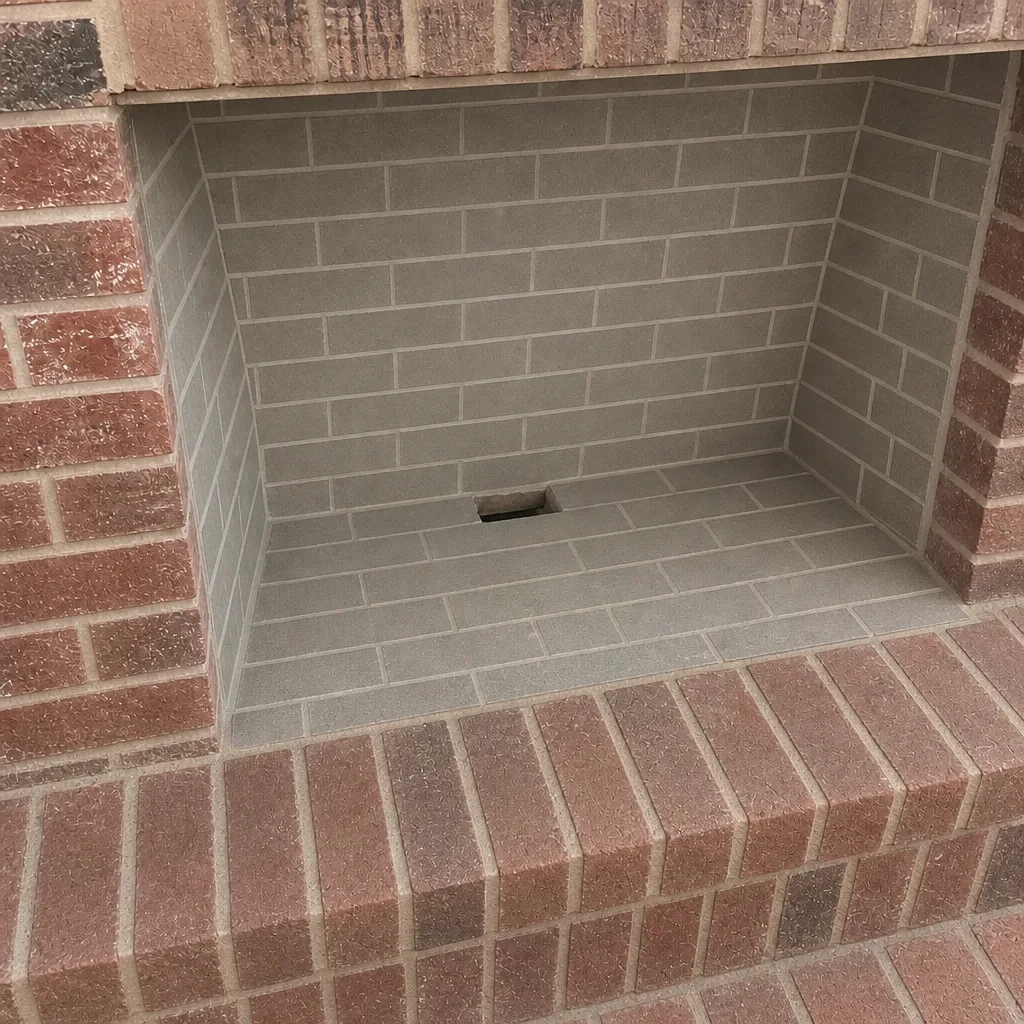
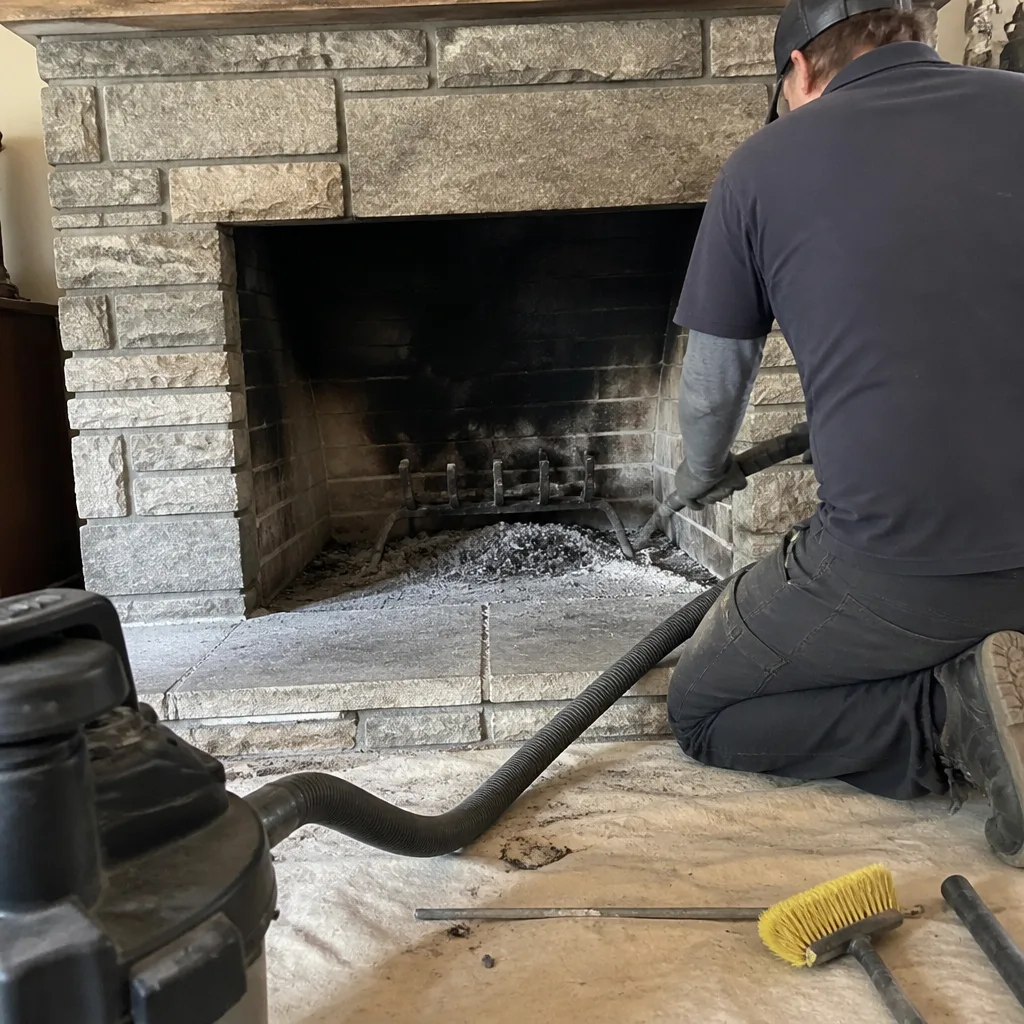
See the difference
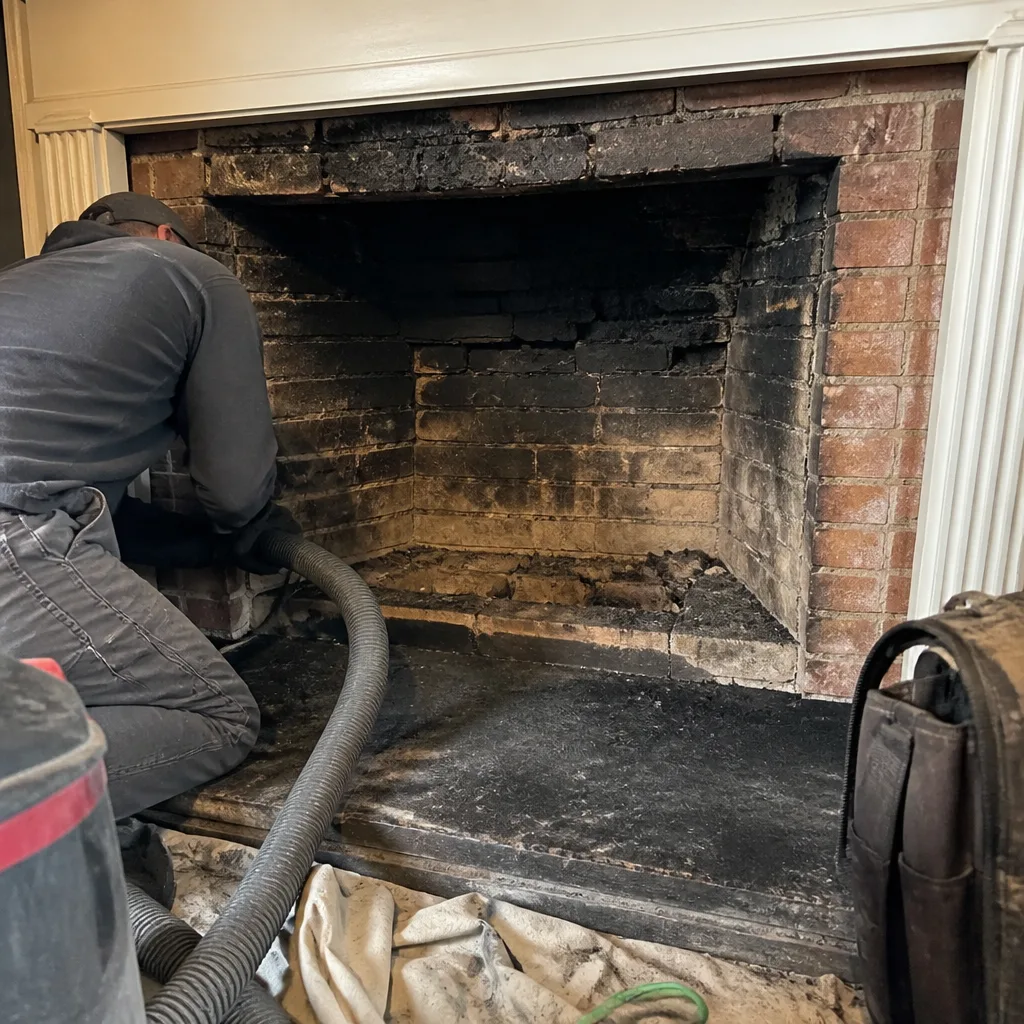 Before
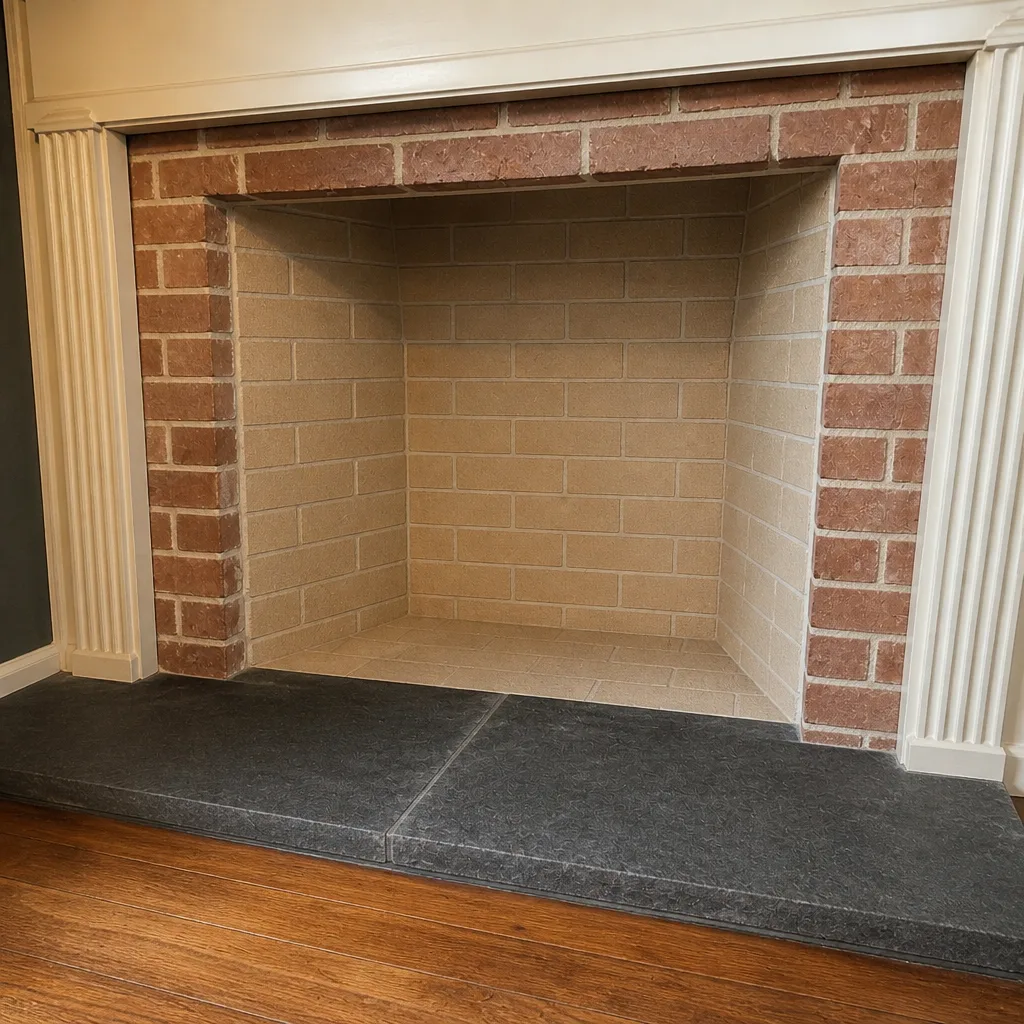 After
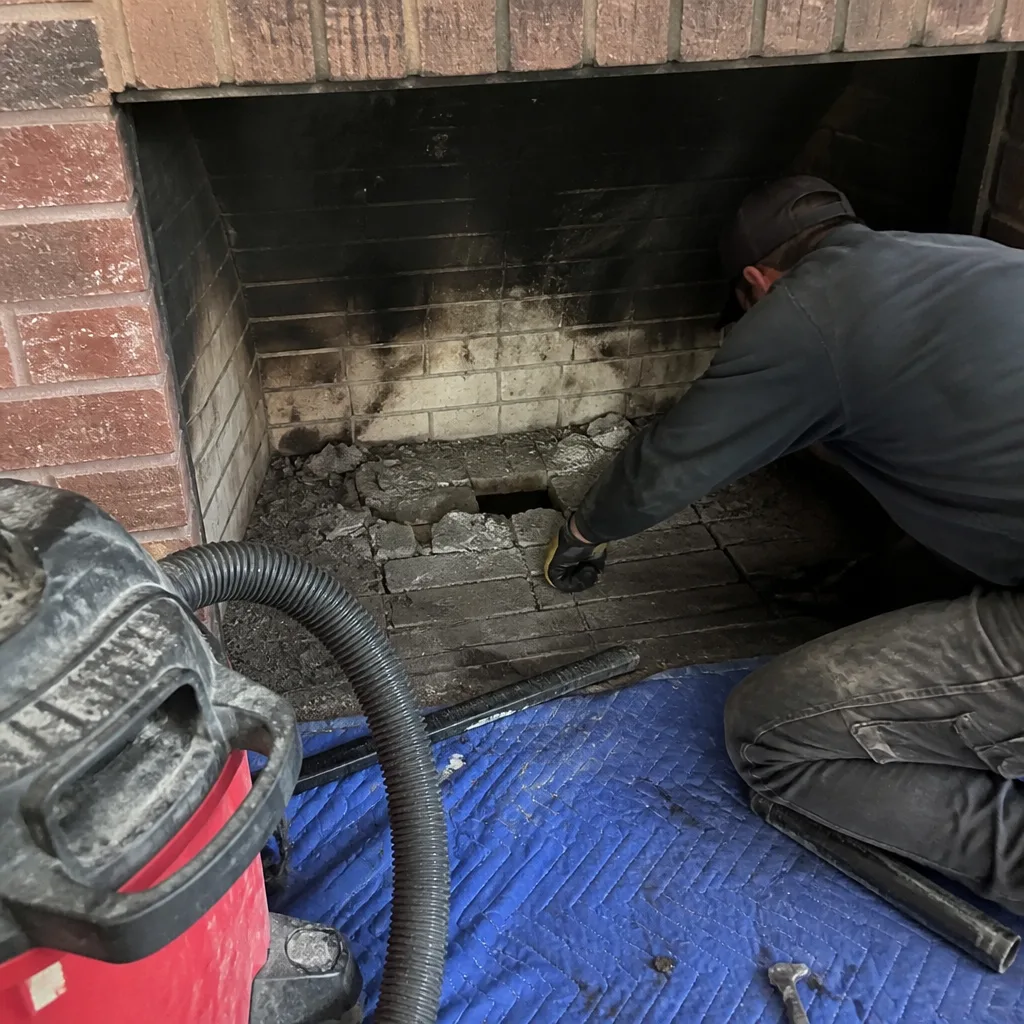 Before
 After
 Before
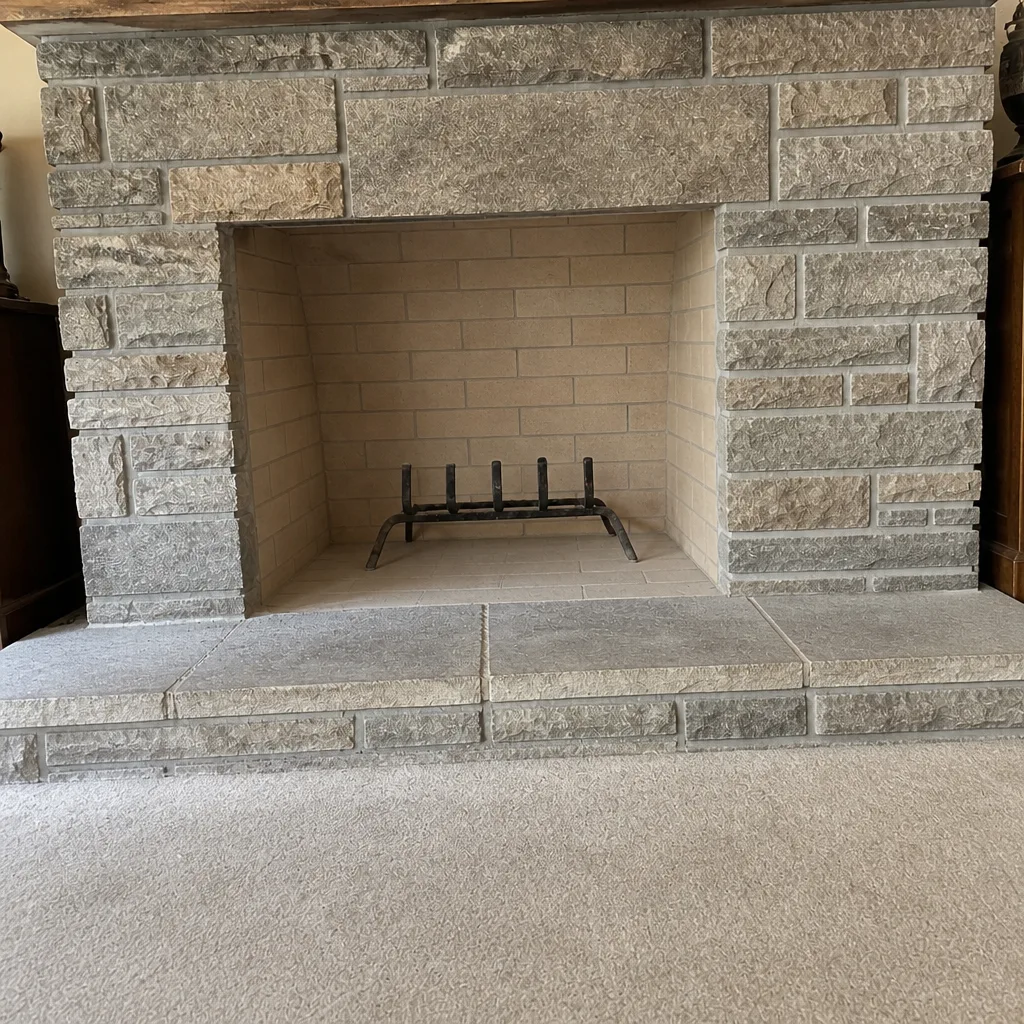 After
When to Call a Professional
Some items on this checklist call for a pro, and it’s worth knowing which ones before a small issue becomes a large one. Stop and call a professional in these cases: you see a cracked or separated crown from the ground; the cap is loose, rusted, or missing its screen; there’s water staining on the ceiling or walls near the chimney; smoke rolls into the room on a test fire even with the damper open; the firebox has loose or missing mortar; you’ve had a chimney fire, confirmed or suspected; or it’s been more than a year since the flue was inspected. An annual inspection and sweep is the backbone of the whole routine, and a camera inspection gives you direct evidence before any repair is recommended. Chimney Sweep Bountiful offers free estimates in Bountiful. Call (833) 482-6554. We answer 24/7. Fast dispatch from 7am to 7pm, Sunday through Friday.
Frequently Asked Questions
Most chimneys should be swept and inspected once a year, and Bountiful’s long burning season is reason enough to stay on schedule. If you burn a lot of fires or the wood is wet, you may need a mid-season check as well. Annual is the safe baseline, and the sweep is the backbone that makes the rest of the checklist work.
A sweep cleans the flue of creosote and debris, while an inspection assesses the condition of the flue, liner, firebox, cap, and crown. They’re different jobs, and the inspection is a standalone service, not something bundled conditionally into a sweep. An inspection gives you a condition report; a sweep makes the flue ready to burn.
You can do a basic visual check with binoculars from the ground, looking for cracks, tilt, or a missing cap screen. You should not get on the roof or a ladder yourself; that’s a real fall hazard. If the ground view turns up anything, or the top of the chimney hasn’t been evaluated up close, a professional should look.
Stop burning and get a professional inspection before you light another fire. The flue can be cracked or damaged even if you didn’t see flames, and a damaged liner lets heat reach the structure around the chimney. A camera inspection and photo report will show exactly what the fire did.
Look inside the firebox with a flashlight for crumbling or missing mortar between the bricks, especially at the sides and back. If a test fire sends smoke into the room with the damper open, eroded mortar joints may be part of the cause. A professional can confirm it and repair it with the right refractory materials.
Smoke in the room is usually a draft problem, and the causes include a blocked flue, a downdraft, or eroded firebox mortar joints that let air leak in at the wrong spot. It’s worth a professional look. A quick check of the firebox and the top of the chimney will tell you which cause you’re dealing with.
The Bottom Line
A chimney maintenance checklist is only worth keeping if you know why each item is on it. In Bountiful, the freeze-thaw cycle makes moisture the biggest threat, which is why the cap and crown checks come first. The firebox mortar ties directly to backdraft and to safety, and the flue is where creosote builds and chimney fires start. The homeowner handles the ground-level visuals, the damper, and the firebox look; the flue, the liner, and anything up on the roof belong to a professional. Keep a written record year over year, sweep and inspect before every season, and handle repairs in the off-season. Our technicians have up to 15 years of experience, and we work with professional-grade materials from lines like DuraFlex and Olympia Chimney so repairs hold up.
One company, every chimney service. Chimney Sweep Bountiful handles sweeping, inspection, fireplace repair, chimney repair, and cap and crown work start to finish. Call (833) 482-6554 for a free estimate. We answer 24/7. Fast dispatch from 7am to 7pm, Sunday through Friday.
Written by the team at Chimney Sweep Bountiful.