
Last updated November 24, 2026
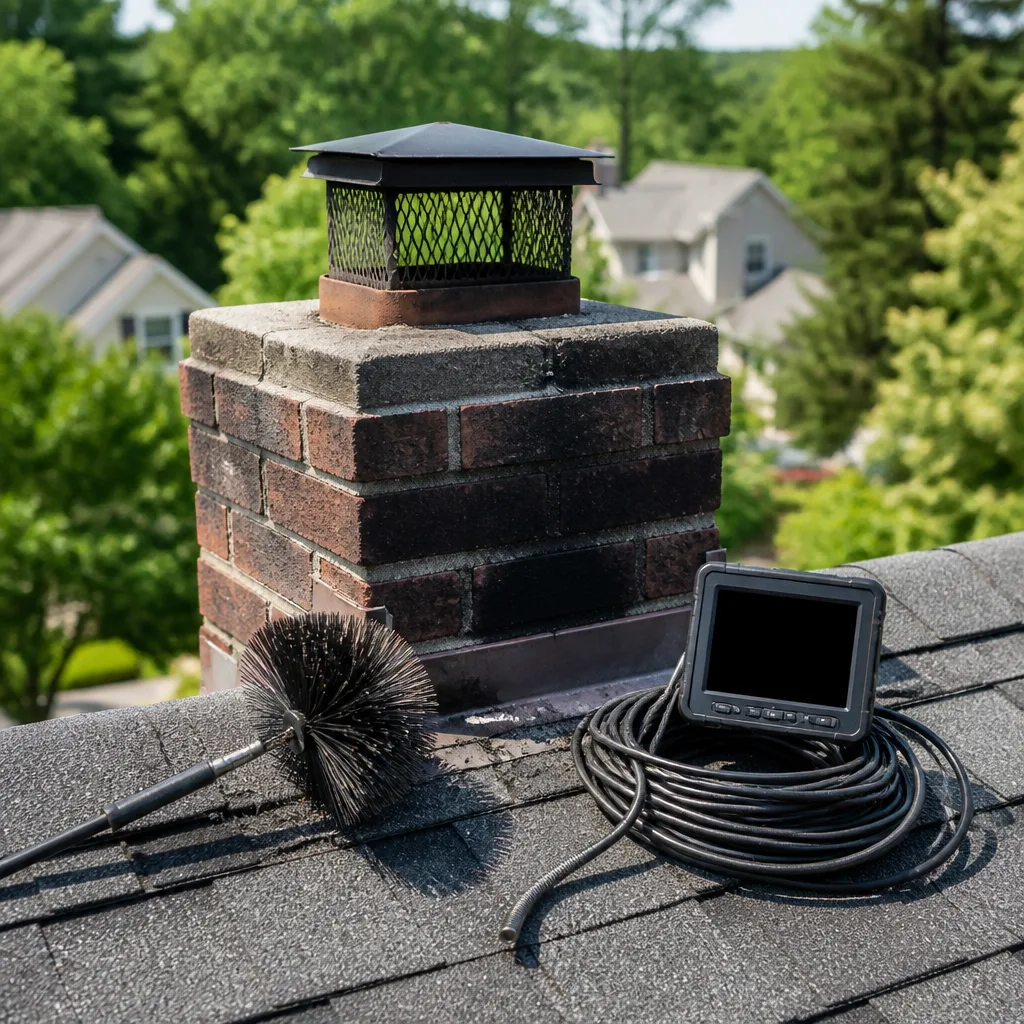 Sweep & inspection
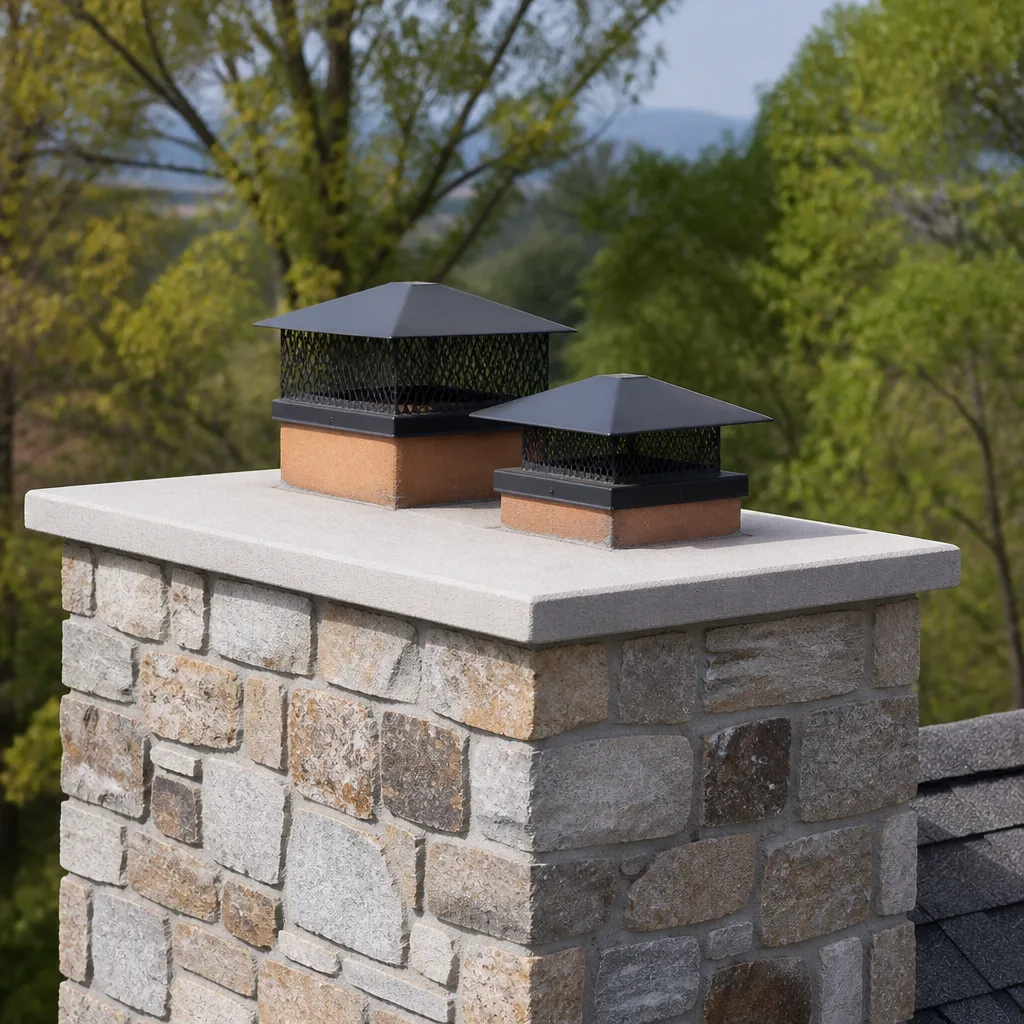 Caps & crowns
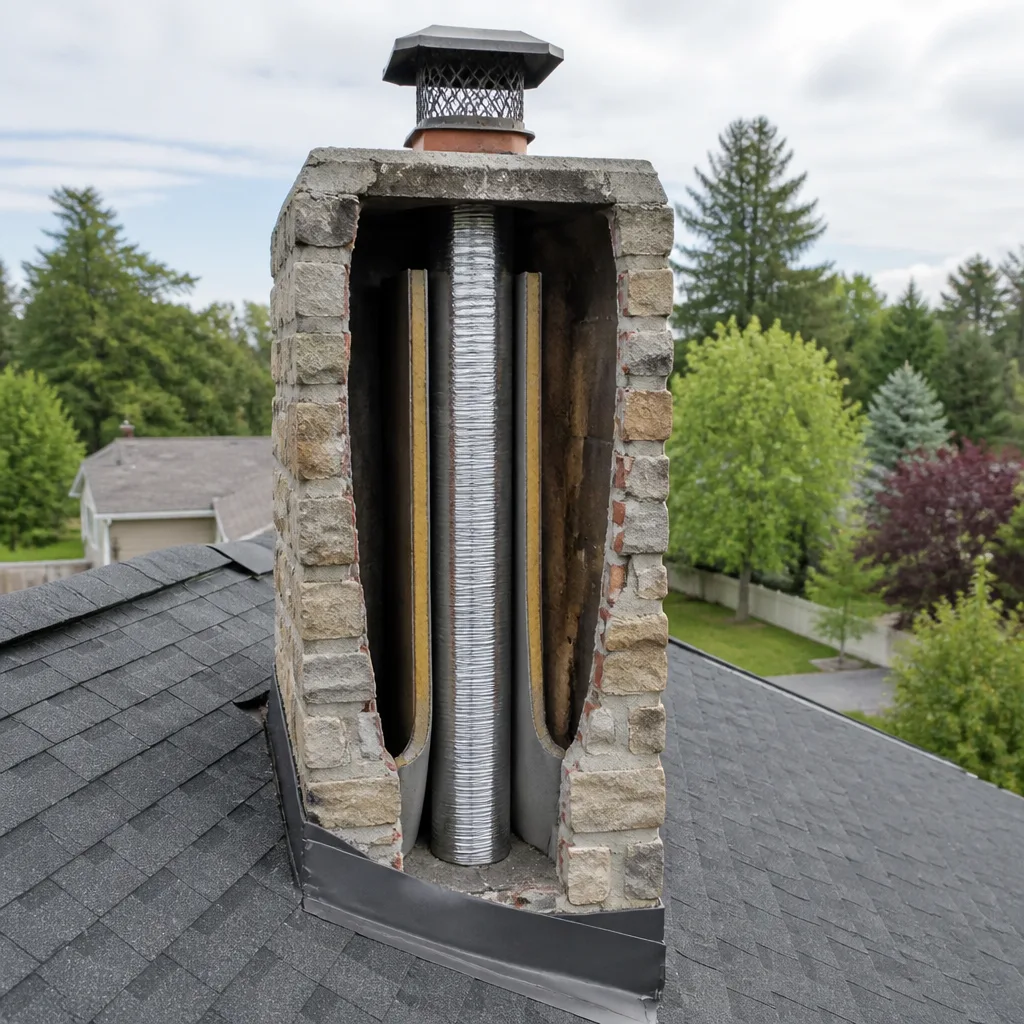 Flue relining
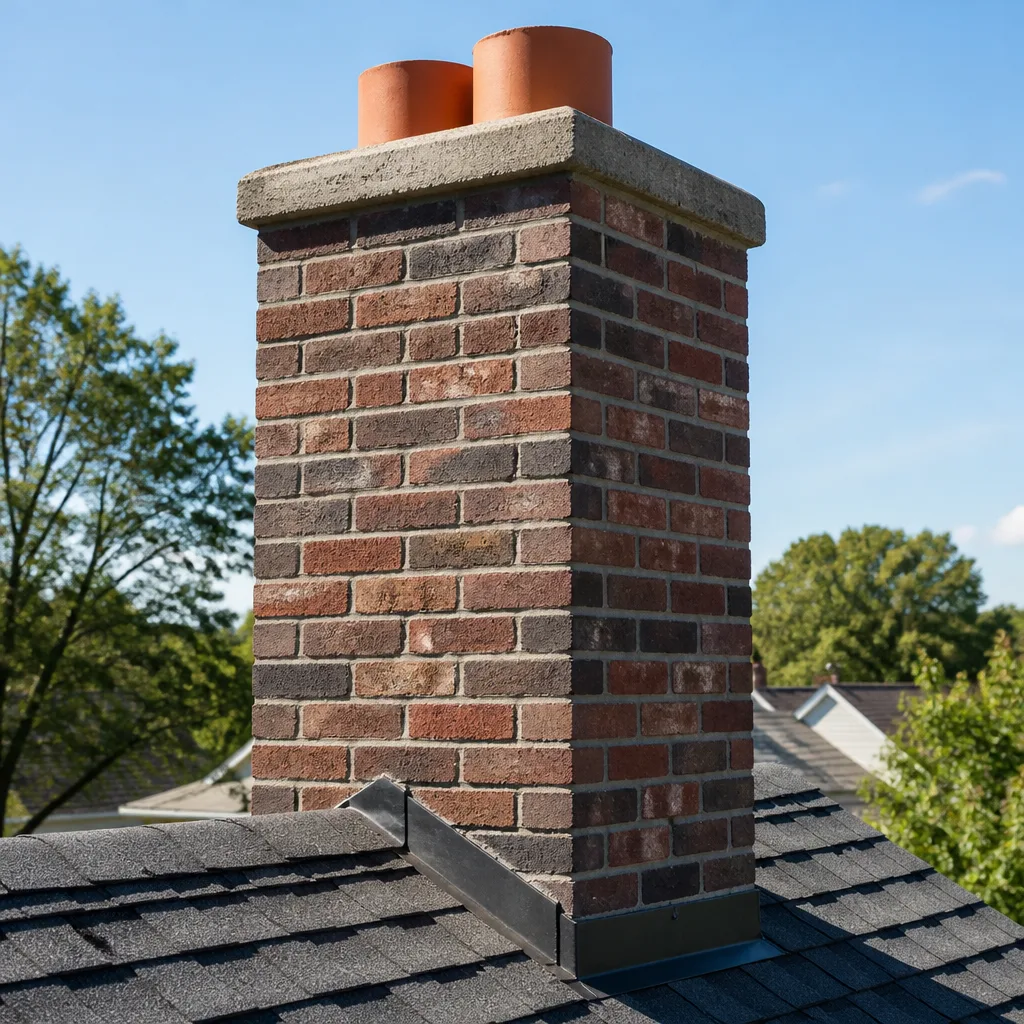 Masonry repair
 Gas fireplace service
Level 1 sweep and inspection to the NFPA 211 annual standard - flue, crown, cap, and flashing checked and photographed
Chimney sweep logs do not sweep chimneys. They loosen some creosote - which then falls where a brush and vacuum still have to collect it.
The Complete Guide to Chimney Cleaning in Bountiful
A chimney can look fine from the living room and still be carrying a glaze of creosote that ignites at 451°F. Most homeowners in Bountiful never learn the difference between a chimney that’s been brushed and one that’s actually been cleaned, because both produce a tidy invoice and a neat stack of soot on the hearth. The gap lives in the layers nobody mentions: what happened to the smoke chamber, whether the liner was assessed, and whether the person holding the brush could see past the first flue tile. This guide maps every layer of a proper cleaning, shows you what a thorough job covers, and points out what gets skipped when the price feels too good. Bountiful’s cold winters make these layers matter more, not less.
Quick Answer
A complete chimney cleaning in Bountiful means three layers done in order: creosote removal from the flue, a smoke chamber assessment where glazed deposits hide, and a liner condition check that often needs a camera to be honest. A brush-only sweep covers the first layer and stops. Our technicians have up to 15 years of experience, and the reliable rule is that a cleaning is only finished when someone can tell you what your liner looks like and show you why.
Styles & brands we work with
- Sweep & inspection
- Caps & crowns
- Flue relining
- Masonry repair
- Gas fireplace service
Table of Contents
- The Three Zones of a Chimney and Why Each Needs a Different Method
- What Creosote Does in Bountiful’s Winters
- What a Level 1 Inspection Covers and What It Can’t See
- Swept vs. Cleaned: The Gap That Matters
- How a Full Cleaning Actually Runs, Step by Step
- Reading a Chimney Cleaning Invoice
- What Chimney Cleaning Costs in Bountiful
- How Often to Schedule a Cleaning
Why a Real Cleaning Is Layered Work
Chimney cleaning gets sold as one task. It’s really three, and they fail in different places. The flue is the obvious one: the vertical passage where smoke rises, where soot clings to the tile and creosote builds in stages from a light dust to a tar-like glaze. The smoke chamber sits above the damper, a corbelled cavity where gases slow down and deposits settle, and it’s the spot most brush-only visits never touch. The liner is the layer underneath both, the clay tile or stainless system that keeps heat and gases away from the framing of your house.
Each zone calls for a different method. The flue wants rotary or poly brushes sized to the tile. The smoke chamber wants hand tools and a mirror, because you can’t brush a corbelled slope clean from below. The liner wants light and a camera. Skip any one of those and you’ve had a partial service sold as a full one. That’s why we sequence the work: creosote removal, smoke chamber assessment, liner condition check, in that order, every time.
The Three Zones of a Chimney and Why Each Needs a Different Method
Understanding the zones helps you ask better questions when you book. It also lets you spot when a quote sounds like it was written for a different kind of chimney than yours.
Zone 1: The Flue
This is the vertical passage running from the firebox up past the roofline. Creosote collects here in three recognizable stages. Stage one is soot and light flake that brushes off easily. Stage two is a crusty, brittle deposit that needs more pressure and a sharper tool. Stage three is the glaze, a hardened, tar-like layer that bonds to the tile and sometimes needs chemical treatment before it can be removed at all. A flue brush handles stages one and two. Stage three needs a different approach, and it’s the one that matters most for fire risk.
Zone 2: The Smoke Chamber
Above the damper, the chimney narrows through corbelled masonry into the flue. Smoke slows here, cools, and drops its heaviest deposits on the sloping walls. Brushing straight up from the firebox misses most of it. The right method is hand-scraping the corbels and inspecting with a mirror or camera. A smoke chamber full of glazed creosote is one of the more common problems we find on older Bountiful homes where the fireplace has been used heavily for years without a proper cleaning.
Zone 3: The Liner
The liner is the safety barrier. Clay tile liners crack with heat cycling and settling. Stainless liners can corrode or separate at the joints. Neither failure is visible from the hearth. A camera run through the flue tells the real story, and it’s the only honest way to answer the liner question. If a crack or gap is found, a HeatShield resurfacing system can sometimes restore the flue without a full liner replacement, which keeps the cost down when the damage is moderate.
What Creosote Does in Bountiful’s Winters
Bountiful sits at the base of the Wasatch Front, and that geography shapes the burning season. Cold air settles against the mountains, and winter mornings often start below freezing. That means a lot of fires get lit from a cold start, then damped down to hold heat through the day. Both habits accelerate creosote.
A cold flue takes longer to warm, so the first minutes of a fire produce cooler smoke that deposits faster on the tile. And a fire that’s been shut down to a smolder produces far more creosote than one burning hot and clean. Across a Bountiful winter, that pattern compresses months of buildup into a shorter, denser season than you’d see in a milder climate. The cycle repeats through the cold months, and by spring the flue can carry far more deposit than the burn volume alone would suggest.
- Cold-start fires deposit faster because the flue hasn’t warmed yet.
- Damped-down overnight fires produce the heaviest creosote loads.
- Inversions along the Wasatch Front trap smoke and slow drafting.
- Homes on the benches see more wind and temperature swing, which drives harder use.
None of this is a reason to stop burning. It’s a reason to schedule the cleaning before the season starts rather than after. A flue that’s been swept in late summer meets the first cold snap clean, and the deposits that form during the season stay manageable.
What a Level 1 Inspection Covers and What It Can’t See
Inspections come in levels, and the level matters. A Level 1 inspection is the basic visual check: accessible portions of the firebox, damper, flue from the top and bottom, and the exterior of the chimney where it can be reached. It’s appropriate for a chimney with no known problems that’s being cleaned on schedule.
What a Level 1 can’t do is see what’s hidden. It can’t assess a liner behind a damper assembly, it can’t evaluate the inside of an offset flue, and it can’t tell you whether the smoke chamber corbels are sound if they’re above the reach of a hand light. Those conditions need a camera, and a camera is a different service.
This is why inspection is a standalone service for us, not a bundled add-on to a sweep. If you’re buying a home in Bountiful, or you’ve just moved in and don’t know the chimney’s history, a dedicated inspection gives you a clear condition report before you commit to anything. When a sweep and an inspection get sold together, the inspection tends to get rushed. Separate services stay honest. We inspect first and recommend second, because the report should drive the recommendation, not the other way around.
- Level 1: visible, accessible portions only. Good for routine maintenance.
- Level 2: includes a camera run of the flue. Standard for a new home, a change of fuel, or after a chimney fire.
- Level 3: invasive, and reserved for a specific known problem that requires opening the chimney structure.
Swept vs. Cleaned: The Gap That Matters
A swept chimney has had the flue brushed. A cleaned chimney has had the flue brushed, the smoke chamber assessed, and the liner checked. The first is a service. The second is the service you thought you were buying.
You can usually tell the difference by what happens after the brushing. A sweep-only visit ends with the tech packing up as soon as the flue brush clears the top. A full cleaning ends with a conversation: what was found, what the camera saw, and what the report says about the liner. If you’ve paid for a chimney sweep in Bountiful and nobody looked up past the damper or ran a camera, you paid for the first half of the job.
The gap isn’t academic. Stage-three creosote in the smoke chamber is one of the most common ignition points in a chimney fire, and it sits in a zone a flue brush never reaches. A homeowner who’s been swept but not cleaned can carry a serious hazard for years with a clean invoice in the filing cabinet. The remedy is either a proper cleaning with the chamber work included, or a dedicated inspection that tells you what’s really there. On older systems with moderate damage, HeatShield resurfacing can restore the flue surface without the cost of a full reline, which is worth knowing before a repair quote lands.
How a Full Cleaning Actually Runs, Step by Step
A proper cleaning follows a sequence, and knowing it helps you follow what’s happening. This is roughly how the process runs on a typical Bountiful home.
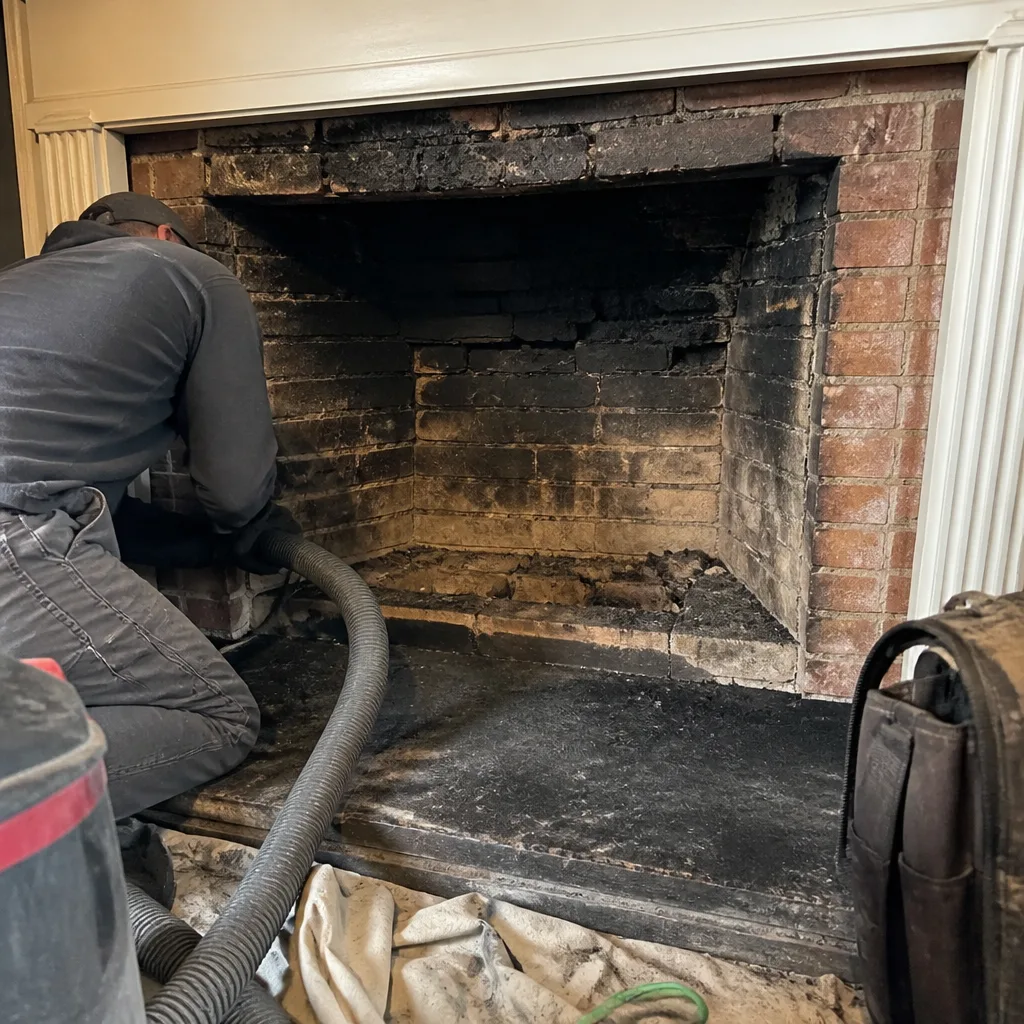
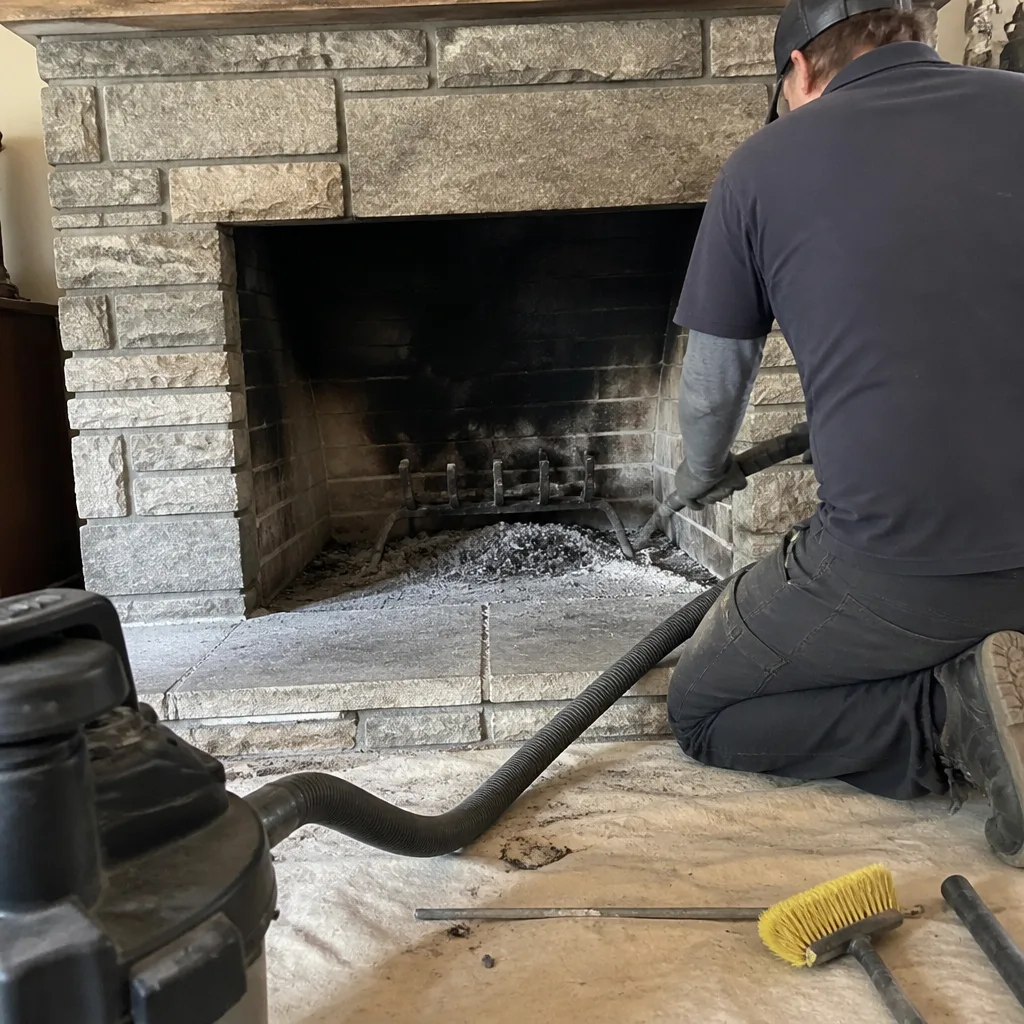
- Protect the room. Drop cloths and a runner cover the hearth and surrounding floor. A vacuum with a HEPA filter hooks up to the firebox so dust stays inside the system, not in your living room.
- Assess the firebox and damper. Before anything gets brushed, the tech checks the firebox for cracks, the damper for smooth operation, and the firebrick for gaps. This is where problems announce themselves early.
- Brush the flue. A brush sized to the flue tile runs up from the bottom, or down from the top when roof access is the better approach. The right tool depends on the deposit stage: poly brush for light buildup, a heavier head for crust.
- Work the smoke chamber. Hand tools and a mirror or camera assess the corbelled walls above the damper. This is the step most brush-only visits skip, and the one that most often reveals glazed creosote.
- Run the camera. A camera through the flue gives an honest look at the liner joints, cracks, and gaps. Photos go in the report so you can see what was found.
- Assess the cap and crown. The chimney cap and crown are checked from the roof or documented from the ground. Both are entry points for water, and both are part of what we look at.
- Clean up and report. The vacuum comes off, the drop cloths get folded, and the findings get explained before anything gets recommended.
The whole sequence is the reason we think of this as one company handling start to finish. If a crack turns up at step five, the same visit can tell you whether it’s a chimney repair case or something that can safely wait. No handoff to a second contractor, no lost paperwork.
Reading a Chimney Cleaning Invoice
An invoice tells you what you actually paid for, and the wording is the giveaway. A thorough invoice names the work done by zone. A thin one lists a sweep and a price and little else.
Here’s what to look for, and what should make you ask questions:
- No smoke chamber line item. The invoice should mention the chamber assessment separately. If it doesn’t, that zone probably wasn’t touched.
- No mention of the liner. A cleaning invoice without any liner observation is a cleaning invoice that stopped at the flue.
- “Swept” as the whole description. A swept chimney isn’t a cleaned one, and the invoice usually reflects that.
- No photos or report. Camera findings should come with images. If the findings are verbal only, ask for the report.
- Repairs recommended with no evidence. A repair quote without camera photos is a quote you can’t verify. Ask to see the evidence before agreeing to anything.
- Cap and crown skipped. If the invoice doesn’t mention either, they probably weren’t checked. Both are the most common entry points for water damage.
None of this means every invoice that looks thin is dishonest. But it does mean you should be able to read your invoice and see all three zones in it. If you can’t, the job stopped early.
What Chimney Cleaning Costs in Bountiful
Chimney cleaning costs in Bountiful depend on the deposit stage, the flue configuration, and whether the smoke chamber or liner needs extra attention. The ranges below are typical estimates for the area, not final quotes. The written estimate sets the actual price, and it’s free.
- Standard sweep, single flue: roughly $150 to $280, depending on access and deposit level.
- Heavy or stage-two creosote removal: roughly $250 to $450, since the deposit takes longer and more pressure to clear.
- Smoke chamber scraping: roughly $100 to $250 as an add-on, when the corbels carry glaze.
- Dedicated inspection with camera: roughly $150 to $350, depending on flue length and roof access.
- Cap installation: roughly $150 to $400, depending on material and fit.
- Crown repair or rebuild: roughly $300 to $800 or more, depending on the extent of the damage.
- HeatShield resurfacing: priced by flue length and condition, quoted per job after inspection.
We agree the sweep price before we book, so you’re not learning the number after the work is done. Cap and crown work goes in the same estimate when it’s needed, since both are part of what we look at on every visit. If something can safely wait, we’ll tell you that plainly. The honest answer is part of the service.
How Often to Schedule a Cleaning
The general rule is once a year for a home with an active fireplace, or more often if the flue carries heavy use. For Bountiful’s cold-start winters, an annual cleaning timed for late summer or early fall makes sense: the flue enters the season clean and the deposits that build through the winter stay manageable.
Some situations call for a cleaning sooner. A new home purchase should include a dedicated inspection before the first fire. A change in fuel, such as switching from wood to gas, should trigger one. A chimney fire, even a small one, always warrants a Level 2 inspection before the next burn. And any time you see glazed creosote or smell a strong, acrid odor from the firebox when the fireplace is cold, that’s a signal to book sooner.
We answer 24/7. Fast dispatch from 7am to 7pm, Sunday through Friday. Book before the cold sets in and the seasonal rush passes you by.
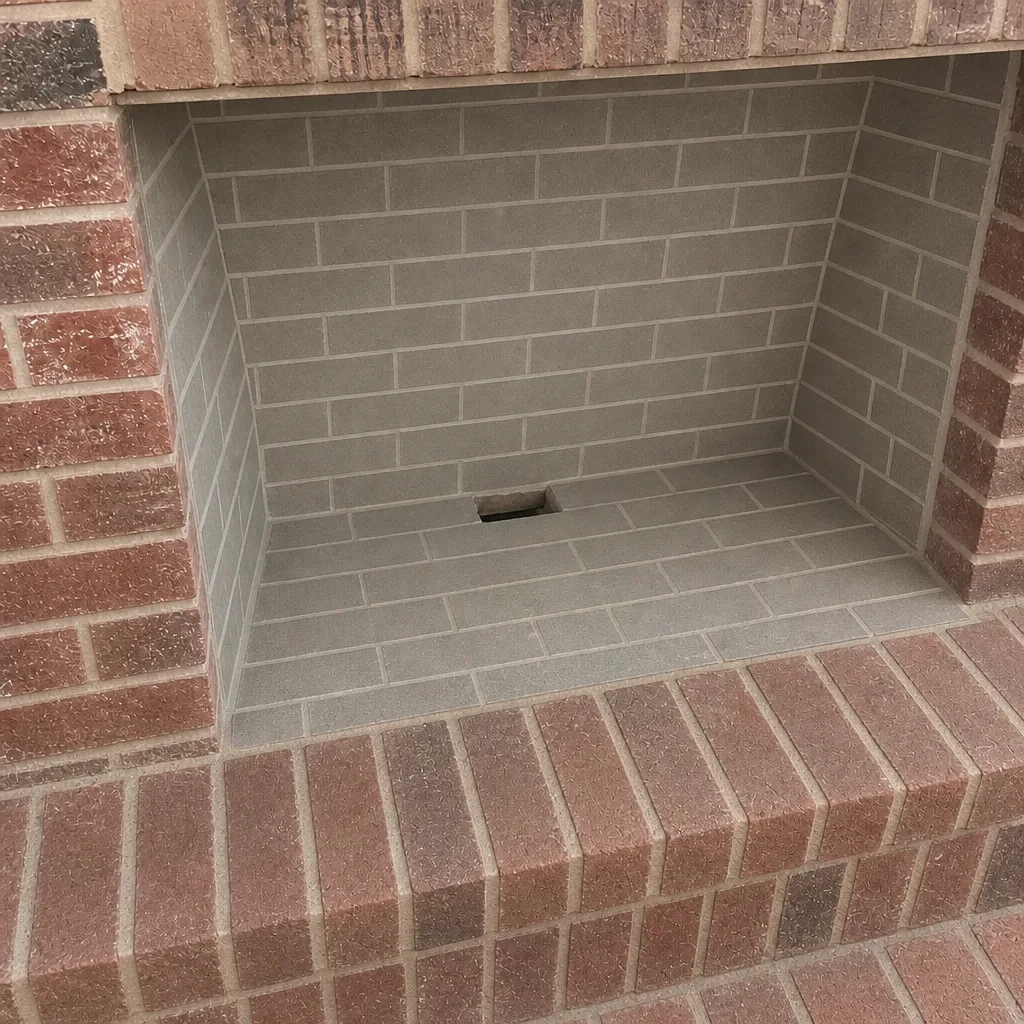
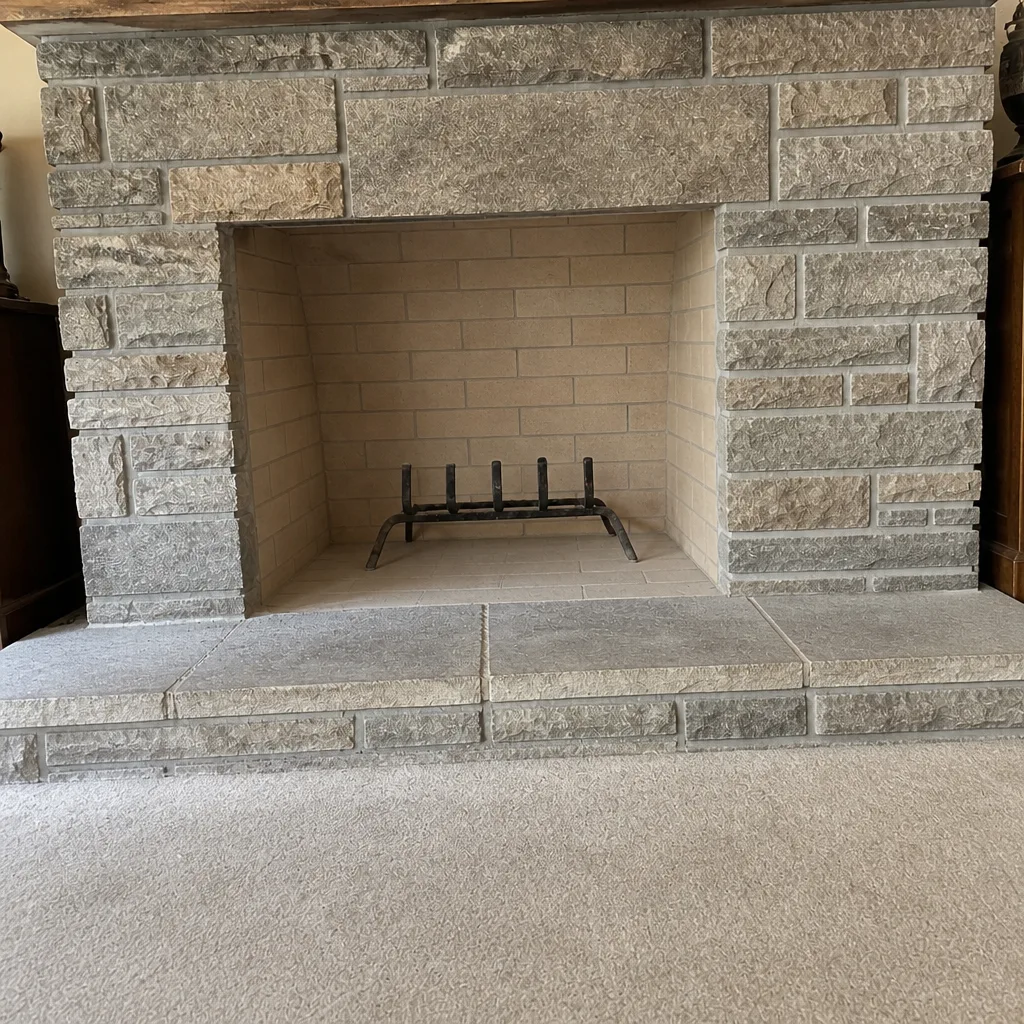
See the difference
 Before
 After
 Before
 After
 Before
 After
Common Mistakes to Avoid
- Treating chimney cleaning as one task. A brush and a bill isn’t a cleaning. Insist on the smoke chamber and liner check in the same visit, or book them as a separate service.
- Buying the cheapest sweep in Bountiful. The lowest price often skips the chamber work and the camera. You save a little and lose the whole point of the service.
- Relying on a visual check to clear the liner. A camera is the only honest way to assess joints and cracks. A visual check tells you the firebox looks fine, not that the liner is sound.
- Skipping a standalone inspection after a home purchase. Buyer beware, and the chimney is one of the most commonly missed items in a pre-purchase look-through.
- Damping down fires for long stretches through the winter. Overnight smolders deposit creosote faster than hot fires. Burn hot when you burn, and schedule the cleaning accordingly.
- Ignoring the cap and crown. Both are where water gets in. A missing or damaged cap drives masonry damage through a Bountiful winter, and the repair is always more expensive than the prevention.
- Accepting a repair quote with no photos. A camera report with images lets you verify what’s being recommended. Without it, you’re paying on trust alone.
When to Call a Professional
Call a professional when the flue hasn’t been cleaned in over a year, when you’re buying or moving into a home in Bountiful, or when you notice glazed creosote, a persistent acrid smell, or smoke rolling back into the room. Call after any chimney fire, even a small one, before you burn again. Call when the cap is missing or the crown shows cracks, since both invite water damage through the masonry. Call if the damper sticks or the firebox shows cracked brick. And call for a standalone inspection when you want a clear condition report before committing to any repair work at all. Chimney Sweep Bountiful offers free estimates in Bountiful. Call (833) 482-6554 to book.
Frequently Asked Questions
A typical chimney cleaning in Bountiful runs about $150 to $280 for a standard single-flue sweep, with heavy or stage-two creosote removal landing closer to $250 to $450. Smoke chamber work and a camera inspection, when needed, add to the total. The written estimate sets the final price and is free. Call (833) 482-6554 for an exact quote.
Once a year for an active fireplace, and sooner if the flue carries heavy use or you burn damped-down overnight fires. Bountiful’s cold-start winters accelerate creosote buildup, so late summer or early fall is the smart time to schedule. Call (833) 482-6554 to book before the season starts.
Creosote keeps building, and once it reaches stage three it becomes a tar-like glaze that ignites readily. A flue can look fine from the fireplace and still carry a serious fire hazard. Carbon monoxide risk also rises when a flue is blocked or the liner is compromised. Call (833) 482-6554 to schedule a sweep and inspection.
Not always. A camera inspection tells you whether the liner is genuinely cracked or whether a resurfacing system like HeatShield can restore it without a full replacement. That’s the reason we inspect before recommending. Anything we suggest comes with camera evidence you can see for yourself, and we’ll tell you plainly when a repair can safely wait.
A swept chimney has had the flue brushed. A cleaned chimney has also had the smoke chamber assessed and the liner checked, usually with a camera. The second is the full job, and the first is often what a cheap price buys you. Ask what’s included before you book.
Yes. Inspection is a standalone service, not an add-on to a sweep, and it’s the right call before you close on a Bountiful home. You get a clear condition report with camera findings before committing to any repair work. Call (833) 482-6554 to book an inspection.
The Bottom Line
Chimney cleaning is layered work: the flue, the smoke chamber, and the liner, each with its own failure point. A brush-only sweep touches the first and stops, and Bountiful’s cold-start winters make that gap matter more than it does in milder climates. A proper cleaning covers all three zones, ends with a camera report you can see, and recommends only what the evidence supports. Cap and crown work belongs in the same conversation, since both are where water gets in. Inspect first, recommend second, and know what you’re paying for before the brush comes out. That’s the whole guide.
Ready to book? Call (833) 482-6554 for a free estimate. We answer 24/7. Fast dispatch from 7am to 7pm, Sunday through Friday. The local pros we connect you with are licensed and insured as their state requires, and every sweep starts with a flat price agreed before we book. Whether you need a routine chimney sweep, a standalone inspection, fireplace repair, or cap and crown installation, we handle it start to finish. Learn more about Chimney Sweep Bountiful and the full range of chimney services we cover.
Written by the team at Chimney Sweep Bountiful.