
Last updated November 24, 2026
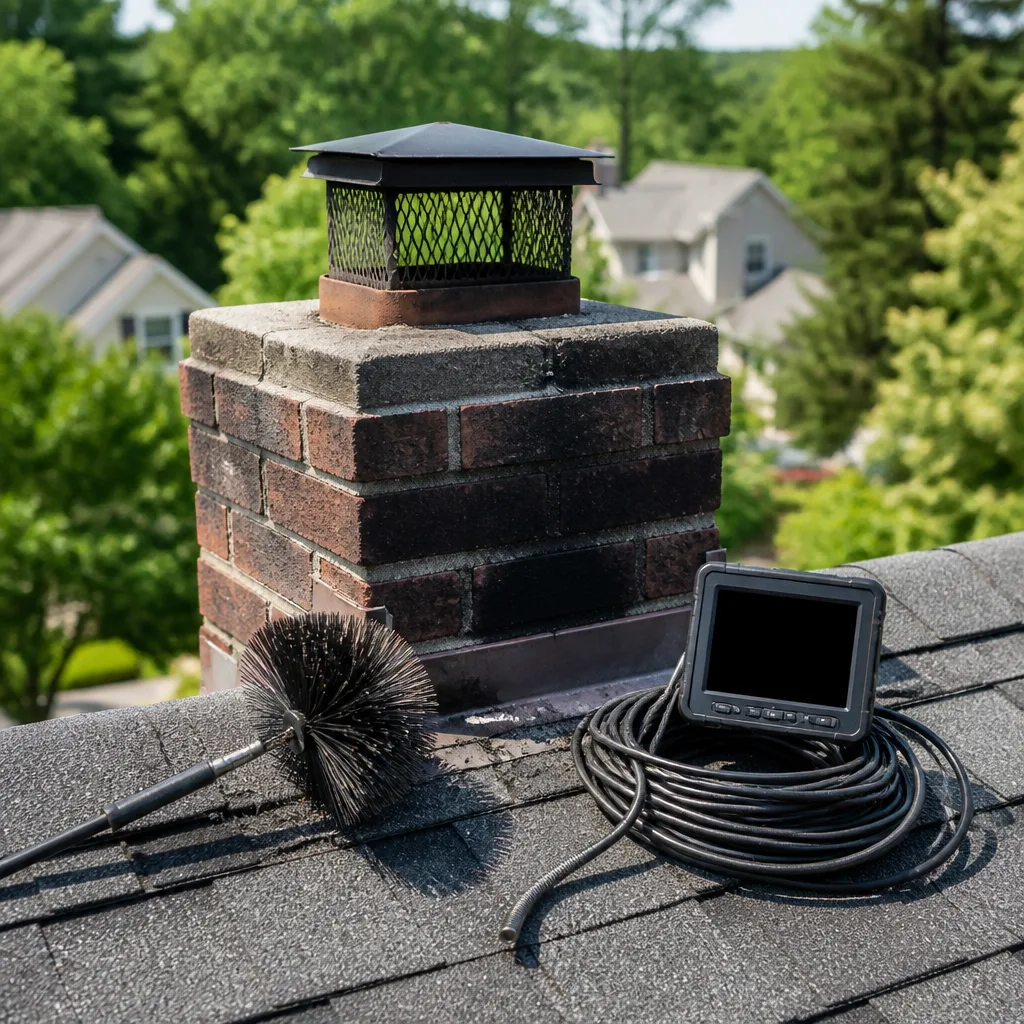 Sweep & inspection
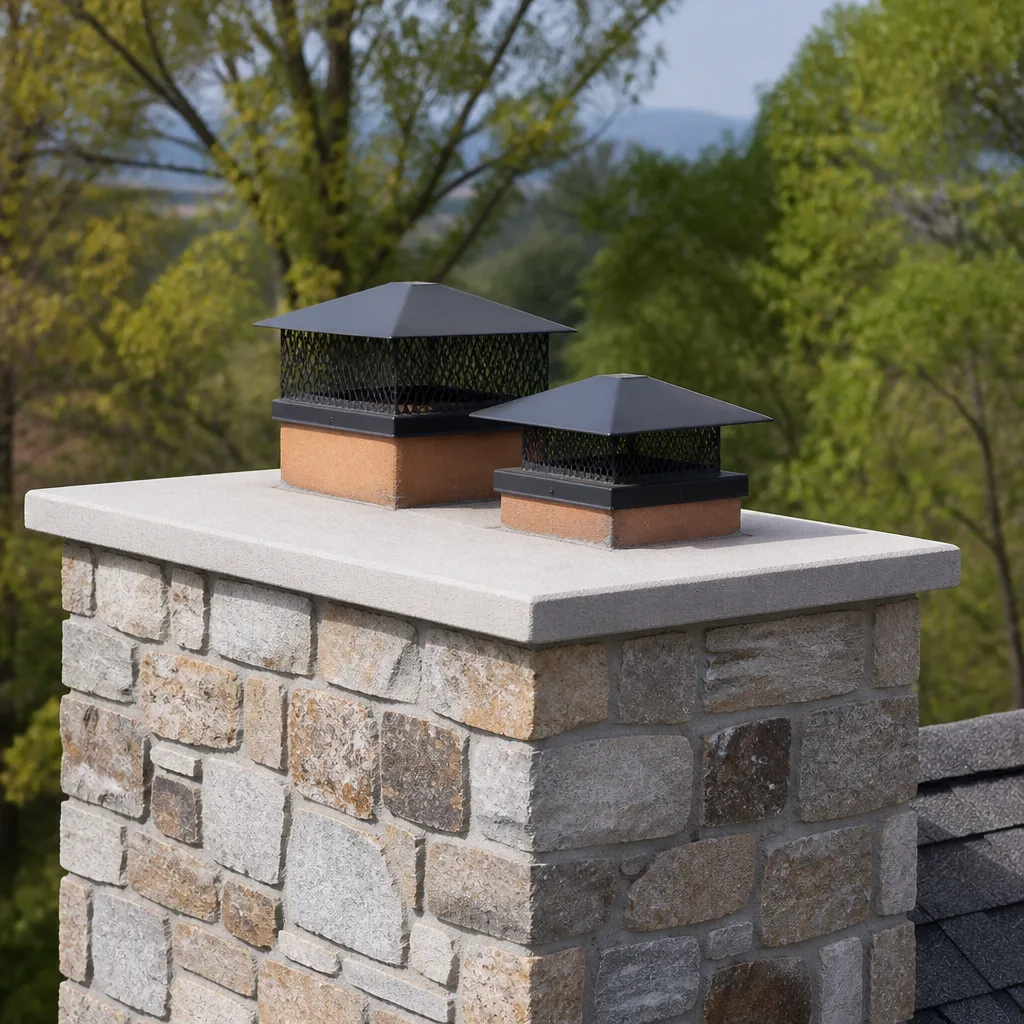 Caps & crowns
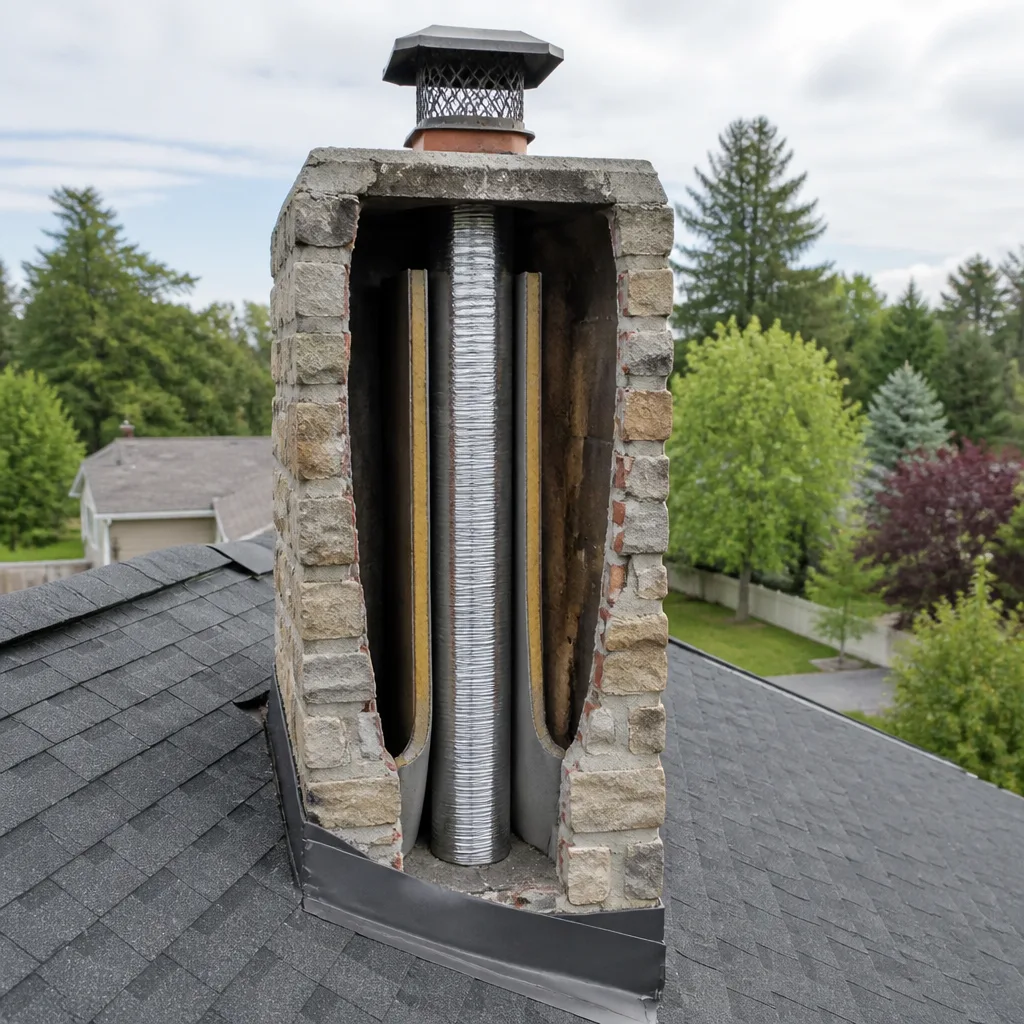 Flue relining
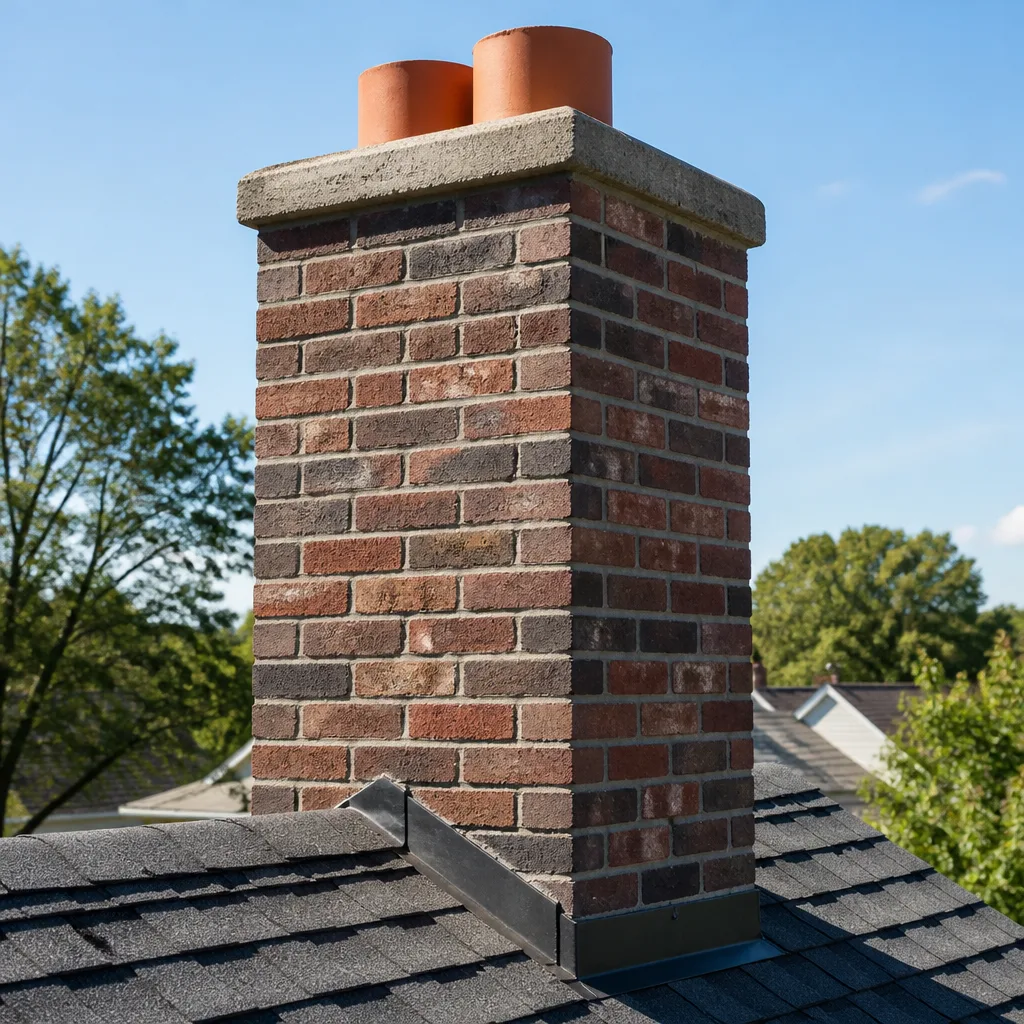 Masonry repair
 Gas fireplace service
Level 1 sweep and inspection to the NFPA 211 annual standard - flue, crown, cap, and flashing checked and photographed
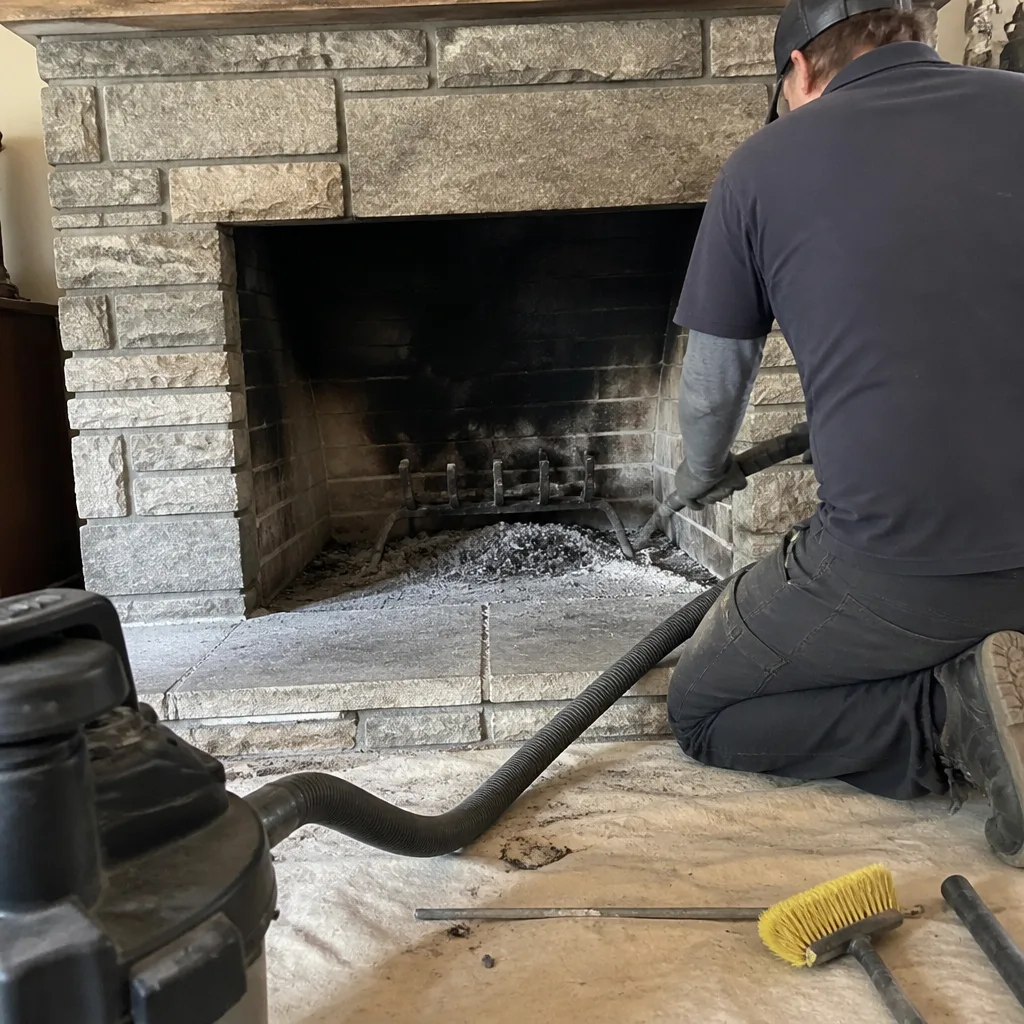
Chimney sweep logs do not sweep chimneys. They loosen some creosote - which then falls where a brush and vacuum still have to collect it.
Chimney Cleaning Emergency Preparedness Guide for Bountiful Homes
Most homeowners think chimney preparedness means having a fire extinguisher nearby and knowing where the flue handle is. It doesn’t. The decision that matters most happens in the 90 days before winter, when a sweep, an inspection, and a cap check either eliminate the most common fire scenarios or leave them in place. Response matters too, but it’s the second half of a single plan: prevention first, response second, inspection after. This guide covers all three for Bountiful homes that burn wood through a long heating season, in a valley where cold settles in and inversions keep smoke low. You’ll learn what to check before the season, how to respond in the first minute if a fire starts, and why a chimney that survived a fire still isn’t safe to burn in without a proper inspection.
Quick Answer
Emergency chimney preparedness in Bountiful comes down to three moves: get the flue swept and inspected before the heating season starts, learn the response protocol for a flue fire before you need it, and treat every chimney fire, even a small one, as a reason for a professional Level 2 inspection before you burn again. Most chimney fires are caused by accumulated creosote igniting, and a pre-season sweep removes that fuel before it can burn. The response protocol is simple to learn and worth rehearsing once with your household.
Styles & brands we work with
- Sweep & inspection
- Caps & crowns
- Flue relining
- Masonry repair
- Gas fireplace service
Table of Contents
- Why Bountiful Chimneys Face Extra Pressure
- The 90-Day Pre-Season Plan
- Creosote, Smoke, and the Fire Triangle
- Using the Damper as a Fire-Limiting Tool
- Step-by-Step Chimney Fire Response
- What to Tell the Fire Department
- The Post-Fire Inspection Requirement
- Common Mistakes to Avoid
- When to Call a Professional
- Frequently Asked Questions
Why Bountiful Chimneys Face Extra Pressure
Bountiful sits against the Wasatch foothills where cold air pools in the valley and warm air sits above it. That inversion pattern is familiar to anyone who lives here, and it does something specific to a chimney: on still, cold days, the flue doesn’t draft as hard, smoke lingers longer, and combustion is less clean. Less clean combustion builds creosote faster. A homeowner in Bountiful who burns four or five cords of wood through a long winter is asking more of the flue than a homeowner in a milder climate who burns a cord and a half.
The housing stock matters too. Older homes in Bountiful often have masonry chimneys built with clay tile liners, some of which have been in service for many decades. Those liners crack, spall, and lose their seals over time, and a cracked liner allows heat and gases to reach the framing. Newer construction sometimes uses factory-built metal chimney systems, which have their own clearances and their own failure points. Either way, the chimney is a system, and a system degrades quietly.
Two more local factors push chimney problems toward the emergency category:
- Long, cold heating seasons. More burn days means more creosote accumulation per year than a mild climate produces. A flue that would stay clean for two seasons somewhere warmer can build a dangerous layer in Bountiful in one.
- Inversion-driven poor draft. When smoke hangs and doesn’t clear, combustion is incomplete, and incomplete combustion is what makes creosote in the first place.
None of this means Bountiful chimneys are inherently unsafe. It means the margin for skipping maintenance is thinner here than in places with shorter winters. That’s the reason this guide puts preparation before response: in this climate, preparation prevents most of the emergencies that response would otherwise have to handle.
The 90-Day Pre-Season Plan
Three months before your first fire of the season is the right window to start. It’s enough lead time to book a chimney sweep, schedule an inspection, order any parts, and complete any repairs before cold weather forces the issue. If you’re close to the season already, start at step one and compress the rest. Late is better than never, but the point of the 90-day plan is to avoid booking a sweep on the same week you want to light the first fire.
Here’s the sequence we recommend for a Bountiful home with an active fireplace:
- Month one: book a chimney inspection. An inspection is the diagnostic step and it comes before the sweep, not after. A Level 1 inspection covers what’s visible and accessible. A Level 2 inspection includes a video scan of the flue and is what you want if the chimney is new to you, has never been inspected, or has been through a fire or a chimney fire. Inspection is a standalone service, and we offer it that way so you can get an unbiased picture of the chimney’s condition before anyone recommends work.
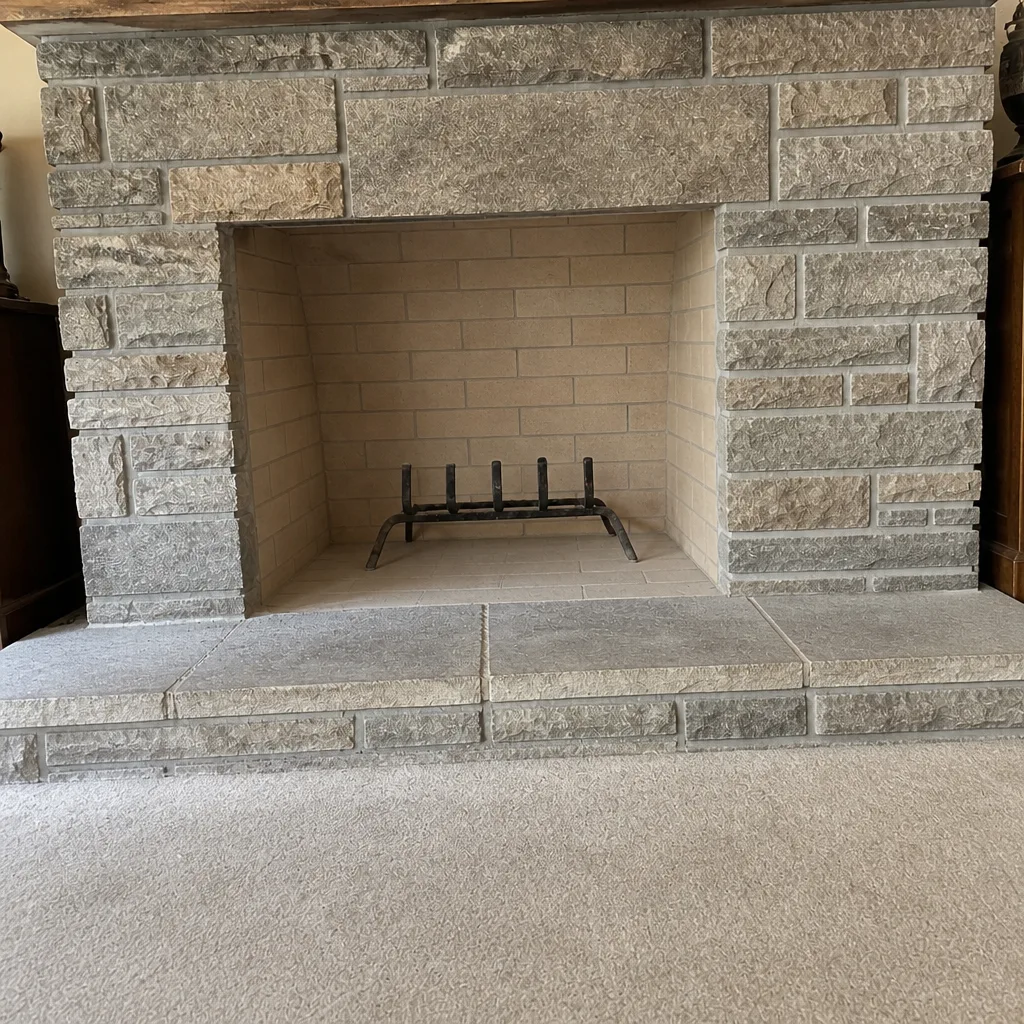
- Month one: book the sweep. If the inspection shows heavy creosote, the flue needs to be cleaned before the season. A sweep uses brushes and a HEPA vacuum to remove creosote and soot without spreading dust through the house.
- Month two: address anything the inspection flagged. Cracks in the crown, a missing or damaged cap, spalling in the firebox, a corroded damper, a liner with gaps. Some repairs are small and can be handled before the season. A cracked crown or a missing cap lets water in, which is the most common cause of chimney damage over time. We handle chimney repair and cap-and-crown work as part of the same visit, so you don’t need a separate contractor.
- Month two: check your smoke and carbon monoxide detectors. Chimney fires and carbon monoxide problems both give you time if you find them early and none if you don’t. Test the batteries, check the expiration date on the detectors themselves, and make sure you have a CO detector on every level of the home.
- Month three: do a dry run. Open the damper, light a small fire, and watch how the smoke behaves. If the draft is poor, smoke enters the room, or the fire struggles, stop and call. This is the step most homeowners skip, and it’s the one that catches problems before you’re relying on the chimney in cold weather.
- Month three: stock the basics. A fire extinguisher rated for wood fires, a metal ash can, and a sturdy set of fireplace tools. Nothing fancy. Just the things you want nearby and not in the garage.
One company, every chimney service, matters during the pre-season. When inspection, sweeping, repair, and cap-and-crown work all come from the same source, nothing gets handed off between contractors and nothing gets lost in translation. Our technicians have up to 15 years of experience, and we handle it start to finish.
Creosote, Smoke, and the Fire Triangle
Most chimney fires start the same way: creosote that has built up on the flue walls ignites. Creosote is the residue of incomplete combustion, and it accumulates in three forms. A light, dusty layer is easy to brush off. A flaky, crusty layer is harder. A glazed, shiny layer is the hardest to remove and the most combustible. Glazed creosote is the kind that feeds a serious flue fire, because once it lights, it burns hot and long.
What produces creosote? Three things, and they’re the three sides of a fire triangle for chimney trouble:
- Wet or unseasoned wood. Wood that hasn’t dried enough burns cool and smolders. Smoldering makes smoke, smoke makes creosote. Seasoned wood is the single biggest lever you have. Split wood that’s dried for a full season, and don’t burn green wood just because it’s what’s stacked.
- Cool flue temperatures. A flue that doesn’t get hot enough doesn’t burn off the residue as it forms. In Bountiful, inversion conditions and cold starts work against you. Burning a small, hot fire is better for the flue than a smoldering, slow one.
- Restricted airflow. A closed or partly closed damper, a clogged cap, or a blocked flue starves the fire of oxygen without starving it of fuel. That’s a smoldering fire by another name.
The fire triangle applies to chimney fires the same way it applies to any fire: take away fuel, heat, or oxygen, and it can’t sustain. In the case of creosote, you take away fuel by sweeping the flue before the season. You limit heat by not letting it accumulate. You control oxygen with the damper. That’s why the pre-season sweep isn’t just maintenance: it’s the single most effective way to prevent a chimney fire from happening at all.
Wood quality matters as much as wood quantity. A woodpile that looks like a woodpile can still be too wet to burn safely. If you’re not sure, split a piece and check the inside. Dry wood looks dry on the outside and feels light. Wet wood feels heavy and looks dark inside. In Bountiful’s dry summers, a stacked load can season well in a few months, but only if it’s covered and off the ground.
Using the Damper as a Fire-Limiting Tool
Most homeowners use the damper as an on-off switch. Open to burn, closed when done. That’s incomplete, and during a flue fire it costs you options. The damper is a fire-limiting tool, and using it correctly depends on knowing what it does and what it doesn’t.
What the damper does: it controls how much air moves up the flue. Open, it feeds the fire and improves draft. Closed, it starves the fire of oxygen, which slows combustion and, in a flue fire, limits how much air reaches the burning creosote. What the damper doesn’t do: it doesn’t seal the firebox. Even a closed damper is not airtight, and it’s not a substitute for calling the fire department.
Here’s how to use it well:
- Know where the handle is and which way it moves. This is the part people get wrong. A damper handle that’s stiff or rusted, or one you haven’t touched in months, is the last thing you want to fumble with during a fire. Open and close it a few times before the season so you know how it moves and whether it needs attention.
- Don’t rely on the damper alone during a fire. Closing it is a step, not a solution. It reduces the air supply and slows the fire, but the fire department still needs to be called, the flue still needs to be inspected afterward, and a fire that appears out doesn’t always stay out.
- If your damper is stuck, broken, or missing, get it repaired before the season. A damper that won’t close can’t limit a fire. That’s a fireplace repair item, and it’s worth handling before cold weather, not during a fire.
A properly functioning damper is part of a system that works together: the cap keeps water and animals out, the flue carries smoke up, the damper regulates air, and the firebox contains the fire. When one part is compromised, the others work harder. For homes in Bountiful, where the chimney operates for months at a stretch, small damper problems compound fast.
Step-by-Step Chimney Fire Response
A chimney fire is fast and loud and not always obvious. Some are dramatic: roaring, shaking the flue, throwing sparks or flames from the top. Others are quiet: a low rumble, a smell of hot creosote, a sudden spike in heat. The quiet ones are more dangerous because homeowners don’t recognize them for what they are. The steps below are written for the moment you smell it or hear it, not the moment you’re certain. Acting on a false alarm is fine. Waiting on a real one is not.
Here’s the response protocol we recommend:
- Get everyone out of the house. This is the first step, and it happens before anything else. No gathering belongings, no checking the firebox, no calling the fire department from inside. Get people and pets out and to a safe distance.
- Call 911 from outside. Fire departments respond to chimney fires, and the sooner they’re dispatched, the better. Don’t assume the fire is out because the noise stops.
- Don’t open the damper or the firebox. If the fire is still burning, a closed damper limits the air supply and slows it. Opening the firebox door can let air rush in and feed the fire. If the damper is already closed, leave it.
- Don’t throw water down the chimney. Water on a hot flue can shatter a clay liner or crack a metal one, and the steam it creates is dangerous. This is a job for the fire department, not for a bucket.
- Watch the roof and the chimney top if you can do so safely. Sparks and flames from the top are useful information for the responders. Don’t climb onto a roof to check.
- Don’t re-enter until the fire department says it’s safe. After the fire is out, carbon monoxide can still be present, and the chimney can still be hot enough to reignite.
That’s the whole protocol. Short, and easy to rehearse once a year. The part most households miss is step one: getting out happens before the phone call. Practicing that order once makes it automatic when it counts.
What to Tell the Fire Department
When you call, you’ll be asked to describe the situation. Here’s what’s useful and what isn’t. The dispatcher needs to know what kind of fire it is, where it is, and whether everyone is out. Tell them, in order:
- People first. “Everyone is out of the house” or “There are people still inside.” Location: your address, the structure type, and that the fire is in the chimney or flue.
- What you see and hear. A roar, a rumble, sparks from the top, visible flames, smoke. Any of these is useful.
- What kind of chimney it is. Masonry or factory-built, wood-burning or gas. If you don’t know, say you don’t know. A dispatcher who knows it’s a masonry chimney can prepare responders.
- What’s been done so far. “The damper is closed,” “the firebox door is shut,” “we didn’t throw water.” What’s already been done matters.
What not to do before they arrive: don’t try to put the fire out yourself, don’t open the firebox to look inside, don’t pour water down the flue, don’t climb the roof, and don’t re-enter the house. In Bountiful and the surrounding hills, some homes are close enough together that a chimney fire can spread to a roof or a nearby structure. Fire departments treat chimney fires as a structure fire until they’ve confirmed otherwise, and the things you do before they arrive either help that response or complicate it. The single most helpful thing is the one you’ve already done: getting everyone out.
The Post-Fire Inspection Requirement
A chimney that survived a fire isn’t automatically safe to use. This is the step homeowners most often skip, and it’s the one that matters most. A chimney fire can crack a clay liner, warp or separate a metal liner, damage the crown, or open gaps at the flue joints. Some of that damage is visible from the firebox. Some of it isn’t, and the part you can’t see is the part that fails next time.
Here’s why a proper inspection is required after any chimney fire:
- A Level 2 inspection includes a video scan of the flue. That’s the only way to see the full interior of the liner. A visual check from the firebox doesn’t reach it.
- Hairline cracks are the real problem. A liner that looks intact from the outside can have cracks and gaps that let heat and gases reach the framing. A chimney fire often makes those cracks worse.
- Damage often compounds. A small liner crack before a fire becomes a large one after, because the fire stresses the material that was already weakened.
- It’s the safest path back to burning. If the inspection comes back clean, you have documented evidence the chimney is safe to use. If it shows a repair, you have the information before the next fire, not after.
If the inspection finds a liner problem, repair is possible without replacing the whole liner in many cases. HeatShield is a ceramic flue resurfacing system that fills cracks and gaps and renews the interior of a masonry flue. It’s a repair method we use where it fits the damage, and it extends the chimney’s life without a full liner replacement. Where resurfacing won’t do the job, a stainless steel liner from DuraFlex is the standard repair, and we install them. Either way, the recommendation follows the inspection, not the other way around.
One more reason to inspect after a fire: insurance. Many policies cover chimney fire damage, and the documentation from a qualified inspection supports a claim. An inspection report that describes the condition before and after is worth having regardless of whether you file.
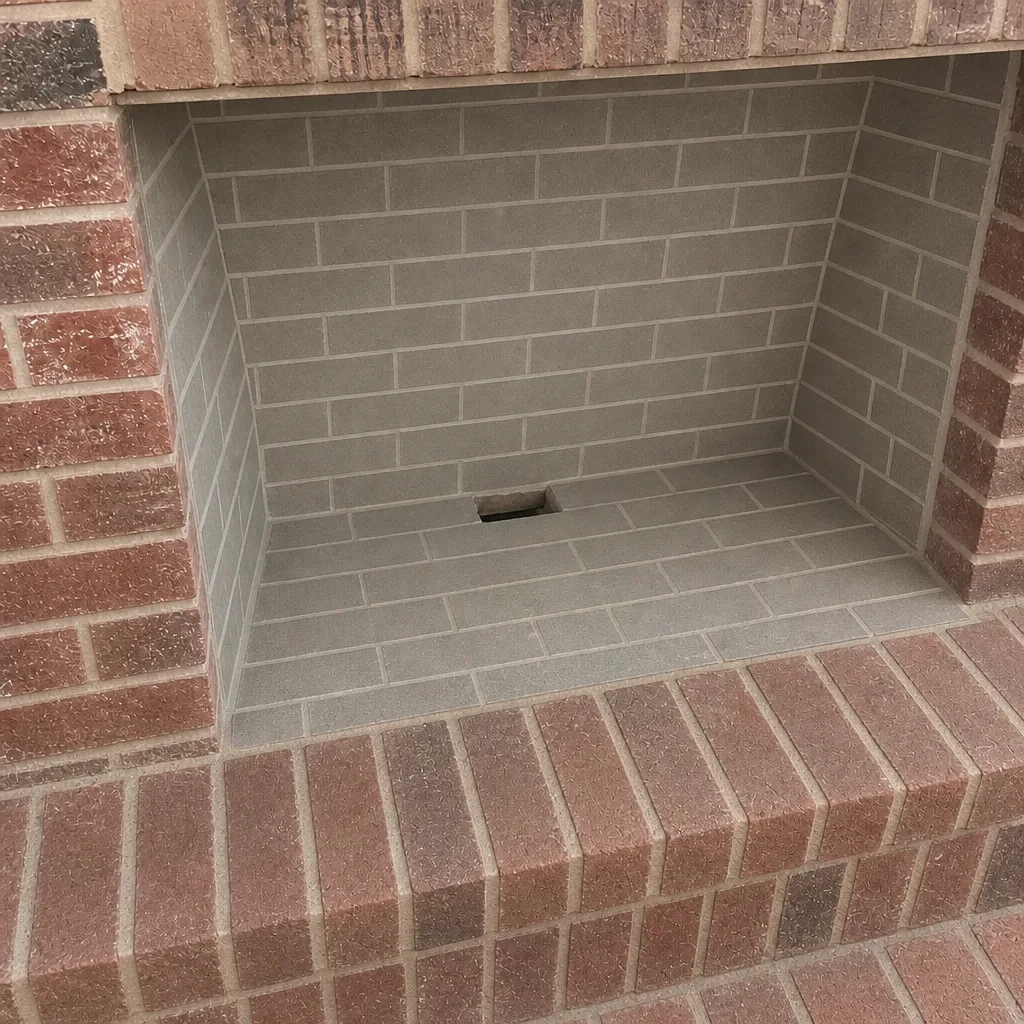
See the difference
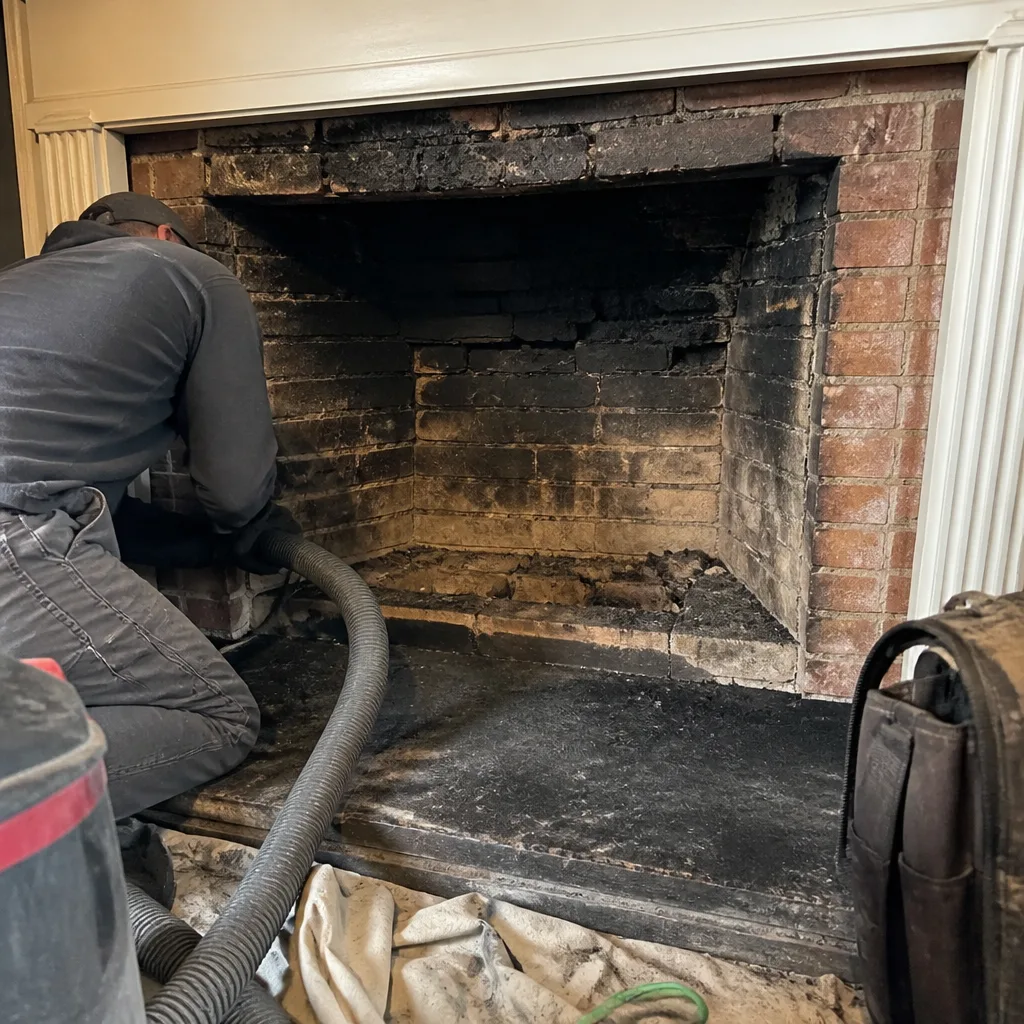 Before
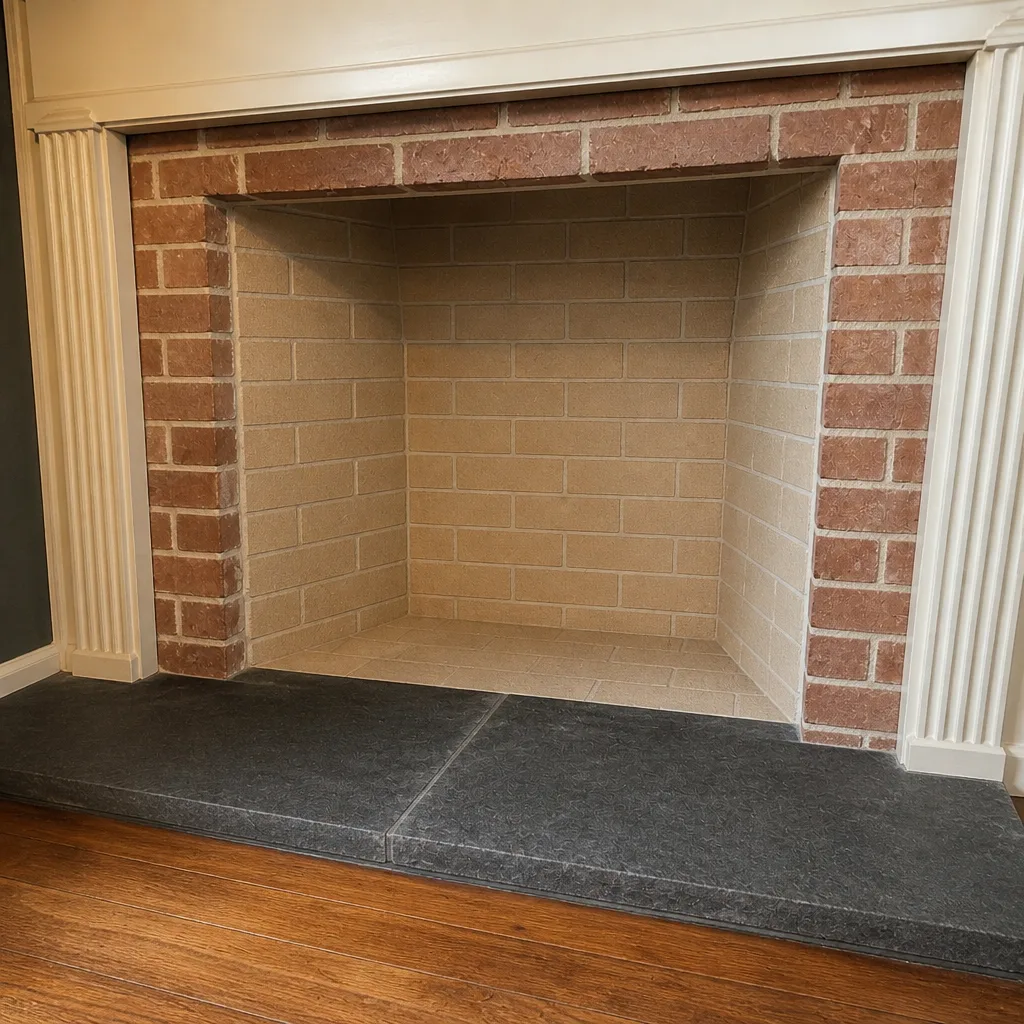 After
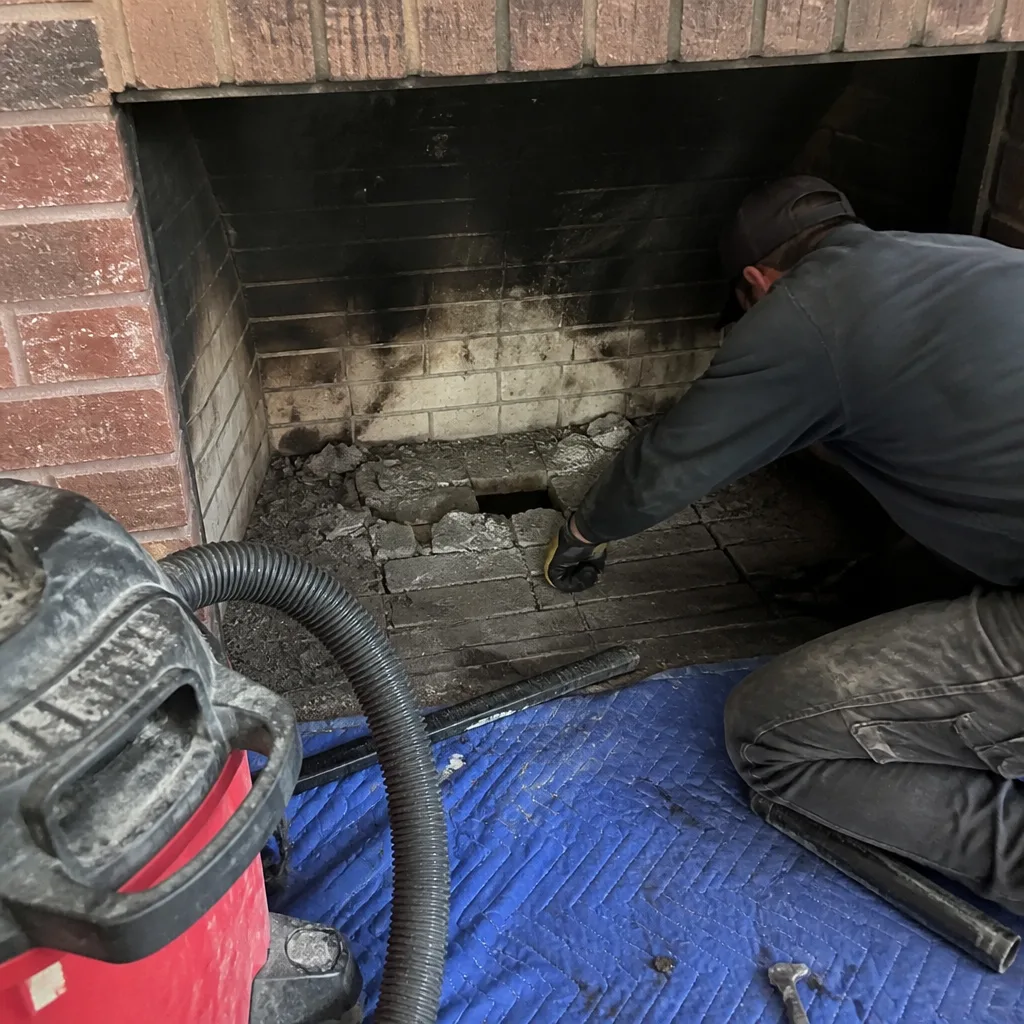 Before
 After
 Before
 After
Common Mistakes to Avoid
- Skipping the sweep because the fireplace looks clean. The firebox is the part you can see. The creosote is on the flue, and that’s the part that burns. Bountiful’s long heating season builds creosote faster than a short one, and a clean-looking firebox tells you nothing about the flue.
- Burning wet or unseasoned wood to “use it up.” Wet wood is the most common cause of rapid creosote buildup. If you’re not sure your wood is dry, split a piece and check. Burning it anyway is a decision to add fuel to the flue.
- Assuming a small fire is a safe fire. A quiet chimney fire can cause damage that a loud one doesn’t. Any chimney fire, loud or quiet, warrants an inspection before the chimney is used again.
- Replacing a cap with a hardware-store cover. A cap that doesn’t fit properly or doesn’t vent right can trap smoke or fail under wind. We install caps from professional-grade lines like Copperfield and Famco for a reason: they’re built for the job.
- Closing the damper and assuming the fire is out. A closed damper limits air, it doesn’t extinguish a fire. A flue fire can smolder and reignite.
- Putting off the inspection because the season already started. Bountiful’s first cold snap is not a deadline, but it’s a reminder. A chimney with a question mark over it shouldn’t be used until someone qualified has looked at it.
- Letting one contractor sweep and another repair. When the sweep sees something the repair crew needs to know about, that hand-off is where information gets lost. The company that sweeps the chimney should be the one that can inspect, repair, and cap it, so nothing falls between the cracks.
When to Call a Professional
Not every chimney problem is an emergency, but some are. Call us if you’ve had a chimney fire, even a small one, because an inspection is needed before the chimney is used again. Call if you smell creosote or smoke in the house when the fireplace isn’t lit. Call if the fire burns poorly, smokes into the room, or struggles to stay lit. Call if you’ve moved into a Bountiful home and don’t know when the chimney was last swept or inspected. Call if you see damage to the cap, crown, or firebox, or if you’ve noticed water in the firebox after rain. And call if you simply want to know the chimney is safe to burn before the season, which is a standalone inspection we offer as a service.
Our team can handle sweeping, inspection, fireplace repair, chimney repair, and cap-and-crown work in one place, so a flagged problem doesn’t turn into a hunt for a second contractor. Chimney Sweep Bountiful offers free estimates in Bountiful. Call (833) 482-6554.
Frequently Asked Questions
Once a year during the heating season is the standard, and for homes in Bountiful that burn wood through the winter, an annual sweep is the safest baseline. A chimney that gets heavy use, burns wet wood, or shows glazed creosote may need it more often. The sweep schedule should follow what the inspection finds, not a fixed calendar, so a quick annual inspection keeps the timing right.
No. A chimney fire can seem to go out and still leave the liner cracked, the joints opened, or the crown damaged, and the damage isn’t visible from the firebox. Any chimney fire should be followed by a Level 2 inspection with a video scan before the chimney is used again. If you’ve had a fire, call (833) 482-6554 and we’ll schedule the inspection.
A Level 1 inspection covers what’s visible and accessible, which is what a routine annual inspection involves. A Level 2 inspection adds a video scan of the flue, which is what you need after a chimney fire, after a change in the chimney system, or when you’ve moved into a home and don’t know its history. A Level 2 is the one that finds cracked liners and hidden gaps.
If the fire is still burning, a closed damper limits the air supply and slows the fire. That’s a useful step. It does not put the fire out, and it does not replace calling 911. Close it if it’s already closed or easy to close, get everyone out, and call the fire department. Don’t open the firebox to check.
No. A chimney that survived a fire isn’t automatically safe to use, and the damage from a fire is often in the liner where you can’t see it. Use without an inspection risks a second fire or a carbon monoxide problem. Have the chimney inspected first. It’s the only way to know.
It depends on what the inspection finds. Small cracks and gaps in a masonry flue can often be repaired with HeatShield resurfacing, which extends the chimney’s life without a full replacement. Larger damage or a failed liner may call for a stainless liner like DuraFlex. The recommendation should follow the inspection, and the inspection should show you the evidence.
The Bottom Line
Emergency chimney preparedness for a Bountiful home is one continuous plan. The pre-season sweep removes the fuel that starts most chimney fires. The inspection finds the damage before the fire does. The response protocol gets everyone out and the fire department on the way in the right order. And the post-fire inspection is the step that gets you safely back to burning. None of it is complicated, and all of it is cheaper than the alternative. Our technicians have up to 15 years of experience, we use professional-grade products like Famco, Copperfield, DuraFlex, and HeatShield, and we handle every part of the chimney so you don’t need to call a second contractor.
If you’re ready to get your chimney ready, visit Chimney Sweep Bountiful or call (833) 482-6554. We answer 24/7. Fast dispatch from 7am to 7pm, Sunday through Friday. Estimates are free, and the written estimate sets the final price.
Written by the team at Chimney Sweep Bountiful.