
Last updated November 24, 2026
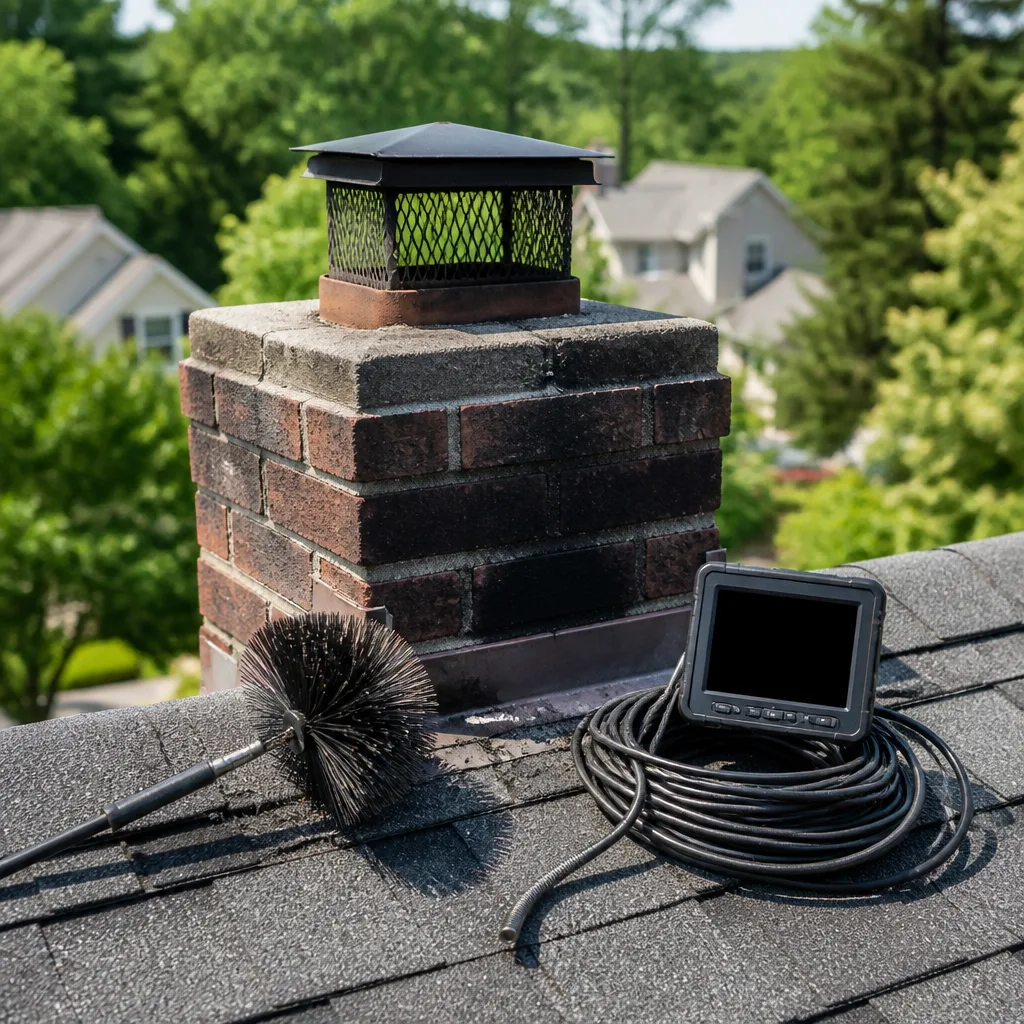 Sweep & inspection
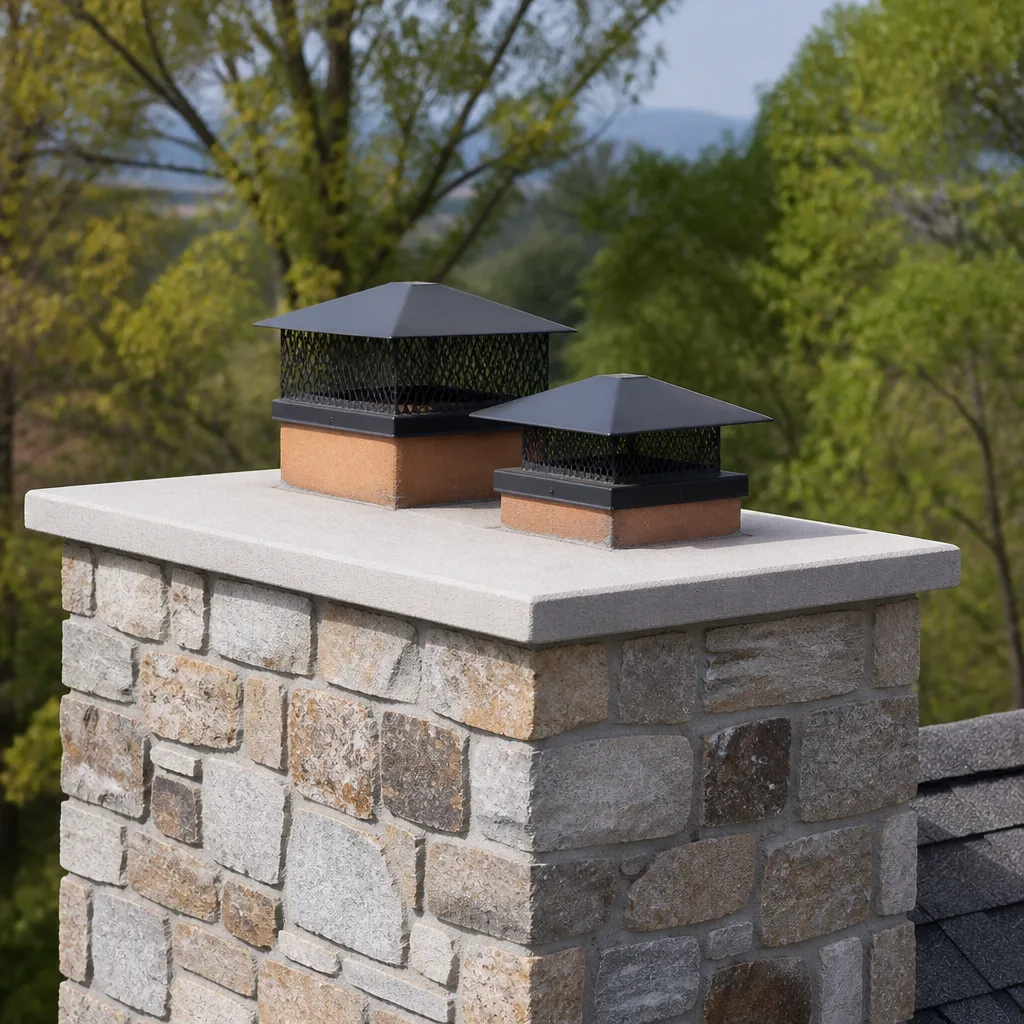 Caps & crowns
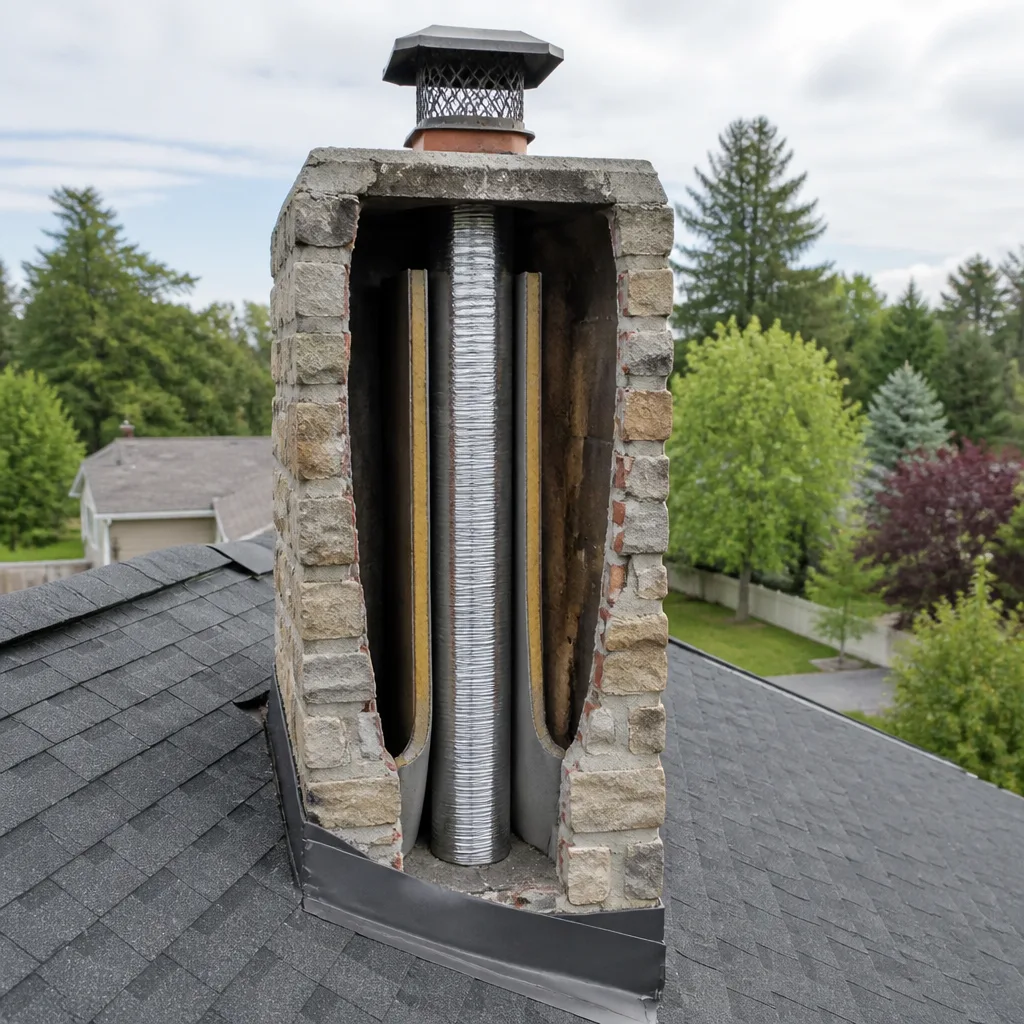 Flue relining
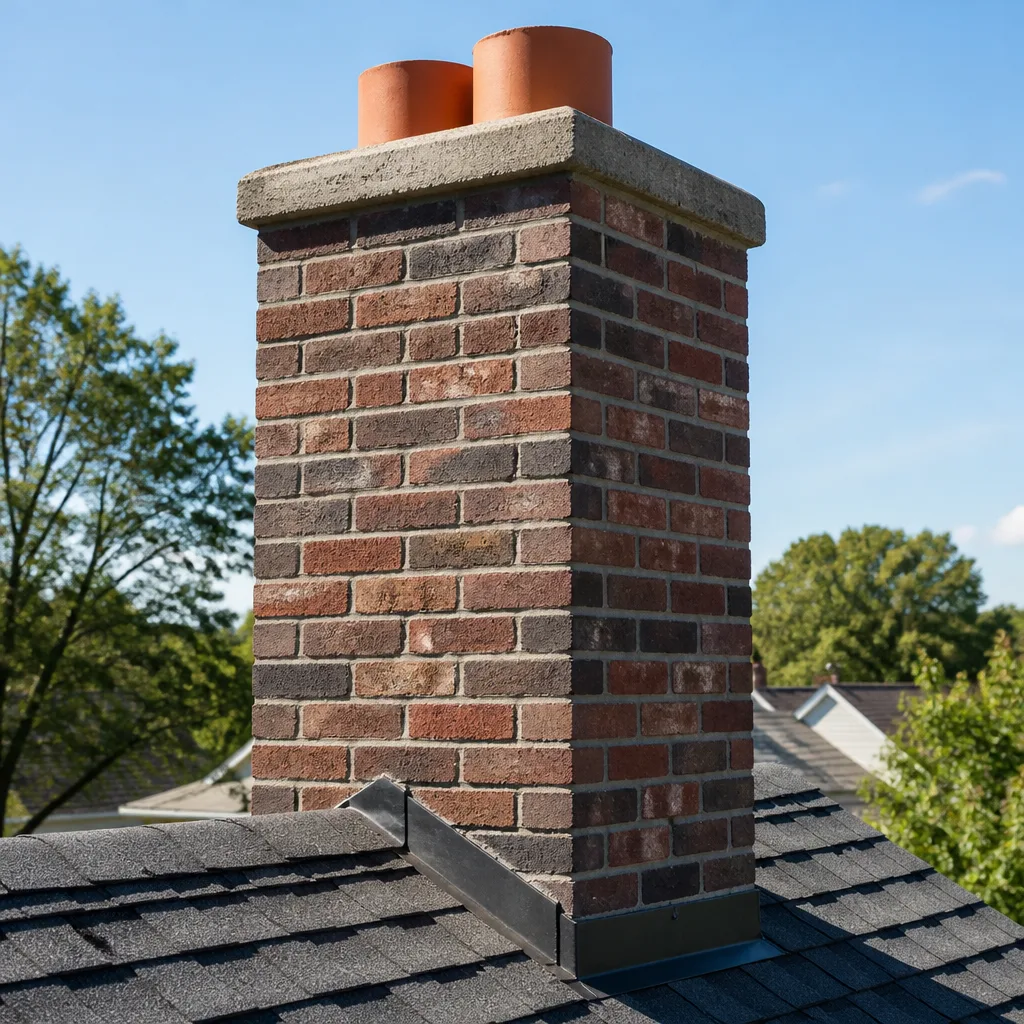 Masonry repair
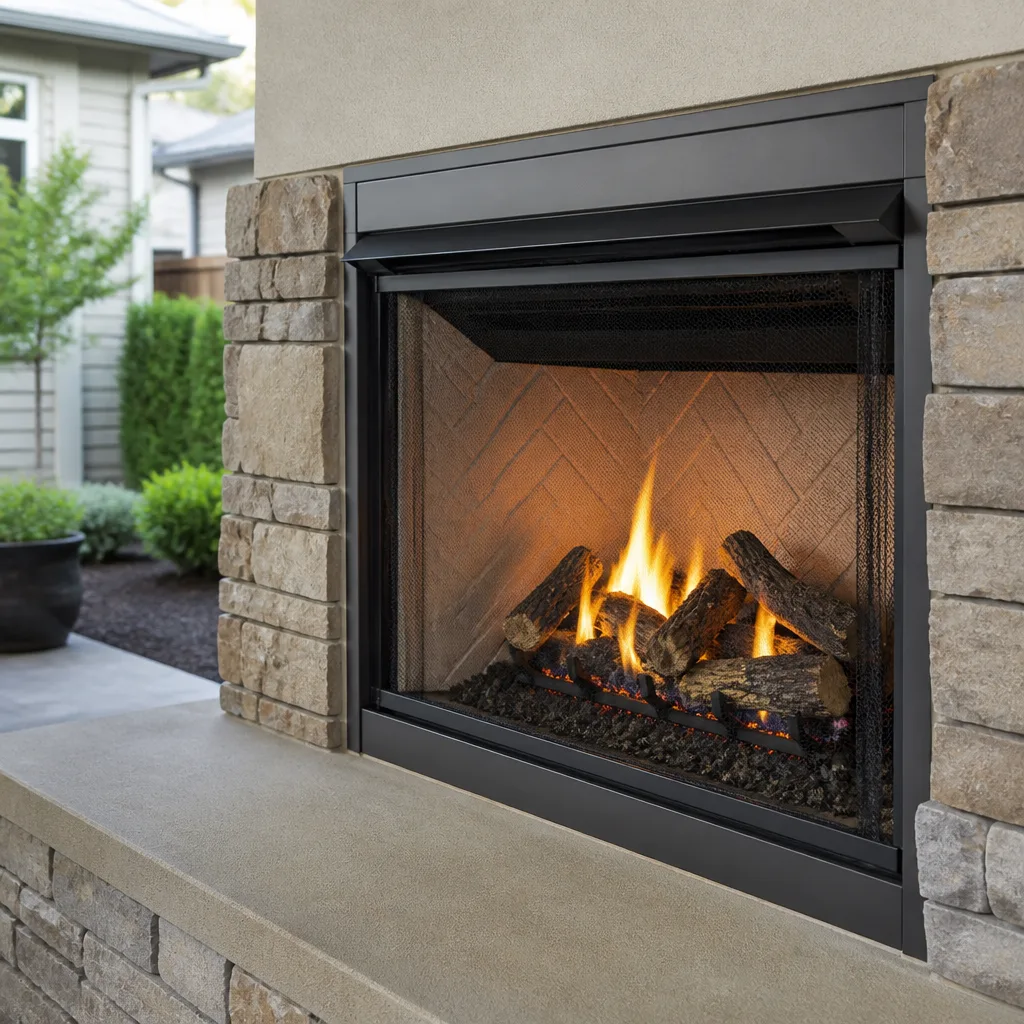 Gas fireplace service
Level 1 sweep and inspection to the NFPA 211 annual standard - flue, crown, cap, and flashing checked and photographed
Chimney sweep logs do not sweep chimneys. They loosen some creosote - which then falls where a brush and vacuum still have to collect it.
How to Hire a Chimney Cleaning Contractor in Bountiful: A Step-by-Step Guide
Here’s the part of chimney work most homeowners never hear: Utah has no state-mandated chimney sweep license. That means anyone with a brush and a truck can legally clean your chimney, hand you a certificate of cleaning, and disappear. The certificate itself proves nothing about the person who wrote it. So the vetting burden falls where it probably already feels like it’s landing on everything else in homeownership: you. This guide gives you the specific questions, credentials, and warning signs that separate a qualified chimney professional from an opportunist – plus how the job actually works in Bountiful’s climate. You’ll learn what to ask before you book, how to read an estimate line by line, and the one contract clause you need in writing before any structural repair gets authorized.
Quick Answer
To hire a chimney cleaning contractor in Bountiful, verify current certification (CSIA or equivalent) directly through the certifying body, confirm the company does full-service work rather than sweeping alone, ask five specific pre-quote questions about inspection scope and repair capability, get a written estimate with line items you can match to your chimney’s parts, and require written authorization before any structural repair. The lowest bid is usually lower because of what it leaves out, not because it’s more efficient. Chimney Sweep Bountiful offers free estimates, and you can reach us at (833) 482-6554.
Styles & brands we work with
- Sweep & inspection
- Caps & crowns
- Flue relining
- Masonry repair
- Gas fireplace service
Table of Contents
- Why Hiring in Bountiful Is Harder Than It Looks
- What CSIA Certification Actually Verifies
- The Five Questions to Ask Before You Ever Get a Quote
- Why the Lowest Bid Usually Means an Incomplete Inspection
- How to Read a Chimney Cleaning Estimate Line by Line
- The Contract Clause You Need Before Any Structural Repair
- How Bountiful’s Climate and Housing Shape the Job
- Full-Service Versus Sweep-Only: Why It Matters
Why Hiring in Bountiful Is Harder Than It Looks
Most states that regulate chimney sweeps do it through a licensing board or a contractor classification. Utah doesn’t run a dedicated chimney sweep licensing program, so a contractor’s legal right to clean your chimney comes from general business registration, not from demonstrated trade competence. That’s not a knock on the trade. It’s a fact about the regulatory landscape, and it means the credential that matters is voluntary certification, not a state card.
What fills the gap is third-party certification. The Chimney Safety Institute of America (CSIA) runs the certification program most of the trade recognizes, and it’s the credential Bountiful homeowners should be checking. Certification requires passing an exam, and it has to be renewed. That renewal piece is important: a technician who certified once and let it lapse looks the same on a business card as one who’s current, unless you verify.
Bountiful adds another layer of complexity. The city sits between the Great Salt Lake and the Wasatch foothills, and the housing stock runs from mid-century brick ranches to newer construction with factory-built fireplaces. Those two systems need different tools and different knowledge. A sweep who only handles masonry flues may not be equipped for a metal chimney, and vice versa. A contractor who can’t tell you which type you have before the appointment is a contractor who hasn’t asked.
Here’s why this matters practically. The full-service approach – inspection, cleaning, repair, and cap or crown work handled by one company – is what makes a chimney relationship work. When you hire piecemeal, one contractor’s report becomes the next contractor’s sales pitch. One company, every chimney service, eliminates the hand-off problem. We built our service list around that principle, and it shapes the questions below.
What CSIA Certification Actually Verifies
CSIA certification verifies that a technician has passed a written exam on chimney and venting systems, codes, and safety, and has agreed to a code of ethics. It is not a guarantee of every job outcome, and it does not replace a contractor’s business registration. What it tells you is that the person on your roof was tested on the same standards the rest of the industry works from, and that the credential is subject to renewal.
Three things certification does not tell you, and that you should confirm separately:
- Whether it’s current. Certifications have expiration dates. The CSIA maintains a searchable listing of certified professionals, and you can look up a name or company there before booking. If a contractor can’t produce a current card or company listing, treat the credential as unverified.
- Whether the person on the roof is the person certified. Companies sometimes advertise certification held by one technician while sending another. Ask who will actually be at your house, and whether that person is certified.
- Whether the company handles the full job. Certification is held by individuals. A company with one certified sweeper and no repair capability is a sweep-only outfit wearing a certification logo.
Fabricated or expired credentials are a real problem, and they’re hard to spot from the outside. A certificate of cleaning with a CSIA logo proves nothing unless you’ve verified the technician against the live listing. That takes two minutes on the certifying body’s website. Do it before you confirm an appointment, not after.
We keep our team’s training current and our work to the professional standard the certification sets. Our technicians have up to 15 years of experience, and we’ve seen what happens when a homeowner learns the credential was stale only after the bill was paid.
The Five Questions to Ask Before You Ever Get a Quote
These questions are designed to be answered before a quote is issued, because they reveal whether you’re talking to a full-service chimney company or a surface-level sweep operation. Any contractor who can’t answer them cleanly is telling you something.
- “What does the cleaning include beyond the flue?” A proper cleaning covers the firebox, smoke chamber, damper, and flue, and the contractor should describe how the work is contained so soot doesn’t migrate into your home. A one-word answer here is a warning.
- “Do you perform a camera inspection, and do I get a report?” A camera inspection is how a chimney’s actual condition gets documented – liner integrity, joints, creosote distribution. Without it, any recommendation is guesswork. Ask specifically whether a photo or video report is included.
- “What repairs can you perform in-house?” If the answer is only cleaning, you’ll be handed off to a separate contractor the moment anything is found. Ask about liner work, fireplace repair, chimney repair, and cap and crown installation. A full-service company covers all five.
- “Which materials and product lines do you work with?” Professional-grade components matter. We install and repair using product lines the trade recognizes, including DuraFlex, HeatShield, Gelco, and Olympia Chimney. A contractor who names only “whatever the supply house has” isn’t signaling trade-level material standards.
- “Can I see the written estimate before any work begins, and what sets the final price?” The estimate should be written, itemized, and provided before booking. The written estimate sets the final price; nothing should be added on the roof without your approval.
Ask these on the phone, before anyone comes out. The quality of the answers tells you more about the contractor than the price quote will. chimney sweep appointments in Bountiful are booked this way: we answer first, quote second.
Why the Lowest Bid Usually Means an Incomplete Inspection
Chimney work has a cost floor. Cleaning equipment, containment, camera gear, disposal, and trained labor all cost money, and a bid that lands well below the others has to cut something. In our experience, the cut is almost never efficiency. It’s scope.
Specifically, low bids tend to drop these line items:
- Camera inspection. The most common omission. Sweeping without a camera is cleaning without knowing. You get a clean flue and no information about the liner.
- Smoke chamber and damper work. Easy to skip because they’re above the firebox and out of sight. They’re also where creosote accumulates heavily.
- Containment. A proper job keeps soot out of your home with drop cloths and a vacuum rated for the work. A cheap bid often skips the setup.
- Written report. Documentation costs time. A verbal “looks fine” is free to produce and worthless if you sell the house or need to prove condition to an insurer.
- Cap and crown check. The two most common causes of water damage to a chimney are a missing or failed cap and a cracked crown. A low bid often never looks up at them.
The risk here isn’t just wasted money. A creosote-heavy flue that gets swept but not inspected hides the very condition that causes a chimney fire. Skipping the inspection isn’t a discount, it’s a deferral of the job that would actually protect the home.
The honest version of this: a written estimate from a full-service company may be higher than the lowest bid you receive, and it will still be the better deal. We always inspect first and recommend second, and we’ll tell you plainly when work can wait.
How to Read a Chimney Cleaning Estimate Line by Line
A chimney cleaning estimate should read like a parts-and-labor list, not a single number. When you can match each line to something on your chimney, you can spot what’s missing. Here’s what a complete estimate covers and what a missing line usually means.
- Inspection line. Includes a camera check and a written report. Missing means you’re buying a sweep with no condition record. Ask for the report in writing – it should be yours to keep.
- Sweep line. Covers firebox, smoke chamber, damper, and flue, with containment described. Missing scope detail means the contractor can define “cleaning” however they like when they arrive.
- Liner condition line. States what was found and whether it’s within service range. Missing means no one looked.
- Cap and crown line. Notes condition and whether repair is needed now or later. Missing means the water-intrusion risk wasn’t assessed.
- Repair line (if needed). Itemized with materials named. Vague “miscellaneous repairs” is a red flag; structural work should name the components and method.
- Authorized total. The written estimate sets the final price. If the number on the invoice differs, you should have authorized the difference in writing first.
Missing line items mean missing information, which means recommendations rest on less than they should. An estimate that lists inspection, sweep, liner condition, and cap condition is the baseline. Anything less is a conversation, not a quote.
We provide a written, flat-price estimate agreed before booking, and the camera inspection report is included and yours to keep. When repairs are warranted, we use professional-grade materials – HeatShield for ceramic flue resurfacing, DuraFlex liners, Gelco, and Olympia Chimney components – so the line items name real products, not generic allowances. If you want to understand how a sweep fits into the broader picture, our Chimney Sweep Bountiful page covers the service in detail.
The Contract Clause You Need Before Any Structural Repair
Before you authorize any structural repair – liner replacement, crown reconstruction, masonry work – the contract needs a written authorization clause. In plain terms, it should state that no repair beyond the originally agreed scope will be performed without your written approval of a specific line-item change, including the price. Get it before work starts, not after someone finds “something” on the roof.
Why this matters: structural repairs are where estimates drift most. A sweep finds a deteriorated liner and recommends replacement. The recommendation may be correct. But without a written authorization clause, the price and scope can expand between the estimate and the invoice, and you’re left trying to verify work you didn’t approve.
Pair that clause with two others:
- A documentation clause. The camera inspection report and photos should be provided to you, in writing, before any repair is authorized. There’s no way to verify a recommendation without seeing the evidence.
- A scope-of-work clause. The contract should name the materials and the method – for example, a ceramic flue resurfacing using HeatShield versus a full liner replacement with DuraFlex – and state which is being performed.
The reason to insist on this isn’t that contractors are dishonest. It’s that chimney work happens out of sight, and the honest answer to “do I really need this?” is “only if the evidence says so.” Inspect first, recommend second is the process that puts that evidence in front of you. If a contractor resists putting these clauses in writing, that’s your answer.
How Bountiful’s Climate and Housing Shape the Job
Bountiful’s climate matters for your chimney in ways that a generic guide won’t cover. The city sits at the base of the Wasatch foothills, and its winters bring freeze-thaw cycles: daytime thawing, nighttime refreezing, repeated through the heating season. That cycle is hard on masonry. Water works into small cracks in the crown and the brick, expands when it freezes, and widens the crack. Over a few seasons, a hairline crown crack becomes a real one.
What that means for hiring a sweep in Bountiful:
- Crown and cap condition should be on every estimate. In a freeze-thaw climate, the crown and cap are the first line of defense against water intrusion. A contractor who doesn’t assess them on the initial visit is skipping the preventive angle the climate demands.
- Water damage shows up in the liner as well as the masonry. A flue that takes on water can develop cracked or spalled liner tiles. That’s why the camera inspection is the anchor of the job, not an upsell.
- Burning season timing matters here. The urgency in Bountiful is seasonal – before the first cold snap and the long burn ahead – not hourly. Book a sweep before burning season, not after a problem shows up.
The housing stock adds variation. Older brick ranches with masonry fireplaces need a different set of checks than newer homes with factory-built systems, which have their own liner and venting requirements. A contractor who can work across both types is a better bet than one who specializes in only one. If you’re not sure which type you have, that’s the first thing the inspection will establish.
For repairs, our approach depends on what the camera shows. Liner damage that’s localized can sometimes be addressed with ceramic flue resurfacing rather than a full liner replacement – a cost-conscious option, and one that extends the chimney’s life without tearing out the whole system. chimney repair in Bountiful often starts with that kind of evidence-led assessment.
Full-Service Versus Sweep-Only: Why It Matters
Most chimney companies fall into one of two categories: sweep-only operations that clean and refer, or repair-focused contractors that clean as a loss leader. Both create the same problem for the homeowner – a hand-off. Sweep-only outfits find the problem and can’t fix it. Repair-focused crews may under-report cleaning work to get to the repair job they prefer.
A full-service chimney company covers the lifecycle: inspection, cleaning, fireplace repair, chimney repair, and cap and crown installation. That’s the model that avoids the hand-off. It also means the person inspecting your chimney has an incentive to find the whole truth, because they can act on it. Inspect first, recommend second only works when the same company can do the work.
Two practical points to check when evaluating a company’s “full-service” claim:
- Is inspection available as a standalone service? Some companies only inspect if you also buy a sweep, or only sweep if you also buy a repair. A standalone inspection – with a written condition report – is the unbiased starting point for any decision, including buying or selling a home.
- Does the company stock and install branded materials? Installing from a curated lineup – DuraFlex liners, HeatShield for flue resurfacing, Gelco and Olympia Chimney components – signals trade-level standards. Big-box substitutes are cheaper and less durable, and a full-service company shouldn’t need them.
This is where the industry-standard ceramic flue resurfacing system comes in. HeatShield is a manufacturer-recognized repair method for flue damage, and a company that offers it can address some liner issues without full replacement. A sweep-only or generalist contractor usually can’t. For fireplace-specific work, our fireplace repair page covers the details.
Common Mistakes to Avoid
- Accepting a certificate of cleaning as proof of condition. A cleaning certificate documents that the flue was swept. It doesn’t document what the camera found, and it carries no professional accountability. Ask for the inspection report instead.
- Skipping credential verification. A logo on a business card proves nothing. Check the certifying body’s listing yourself, and confirm the technician who will be at your home is the one certified.
- Booking on price alone. The lowest bid is a separate service, not a discount. In Bountiful’s freeze-thaw climate, an incomplete inspection can leave water damage and a stressed liner unaddressed.
- Hiring a sweep-only contractor for a repair you already know is coming. If the crown is cracked or a liner is compromised, a sweep-only outfit hands you off to a second contractor. One company, every chimney service, heading off the hand-off.
- Authorizing a structural repair without written scope and price. The contract clause matters before the work, not after. Written authorization of any change in scope is what keeps the final price honest.
- Skipping the cap and crown check. These are the two most common causes of water intrusion damage, and they’re easy to forget if the contractor’s focus is only the flue.
- Waiting until the first cold snap. Chimney work in Bountiful is seasonal. Booking before burning season is what lets you address what the inspection finds without rushing the decision. Urgency is seasonal here, not hourly.
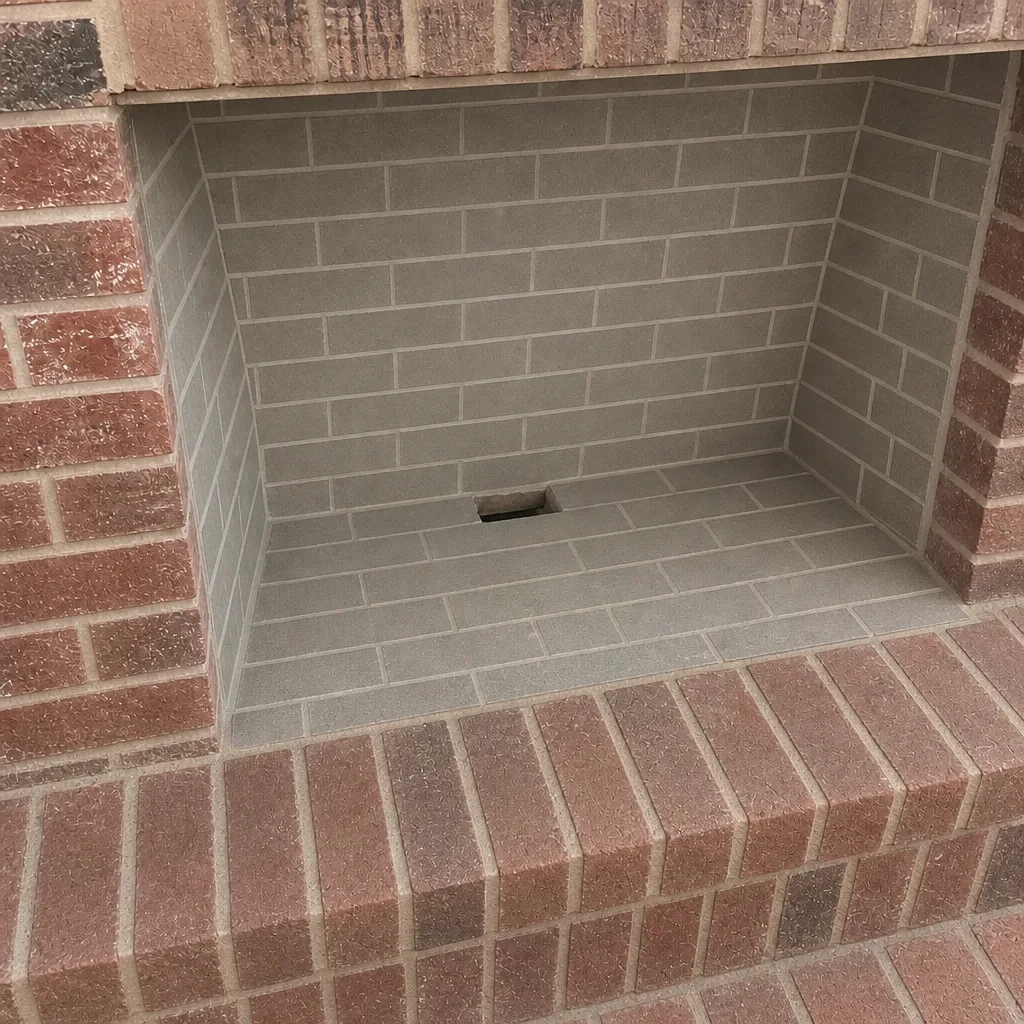
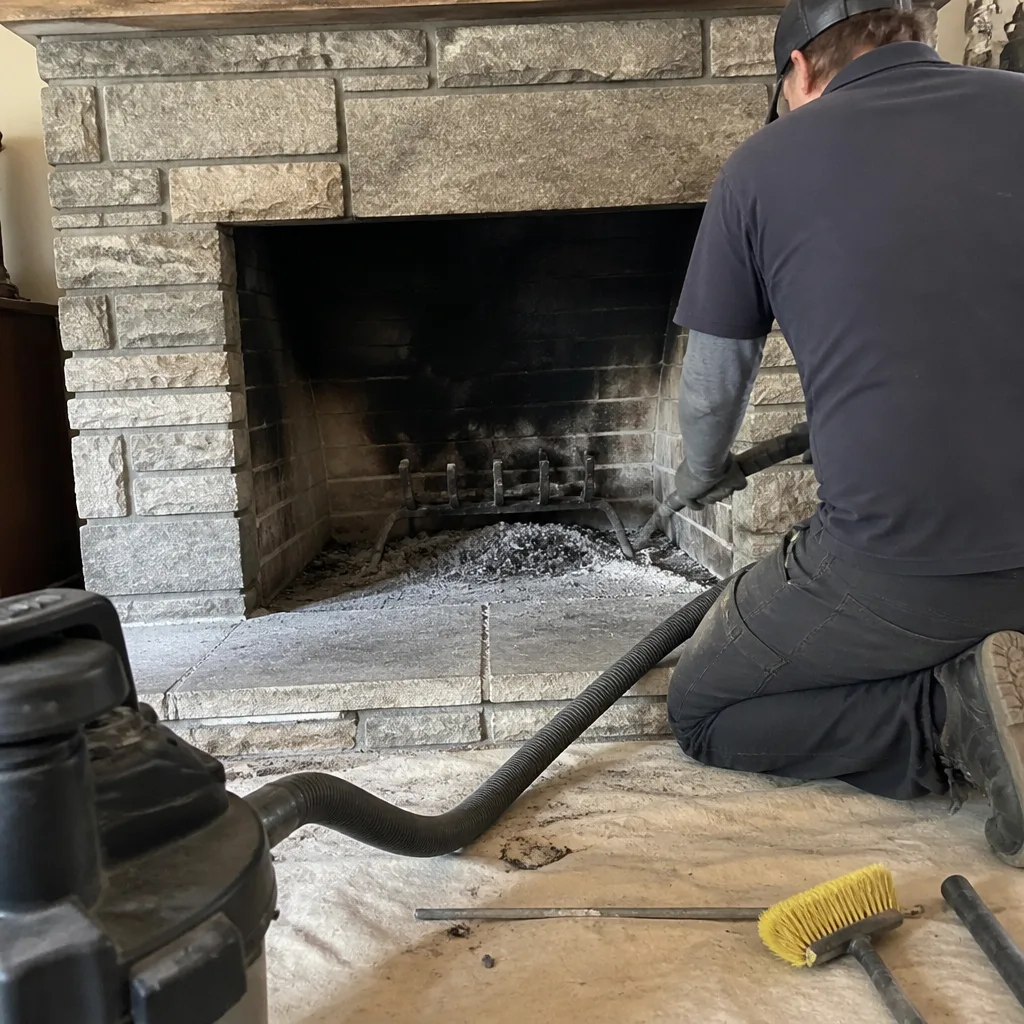
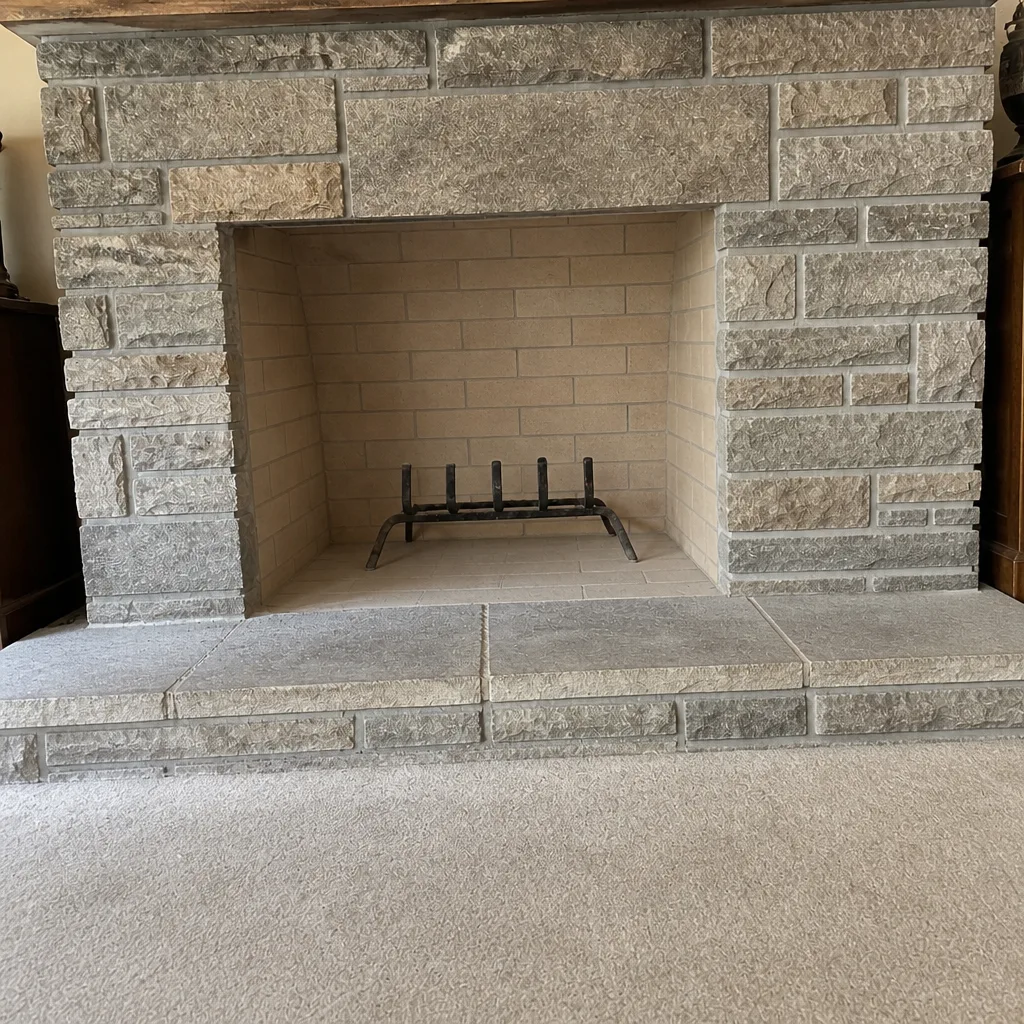
See the difference
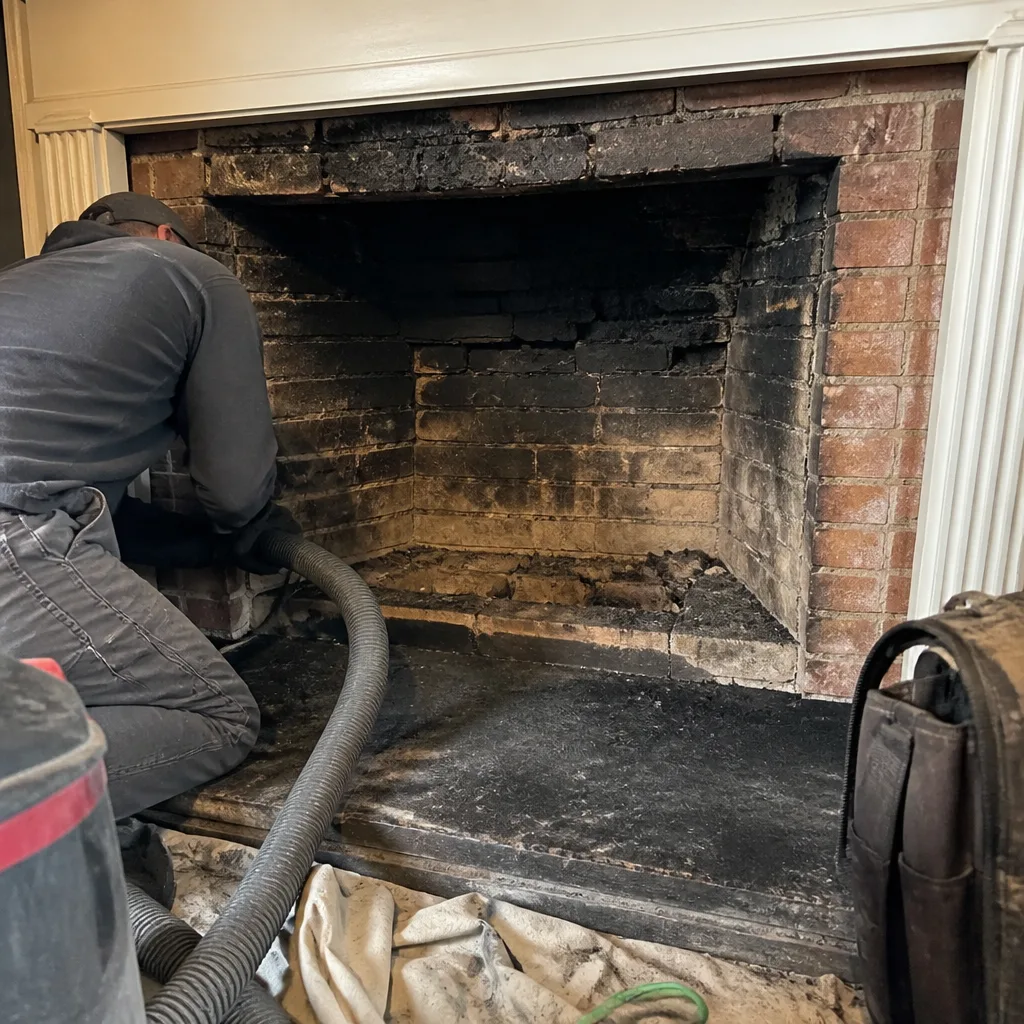 Before
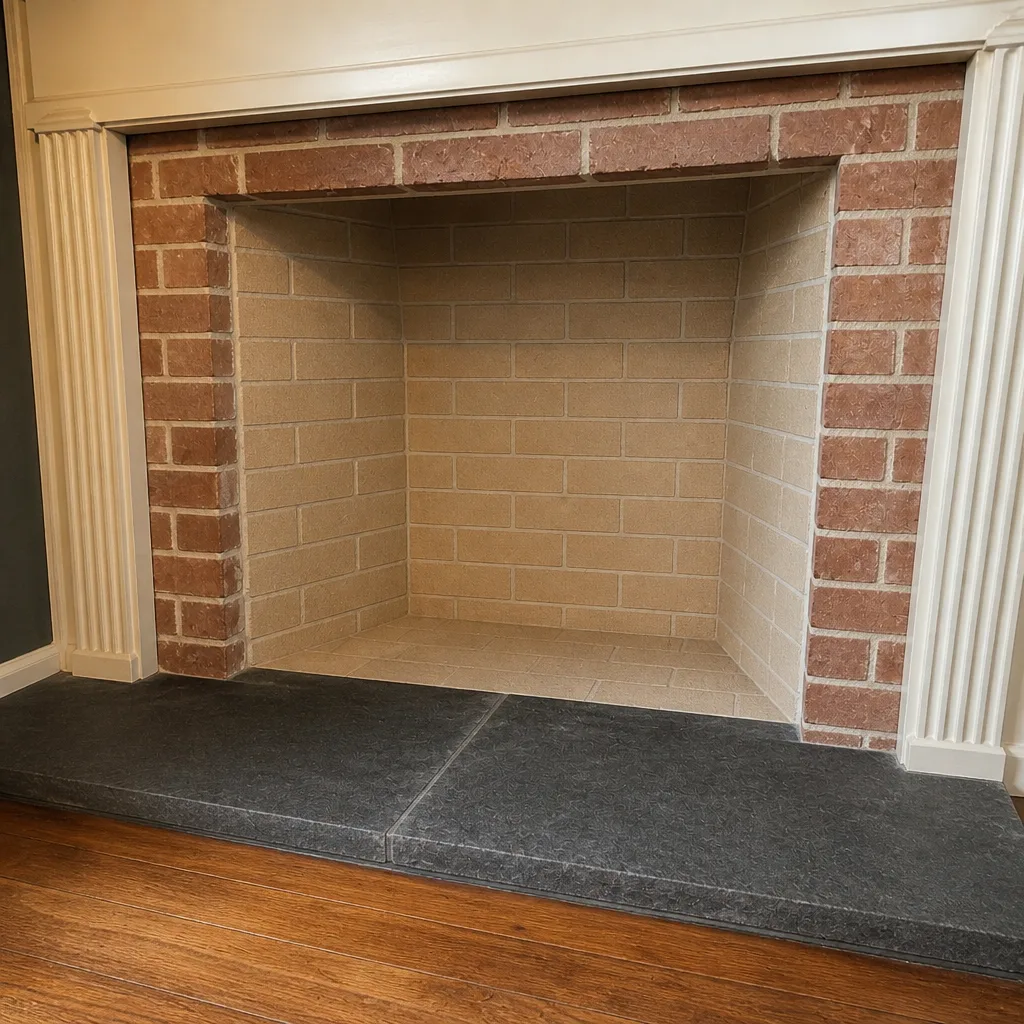 After
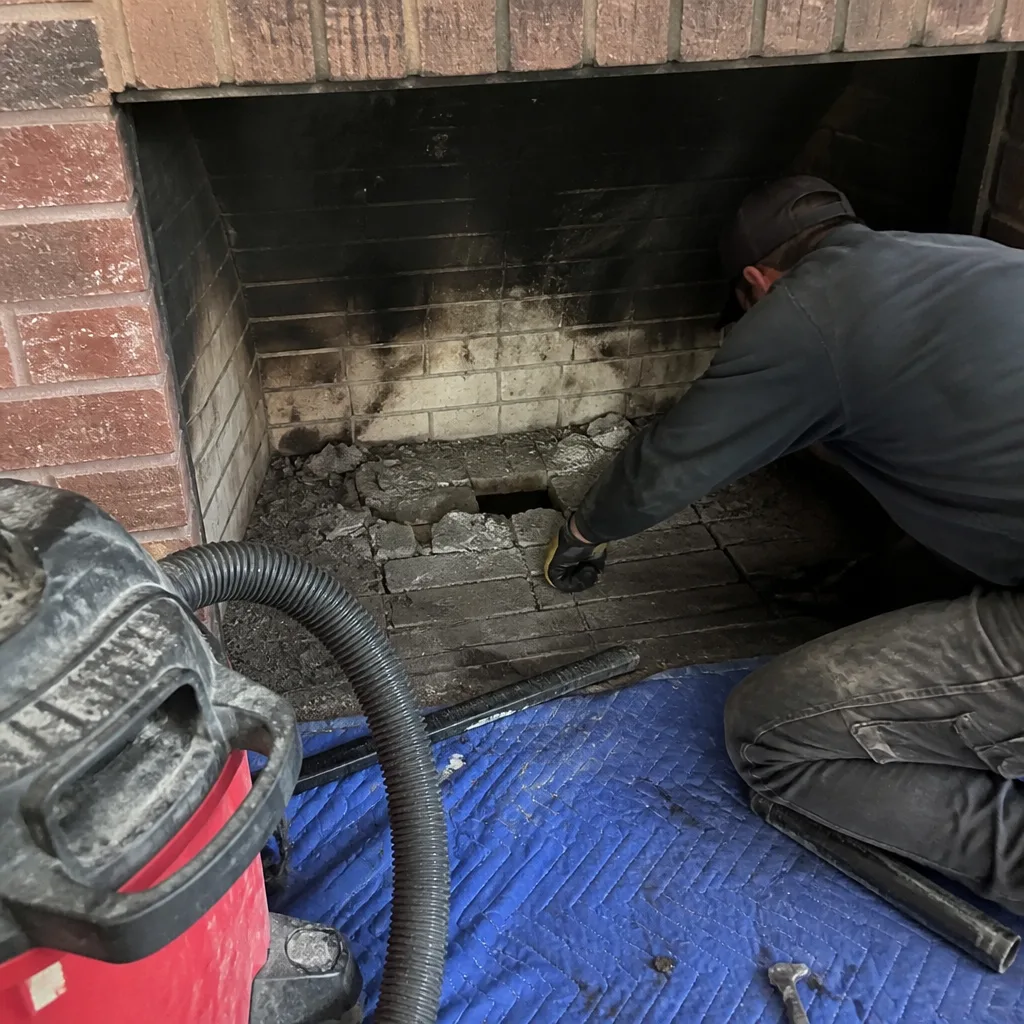 Before
 After
 Before
 After
When to Call a Professional
Some chimney work is routine and some is an appointment you shouldn’t postpone. Call a professional if you’ve recently bought a home and don’t have a documented inspection history for the chimney; if it’s been more than a year since the last sweep; if you notice a strong odor when the fireplace isn’t in use; if you see cracked masonry, loose crown material, or a missing cap; if the damper won’t close cleanly; or if you’re considering any structural repair and want a written condition report first. If your fireplace has ever had a chimney fire, or if you smell gas near a gas fireplace, treat it as urgent and have it inspected before burning again. Most of these are quick to check and easy to fix when caught early, and the freeze-thaw cycle in Bountiful means the window for repair before winter is worth respecting.
Chimney Sweep Bountiful offers free estimates in Bountiful – call (833) 482-6554. We answer 24/7, and fast dispatch runs from 7am to 7pm, Sunday through Friday. The written estimate sets the final price, and the camera inspection report is yours to keep so you can verify every recommendation before deciding.
Frequently Asked Questions
Typical chimney sweep pricing in the Bountiful market depends on the flue type, whether a camera inspection is included, and whether any repair is warranted. Because the final price is set per job by the written estimate, the number that matters is the itemized quote you receive after the inspection, not a ballpark. Ask for a written estimate agreed before booking, and confirm that inspection and a photo or video report are included. Call (833) 482-6554 for an exact quote – estimates are free.
Not necessarily – and the only honest way to know is a camera inspection that documents the liner’s actual condition. A compromised liner can be a genuine fire hazard, but localized damage is sometimes addressed with ceramic flue resurfacing rather than a full replacement. Never take “you need a new liner” as a verbal verdict. Ask to see the photos, ask which repair method is being proposed, and insist on written scope and price before authorizing anything. Call (833) 482-6554 to book a standalone inspection.
A general rule is once a year when the fireplace is in regular use, and more often if you burn heavily or burn wood that produces a lot of creosote. In Bountiful’s climate, the practical version is to have it swept before burning season, so the inspection findings can be addressed before winter. A sweep isn’t a substitute for an inspection – one cleans, the other documents condition. Call (833) 482-6554 to schedule before the cold sets in.
Creosote accumulates in the flue, and in the worst case it can ignite – a chimney fire is a genuine risk, not a scare tactic. Skipping the sweep also means skipping the inspection, so a cracked crown, a failing cap, or a deteriorating liner can go unnoticed until the damage is more expensive to fix. The freeze-thaw cycle in Bountiful makes that water damage more likely, not less. Call (833) 482-6554 and get on the schedule before burning season.
Utah does not run a dedicated statewide chimney sweep license, which means the credential to look for is voluntary third-party certification – most commonly CSIA certification. Verify it directly through the certifying body’s current listing rather than accepting a business card or logo at face value. And confirm that the technician arriving at your Bountiful home is the one certified, not just the company. Call (833) 482-6554 for a free estimate.
Yes. Standalone inspections are available in Bountiful – not bundled or conditional on buying other services. That’s the right call if you’re buying or selling a home, if you want a condition report before deciding on repairs, or if you simply don’t know when the chimney was last serviced. You get a written report with photos, and our recommendations come after the inspection, not before it. Call (833) 482-6554 to book one.
The Bottom Line
Hiring a chimney cleaning contractor in Bountiful comes down to verification. Confirm certification through the certifying body, not a business card. Ask the five pre-quote questions and listen for whether the answer is full-service or surface-level. Read the estimate line by line and treat missing items as missing information. Get the written authorization clause before any structural repair, and insist on camera evidence you can see for yourself. The lowest bid is a scope decision, not an efficiency one. And in a freeze-thaw climate, the cap, crown, and liner checks are the ones that prevent the expensive problems. Inspect first, recommend second – and when the evidence says work can wait, it can.
Call (833) 482-6554 for a free estimate. We answer 24/7, and fast dispatch runs from 7am to 7pm, Sunday through Friday. One company, every chimney service, from sweep to cap and crown.
Written by the team at Chimney Sweep Bountiful.